—Matt Gwinta, B1Daily
The overwhelming majority of Jamaicans speak Jamaican Patois every day, yet the country’s official institutions, legal system, schools, and government communications continue to operate primarily in Standard English. The result is a nation whose most widely spoken language remains culturally dominant but politically subordinate.
Many Jamaicans, linguists, and cultural advocates argue that it is time to change that.
Making Jamaican Patois an official national language would not merely be a symbolic gesture. It would represent a recognition of Jamaica’s unique history, cultural identity, and the linguistic creativity of a people who transformed the trauma of slavery and colonialism into one of the world’s most distinctive languages.
Jamaican Patois emerged during the colonial era as enslaved Africans from diverse ethnic and linguistic backgrounds were forced together under British rule. Unable to communicate through their native languages and often denied formal education, they developed a new language that blended English vocabulary with African grammatical structures, pronunciation patterns, and linguistic influences.
Far from being “broken English,” Patois evolved into a sophisticated language with its own rules, syntax, expressions, and cultural depth.
Historically, however, colonial authorities treated Patois as inferior. English became associated with education, power, government, and social status, while Patois was often stigmatized as the language of the poor and uneducated. This hierarchy survived long after independence, creating a situation in which many Jamaicans grew up speaking one language at home and another in formal institutions.
Supporters of official recognition argue that this linguistic divide reflects a lingering colonial mindset.
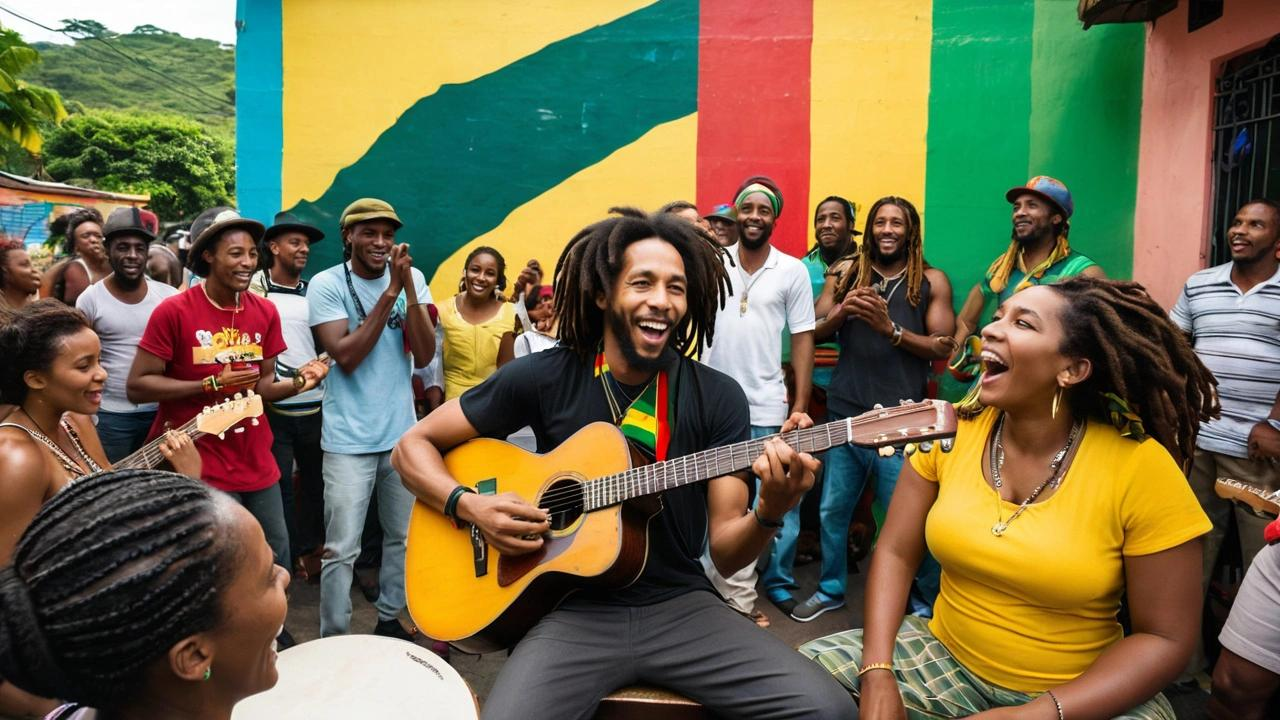
A nation that proudly celebrates figures like Bob Marley, honors the legacy of the Maroons, and embraces its African heritage should not treat its most authentic linguistic expression as a second-class language. Patois carries the rhythms, humor, worldview, and historical experiences of the Jamaican people in ways that Standard English cannot fully replicate.
The cultural influence of Patois is already global. Through reggae, dancehall, film, sports, and social media, Jamaican speech patterns have spread far beyond the island’s shores. Expressions born in Kingston can now be heard in cities from London to Toronto to New York. Millions of people recognize Jamaican Patois as one of the most influential cultural exports in the Caribbean.
Yet despite its global reach, it remains only partially recognized within its homeland.
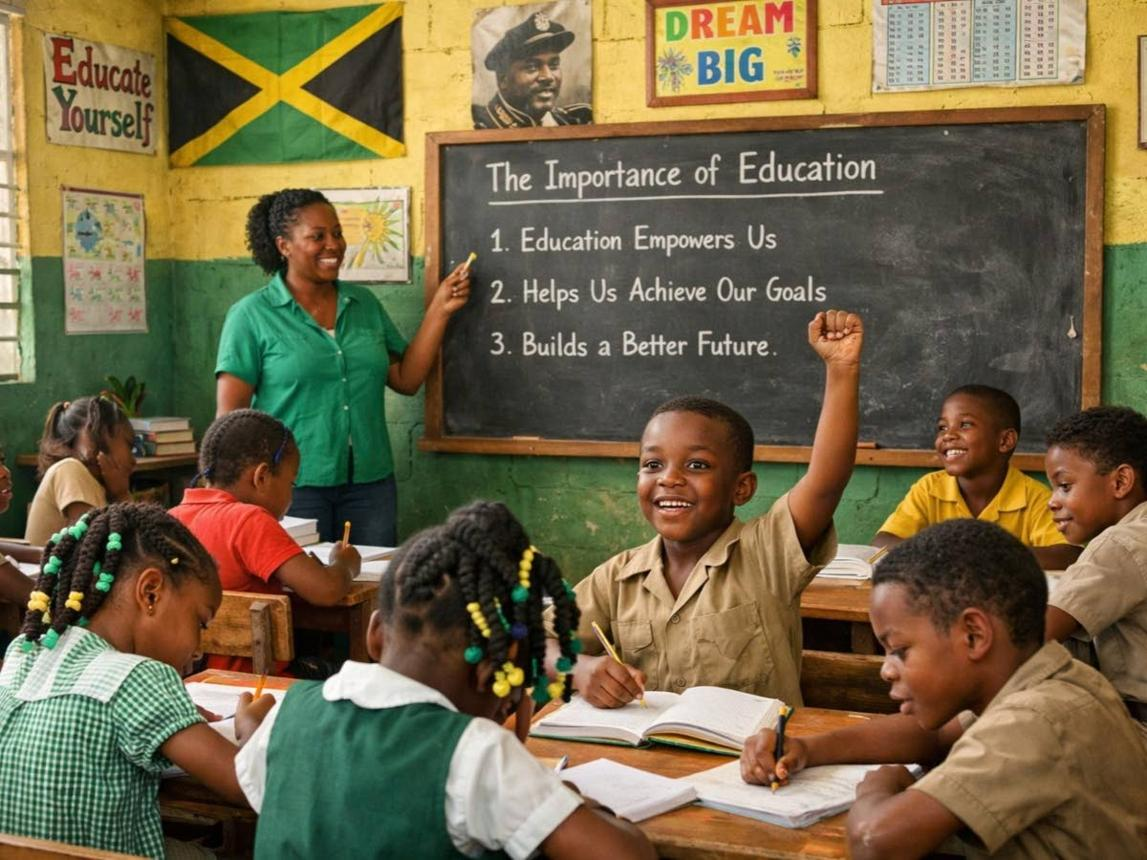
There are practical arguments as well. Educational researchers have long noted that students often learn more effectively when instruction begins in their primary language. Official recognition could support bilingual education models that use Patois as a bridge to Standard English rather than treating the two languages as competitors.
Advocates argue this approach would improve literacy, reduce educational barriers, and better reflect how most Jamaicans actually communicate.
Critics of making Patois official often raise concerns about international business, diplomacy, and tourism. English remains one of the world’s most important global languages, and many worry that reducing its prominence could create economic disadvantages.
However, official recognition does not require abandoning English. Countries around the world successfully operate with multiple official languages. Jamaica could recognize Patois while maintaining English as a key language for international communication. The choice need not be either-or.
The deeper issue is one of national identity.
Independence is not only about political sovereignty. It is also about cultural confidence. Languages carry history, memory, and collective identity. When a nation elevates its own language, it affirms the value of its own experiences and traditions.
For centuries, Jamaicans transformed hardship into creativity, producing a language that survived slavery, colonialism, and social stigma. Today, Patois is spoken by millions, celebrated around the world, and woven into the fabric of Jamaican life.
The question is no longer whether Patois is a real language. Linguists settled that debate long ago.
The question is whether Jamaica should fully embrace the language that has been speaking in its own voice all along.
—Matt Gwinta, B1Daily





Leave a comment