—Sylvester Loving, B1Daily
A troubling wave of anti-foreigner protests sweeping across South Africa is triggering an unprecedented response across the African continent, as multiple governments move to evacuate and repatriate their citizens amid growing fears of violence, intimidation, and xenophobic attacks.
What began as demonstrations targeting undocumented immigration has rapidly evolved into a regional crisis. Reports from South Africa indicate that foreign nationals have faced harassment, threats, displacement, and in some cases deadly violence as anti-immigrant groups continue organizing protests across major cities.
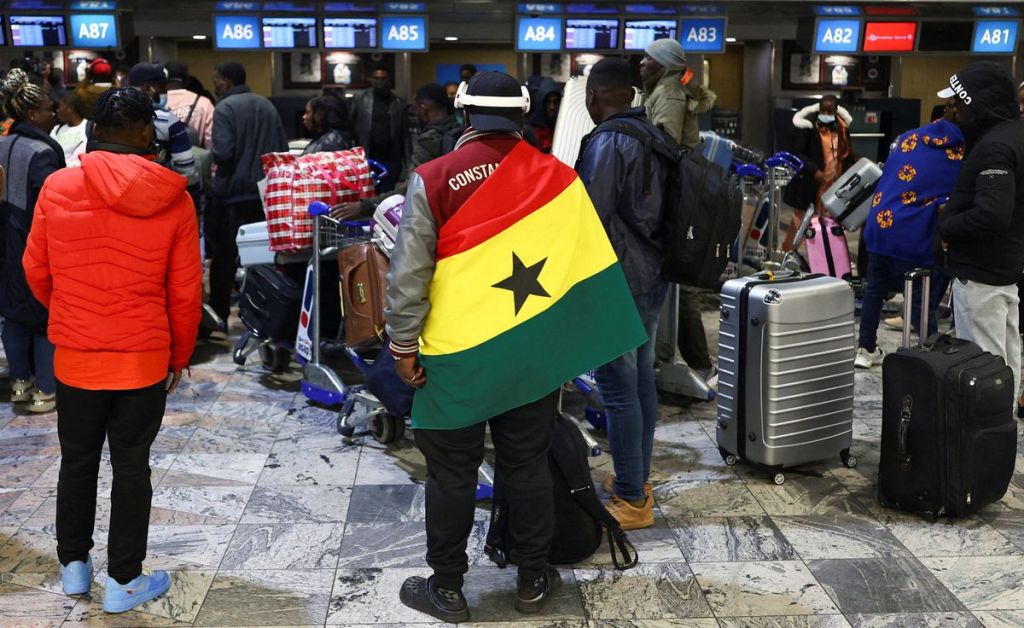
Ghana was among the first nations to act. Nearly 300 Ghanaian citizens were flown home from Johannesburg after growing concerns about their safety, with hundreds more registering for voluntary repatriation. Ghanaian officials described the operation as a necessary step to protect their nationals amid escalating tensions.
Nigeria soon followed, announcing plans to repatriate more than 130 citizens who no longer felt safe remaining in South Africa. Nigerian officials also raised concerns with South African authorities regarding the treatment of foreign nationals and called for greater protections.
Mozambique has faced perhaps the most devastating consequences. Authorities reported that at least five Mozambican citizens were killed in what officials described as xenophobic attacks linked to the unrest. Hundreds have already returned home, while hundreds more are being repatriated as the situation remains volatile.
The unrest has been fueled by claims from anti-immigration activists that undocumented migrants are contributing to crime, unemployment, and pressure on public services. However, human rights organizations argue that migrants are being scapegoated for broader economic problems and warn that vigilante-style actions are creating dangerous conditions for both documented and undocumented foreign residents.
South African President Cyril Ramaphosa has condemned xenophobia and vigilantism while simultaneously promising stronger enforcement against illegal immigration. He has urged citizens not to take the law into their own hands and stressed that migration issues must be addressed through lawful government action rather than mob pressure.
The crisis has exposed a painful contradiction. For decades, African nations stood together against apartheid and colonial oppression. Today, citizens from neighboring countries are finding themselves targeted in one of Africa’s largest economies. Critics argue that the violence undermines the very ideals of Pan-African solidarity that helped shape modern South Africa’s struggle for freedom.
As governments across the continent scramble to bring their citizens home, many observers fear that the current unrest could have long-term diplomatic and economic consequences. The repatriation flights are not just emergency evacuations. They are a visible sign that trust between African nations is being tested at a moment when regional unity is needed more than ever.
—Sylvester Loving, B1Daily






Leave a comment