—Sylvester Loving, B1Daily
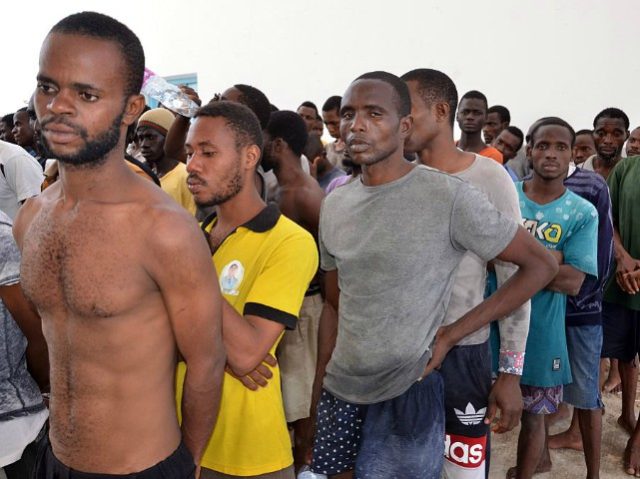
Nearly a decade after shocking images of African migrants being auctioned in Libyan slave markets sparked international condemnation, the uncomfortable truth remains: the machinery that enabled those atrocities never truly disappeared.
Instead, it evolved.
Behind Libya’s endless political turmoil, competing governments, armed militias, and fragile institutions lies one of the Mediterranean’s darkest humanitarian crises. Thousands of migrants from across Africa continue to face forced labor, extortion, sexual exploitation, torture, and conditions that human rights organizations say resemble slavery in everything but name.
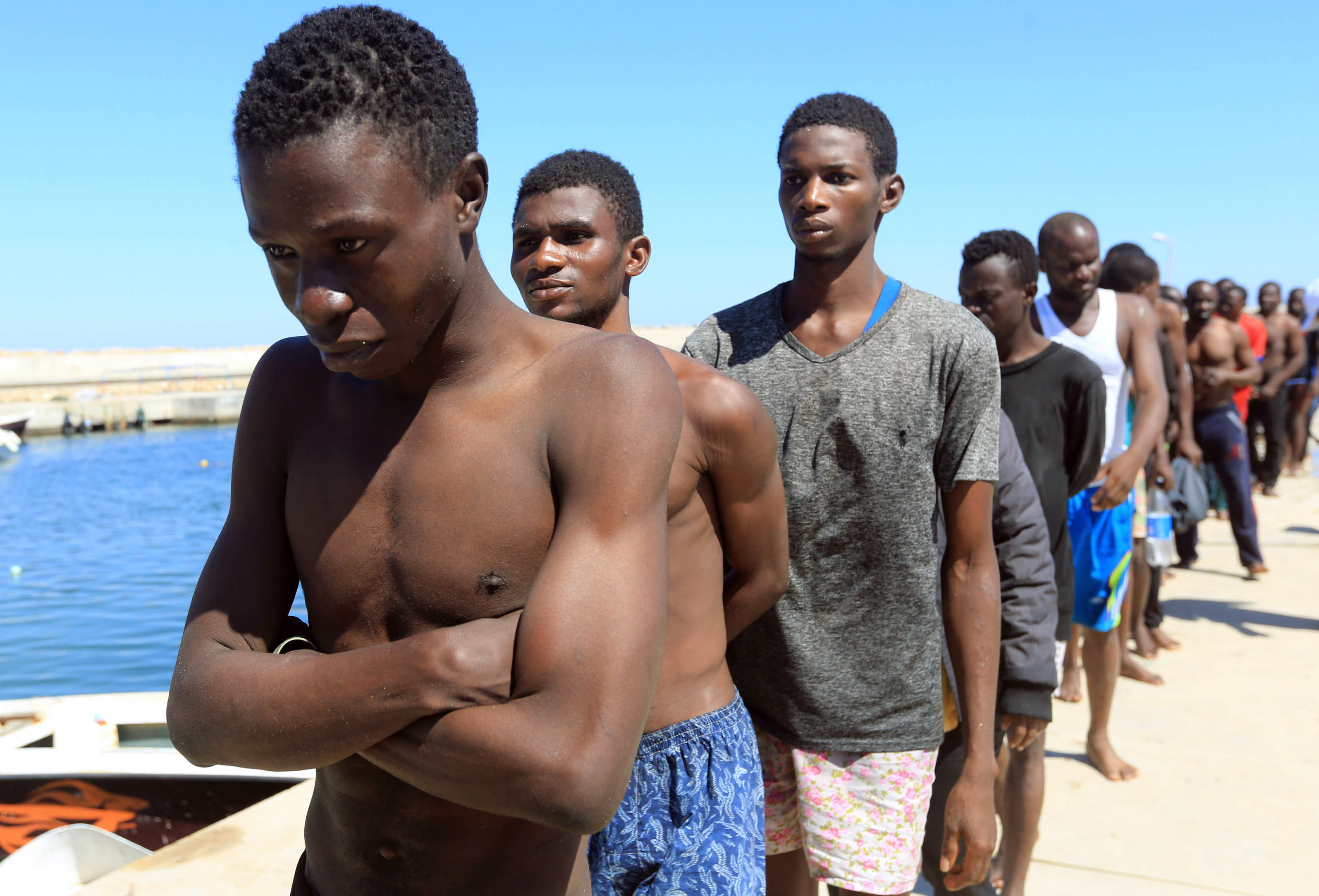
For many Africans fleeing poverty, conflict, or economic stagnation, Libya represents a gateway to Europe. What they often encounter instead is a system that treats human beings as commodities.
A Country Trapped Between Governments and Militias
Since the fall of Muammar Gaddafi in 2011, Libya has struggled to establish lasting political stability. Rival administrations, armed factions, and local militias have competed for power, creating vast regions where accountability is virtually nonexistent.
The collapse of centralized authority created fertile ground for criminal enterprises.
Human trafficking networks emerged as one of the most lucrative industries in the country. Migrants traveling through Niger, Chad, Sudan, and other neighboring nations often find themselves intercepted by smugglers, armed groups, or corrupt actors who view them not as people but as revenue streams.
The result is an underground economy worth millions of dollars annually.
The Business Model of Human Misery
The trafficking process is often brutally efficient.
Migrants pay smugglers for transportation toward the Mediterranean coast. Along the journey, many are kidnapped and sold between criminal groups. Families back home receive phone calls demanding ransom payments while victims are beaten, starved, or tortured until money arrives.
Those unable to pay face grim alternatives.
Some are forced into agricultural labor. Others work on construction sites without compensation. Women and girls frequently become targets of sexual exploitation. Men are often compelled to perform physically demanding labor under threat of violence.
Human rights investigators have documented cases in which migrants were bought, sold, and transferred between groups in transactions that bear striking similarities to historical slave markets.
The terminology may have changed. The exploitation has not.
The World Reacted. The Problem Remained.
In 2017, international outrage exploded after footage appeared to show migrants being auctioned in Libya. Governments issued condemnations. International organizations promised intervention. Diplomatic meetings were convened.
Yet the underlying conditions persisted.
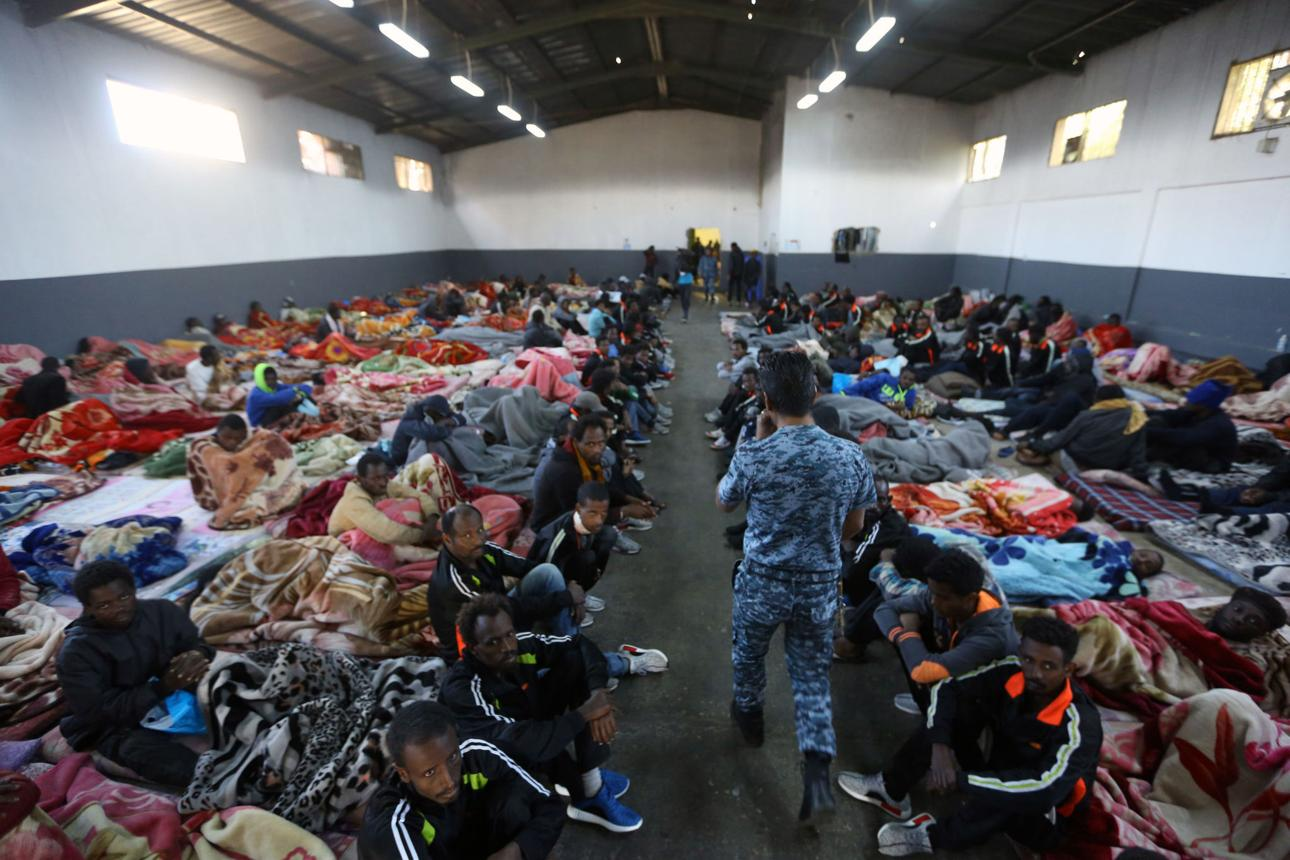
Libya’s fragmented political landscape makes enforcement extraordinarily difficult. Militias frequently exercise more control over territory than state institutions. Detention facilities operate with limited oversight. Corruption further complicates efforts to dismantle trafficking networks.
As attention shifted to other global crises, the migrant exploitation system adapted and survived.
For traffickers, instability became a business advantage.
Europe’s Uncomfortable Role
The Libyan trafficking crisis cannot be examined without discussing Europe.
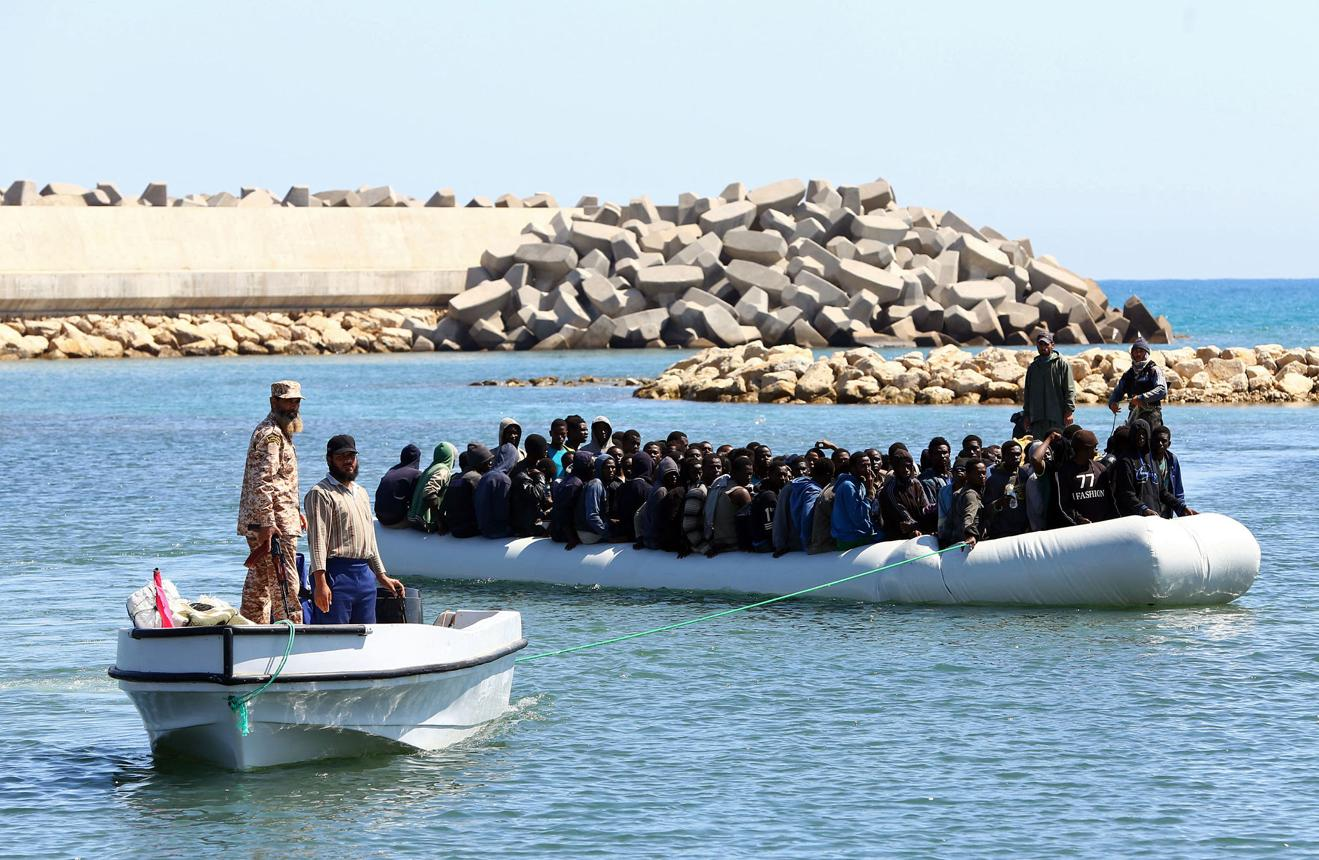
European governments have spent years attempting to reduce migration across the Mediterranean. Some policies have focused on strengthening Libyan coast guard operations and preventing migrant departures from North African shores.
Critics argue that such approaches often prioritize border security over humanitarian protections.
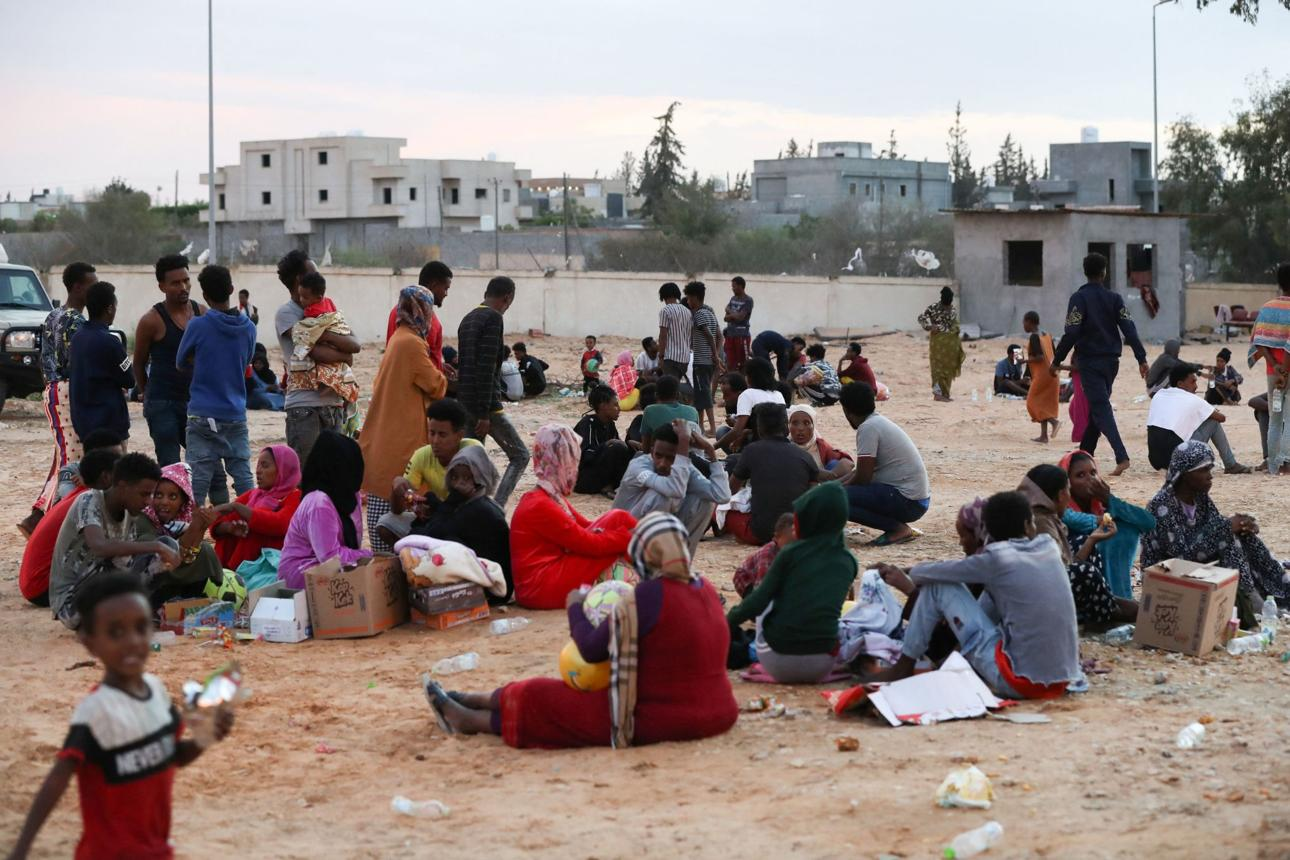
When migrants are intercepted and returned to Libya, many find themselves back inside detention systems where abuse has been repeatedly documented by international observers.
Human rights advocates contend that stopping boats does little to address the conditions awaiting migrants once they are returned.
The political challenge for European leaders is obvious: balancing domestic pressure to control migration with international obligations to protect vulnerable populations.
The human consequences are equally obvious.
Africa’s Youth Are Paying the Price
The overwhelming majority of victims originate from sub-Saharan Africa.
Young men leave countries facing unemployment and limited economic opportunity. Women travel hoping to support families. Some migrants are fleeing armed conflicts or political persecution.
Many begin their journeys believing Europe is within reach.
Instead, they become trapped in Libya’s shadow economy.
The trafficking industry thrives because demand exists on both ends. Migrants desperately seek opportunities abroad. Criminal organizations exploit that desperation for profit.
Until economic opportunities improve in many source countries and legal migration pathways expand, experts warn that trafficking networks will continue finding new victims.
Why the Crisis Persists
The persistence of slavery-like conditions in Libya is not the result of a single failure.
It is the product of multiple overlapping crises:
Political fragmentation that limits law enforcement.
Armed groups operating with relative impunity.
Corruption that weakens accountability.
Migration pressures driven by economic inequality.
International policies focused heavily on border management.
A global attention span that often moves on before structural problems are solved.
Taken together, these factors create an environment where exploitation can flourish despite years of international scrutiny.
The Moral Test Facing the International Community
The continued existence of slave-like conditions in Libya represents more than a regional crisis. It is a test of whether international institutions can protect vulnerable populations when state authority collapses.
For years, governments have pledged action.
Yet migrants continue disappearing into detention centers, labor camps, and trafficking networks operating across North Africa.
The images that shocked the world in 2017 revealed a disturbing reality. The greater scandal may be that years later, the underlying system remains intact.
Modern slavery is often discussed as a relic of history.
In Libya, it remains a present-day reality for thousands of people whose suffering unfolds far from the headlines but never far from the Mediterranean’s shores.
—Sylvester Loving, B1Daily




Leave a comment