—Terrence Dorner, B1Daily
South Korea has officially abandoned half-measures.
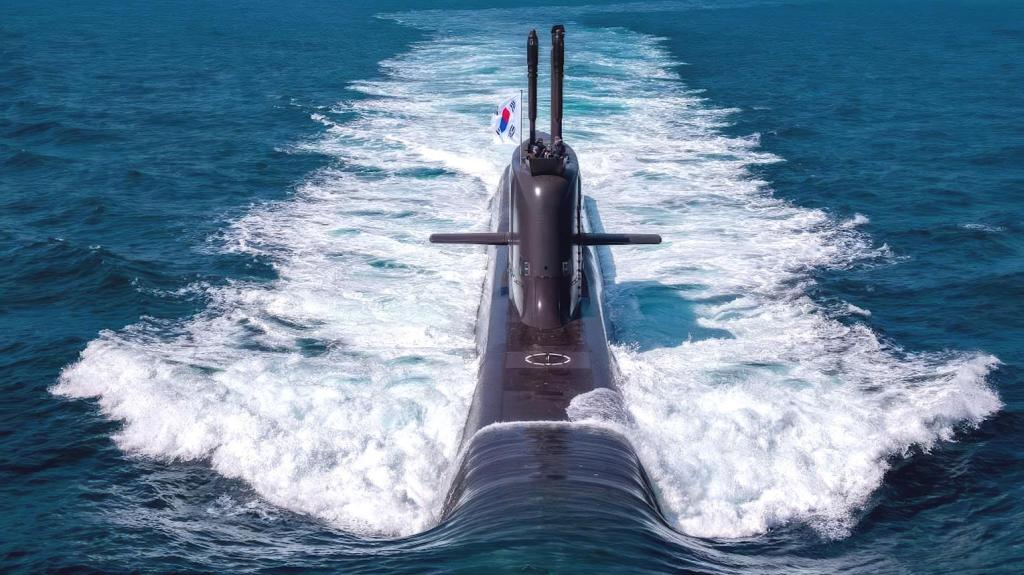
In a move that could reshape the naval balance across the Indo-Pacific, Seoul has unveiled an ambitious plan to develop and deploy its first nuclear-powered attack submarine, marking the most significant transformation of the country’s undersea warfare capabilities since the creation of its modern submarine fleet.
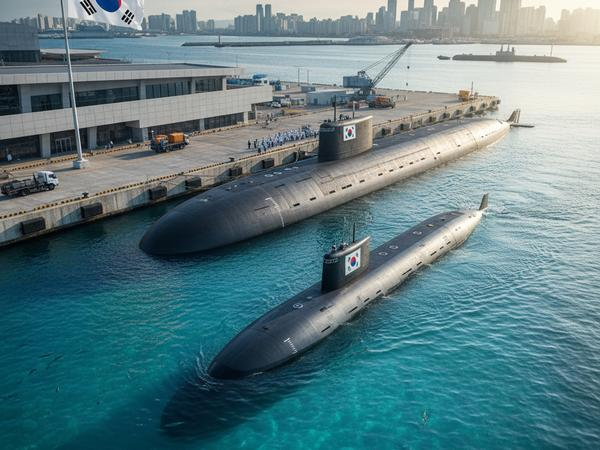
According to South Korea’s Ministry of National Defense, the project aims to launch the nation’s first nuclear-powered submarine in the mid-2030s and place it into operational service later that decade.
The announcement represents far more than a shipbuilding program. It is a declaration that South Korea intends to join one of the world’s most exclusive military clubs.
Only a handful of nations currently operate nuclear-powered submarines, including United States, United Kingdom, France, Russia, China, and India. South Korea’s entry into that elite group would dramatically elevate its status as a maritime power while signaling growing concern over the rapidly changing security environment in Northeast Asia.
The initiative, known as the “Jang Bogo N Project,” is named after the Republic of Korea Navy’s pioneering submarine force. Officials describe it as a national strategic program designed to integrate South Korea’s advanced shipbuilding industry, nuclear expertise, and defense sector into a single long-term project.
At the center of Seoul’s calculations is an increasingly dangerous regional environment.
North Korea has spent years pursuing sea-based nuclear capabilities, including submarine-launched ballistic missiles and advanced naval platforms. Recent reports indicate Pyongyang is aggressively expanding its naval modernization efforts while pursuing nuclear-capable warships and future submarine programs.
For South Korean military planners, traditional diesel-electric submarines no longer provide sufficient endurance to track emerging threats across vast stretches of ocean.
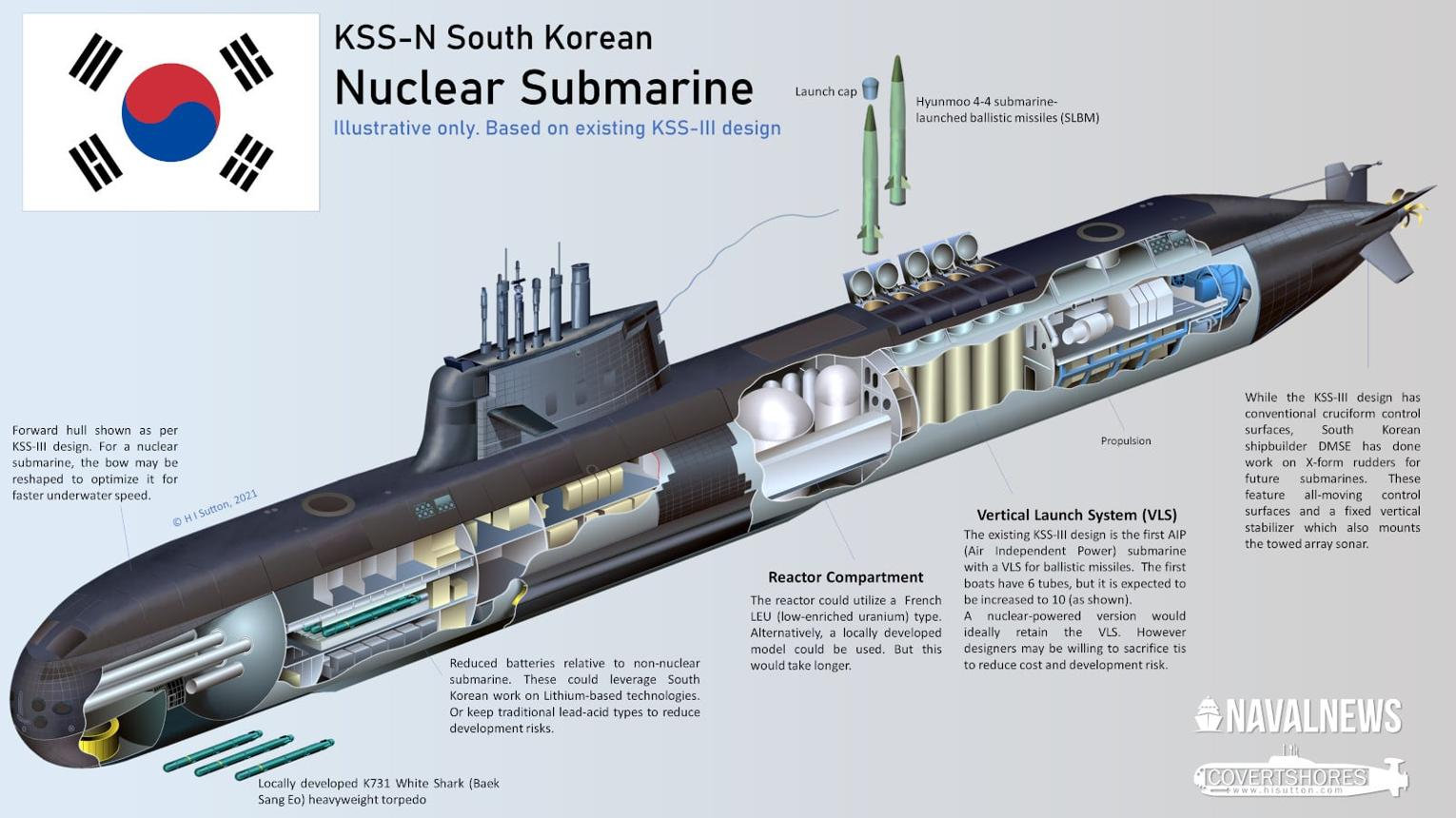
Nuclear propulsion changes that equation entirely.
Unlike conventional submarines that must periodically surface or snorkel to recharge batteries, nuclear-powered submarines can remain submerged for months.
They travel faster, operate farther from home ports, and maintain greater persistence during surveillance and combat operations. These advantages make them exceptionally effective at hunting enemy submarines and gathering intelligence.
South Korean officials have emphasized that the submarines will carry conventional weapons rather than nuclear warheads. The government has repeatedly stated that the program will comply with international nonproliferation obligations and operate under safeguards coordinated with the International Atomic Energy Agency.
Still, the project raises difficult strategic questions.
Nuclear-powered submarines require access to enriched uranium fuel and sophisticated reactor technology. Historically, Washington has been extremely cautious about sharing such capabilities.
Yet recent agreements between Seoul and Washington suggest a major shift may already be underway. U.S. support for South Korea’s submarine ambitions emerged following bilateral negotiations in late 2025, and both governments are now engaged in discussions concerning nuclear cooperation, fuel sourcing, and legal frameworks necessary to move the project forward.
The implications extend beyond the Korean Peninsula.
China has rapidly expanded its naval power over the past decade, building one of the world’s largest fleets while increasing military activity throughout the Western Pacific. South Korea’s future nuclear submarine force would provide Seoul with a much stronger ability to monitor regional waters, protect sea lanes, and contribute to allied maritime operations.
The economic impact could be substantial as well.
South Korea is already home to some of the world’s most advanced shipbuilders. Defense officials estimate that the nuclear submarine initiative could create tens of thousands of jobs while driving innovation across the nation’s nuclear engineering, advanced manufacturing, and defense sectors.
Yet enormous challenges remain.
Designing and constructing a nuclear-powered submarine is among the most technologically demanding projects any nation can undertake. Even countries with mature defense industries have spent decades refining reactor safety, crew training, maintenance infrastructure, and operational doctrine. The timeline stretching into the late 2030s reflects the complexity of the task ahead.
For now, however, the political message is unmistakable.
South Korea is no longer content to rely solely on conventional undersea capabilities while neighboring powers expand their maritime reach. By committing to nuclear propulsion, Seoul is signaling that it intends to remain a first-tier military power in an increasingly contested Indo-Pacific.
The race for dominance beneath Asia’s waters has entered a new chapter, and South Korea intends to be one of its principal players.
—Terrence Dorner, B1Daily






Leave a comment