—Terrence Dorner, Sylvester Loving, B1Daily
For military planners, Somalia represents one of the most complicated operational environments in the world.
The conflict is often described as a war between the Somali government and Al-Shabaab. In reality, the battlespace is crowded with competing actors, overlapping alliances, shifting loyalties, and multiple centers of power. Understanding the Somali conflict requires understanding the major forces operating within it.
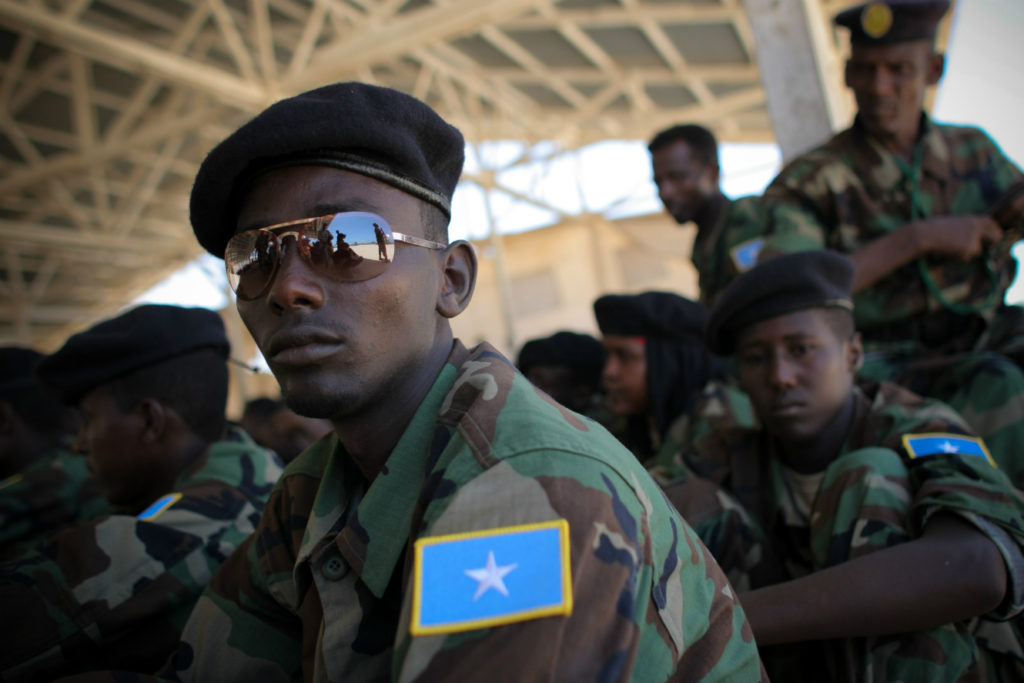
The Federal Government of Somalia: Defending the State
At the center of the conflict stands the Federal Government of Somalia, headquartered in Mogadishu. Its primary objective is to extend state authority across the country, defeat insurgent groups, and maintain Somalia’s territorial integrity.
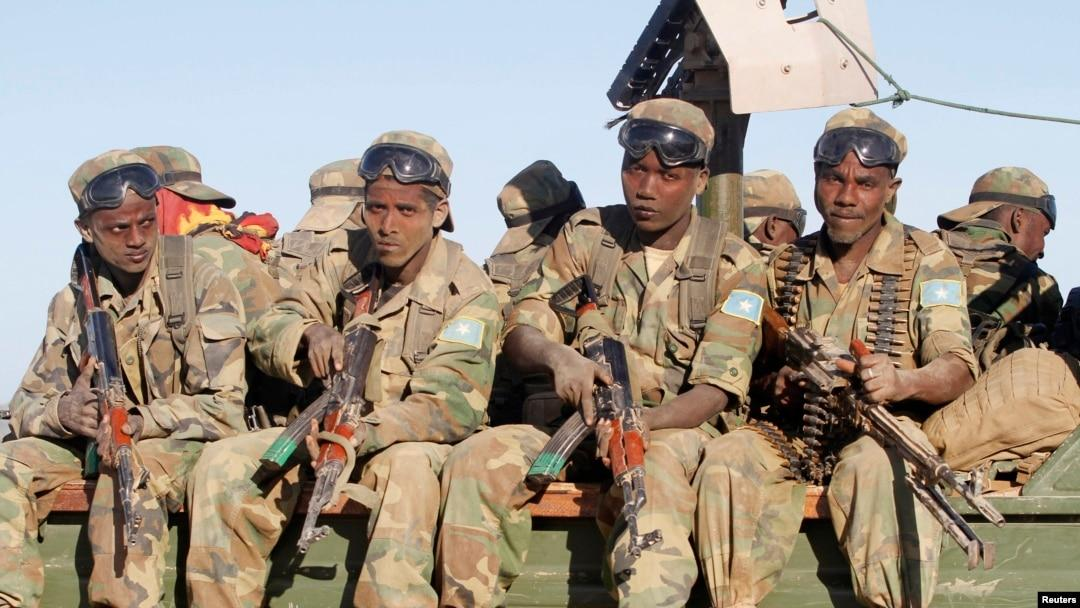
The government’s military backbone is the Somali National Army (SNA), supported by intelligence agencies, police units, special operations forces, and various allied clan militias. In recent years, government offensives backed by U.S. intelligence and airpower have reclaimed territory from insurgent forces, though holding that territory has often proven more difficult than capturing it.
The government faces a dual challenge: defeating Al-Shabaab while simultaneously managing political disputes with regional administrations that often seek greater autonomy from Mogadishu.
Al-Shabaab: The Primary Insurgent Threat
The most powerful armed non-state actor in Somalia remains Al-Shabaab.
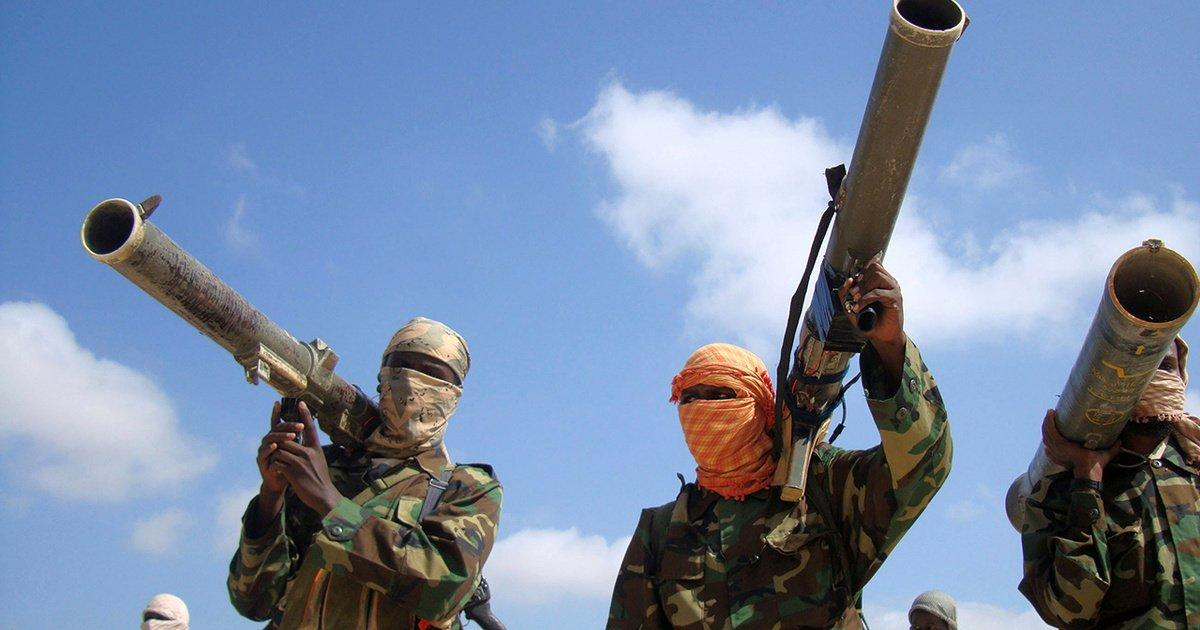
Affiliated with al-Qaeda, the organization seeks to overthrow the Somali government, expel foreign forces, and establish a strict Islamist state. Despite years of military pressure, Al-Shabaab remains one of the most capable jihadist organizations in Africa and continues to conduct complex attacks against military, government, and civilian targets.
Militarily, Al-Shabaab operates as a hybrid force. It combines guerrilla warfare, terrorism, intelligence operations, taxation networks, and conventional-style assaults on military bases. The group has repeatedly demonstrated the ability to regroup after setbacks and exploit divisions among its enemies.
Many analysts consider Al-Shabaab the center of gravity in the conflict. Nearly every other armed actor in Somalia is either directly fighting the group or adjusting strategy around its presence.
Puntland: Regional Power in the Northeast
The semi-autonomous region of Puntland fields its own security forces and has frequently pursued security policies independent of Mogadishu.
While Puntland generally opposes Al-Shabaab and other extremist organizations, its political disputes with the federal government have complicated national security coordination. Tensions between Puntland and Mogadishu have increased in recent years over constitutional reforms and power-sharing arrangements.
Puntland’s forces are among the most experienced regional formations in Somalia and play a major role in counterterrorism operations in the northeast.
Somaliland: The De Facto Independent State
In northwestern Somalia, Somaliland operates as a self-governing entity with its own military, police, government institutions, and border controls.
Although Somalia’s federal government considers Somaliland part of the country, Somaliland has functioned independently since 1991. Unlike much of southern Somalia, Somaliland has maintained relative internal stability and has largely prevented Al-Shabaab from establishing a significant foothold.
Its military focus differs from that of Mogadishu. Rather than conducting large-scale counterinsurgency campaigns, Somaliland’s forces concentrate on territorial defense, border security, and maintaining internal order.
Jubaland and Regional Security Forces
Jubaland, located in southern Somalia near the Kenyan border, fields regional security forces that are critical in operations against Al-Shabaab.
The region sits along several important infiltration routes used by militants moving between Somalia and neighboring countries. However, political disagreements between Jubaland leaders and the federal government have occasionally weakened unified military operations.
The result is a fragmented security architecture where regional priorities do not always align with national objectives.
Clan Militias: Somalia’s Local Fighting Forces
No discussion of Somalia’s conflict is complete without addressing clan militias.
These locally organized armed groups often fight alongside government forces against Al-Shabaab. Their knowledge of terrain, tribal networks, and local communities makes them valuable combat multipliers. At the same time, clan loyalties can create competing interests that complicate broader military campaigns.
In many rural regions, clan militias provide the first line of resistance against insurgent infiltration.
AUSSOM: Africa’s Stabilization Force
Supporting Somali security forces is the African Union Support and Stabilisation Mission in Somalia (AUSSOM), which replaced earlier African Union missions in 2025.
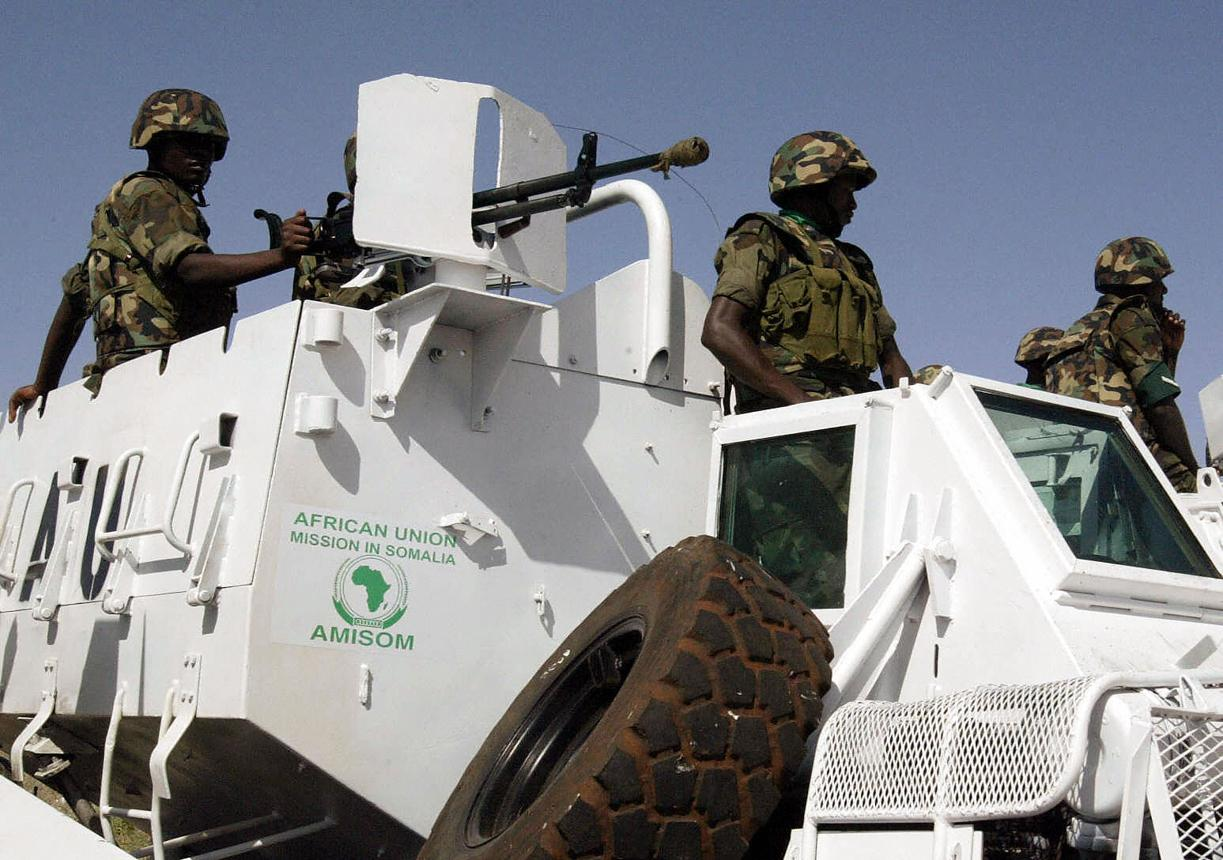
The multinational force includes troops from several African nations and is tasked with supporting stabilization operations, protecting key infrastructure, and assisting Somali forces as they assume greater responsibility for national security. AUSSOM’s long-term objective is a gradual transfer of security responsibilities to Somali institutions.
Its presence remains a critical factor preventing major insurgent advances against key urban centers.
Foreign Military Stakeholders
Several foreign powers maintain interests in Somalia’s security environment.
The United States continues to provide intelligence, training, and precision strike capabilities against Al-Shabaab targets. Turkey has become one of Somalia’s most important security partners through military training, equipment support, and infrastructure investment. Regional actors including Kenya, Ethiopia, Djibouti, Egypt, and Uganda also play significant roles through bilateral agreements and African Union operations.
These external actors help bolster Somali security but also introduce additional geopolitical considerations into an already crowded battlespace.
The Emerging ISIS-Somalia Threat
While smaller than Al-Shabaab, ISIS-Somalia has emerged as a growing concern.
Operating primarily in northern Somalia, the organization remains far weaker than Al-Shabaab but has attracted foreign fighters and expanded its operational capabilities. International security agencies increasingly monitor the group as a potential future threat to regional stability.
A Conflict Defined by Fragmentation
The Somali conflict is not a conventional war fought between two clearly defined armies. It is a multidimensional struggle involving counterinsurgency operations, clan politics, regional rivalries, state-building efforts, and international intervention.
On one side stands a coalition of government forces, regional security units, clan militias, and foreign partners attempting to stabilize the country. On the other stands Al-Shabaab and smaller extremist factions seeking to undermine state authority.
The strategic reality is that military victories alone are unlikely to end the conflict. Somalia’s future will depend not only on battlefield success but also on whether political institutions can unify the competing actors that currently share the same battlespace while pursuing very different objectives.
—Terrence Dorner, Sylvester Loving, B1Daily





Leave a comment