—Travis Luyindama, B1Daily
For centuries, ports have defined global trade. Ships traveled from harbor to harbor, relying on coastal infrastructure to fuel, repair, and resupply their journeys. China is now exploring a concept that could fundamentally alter that model: a massive nuclear-powered floating island capable of operating far from shore for extended periods.
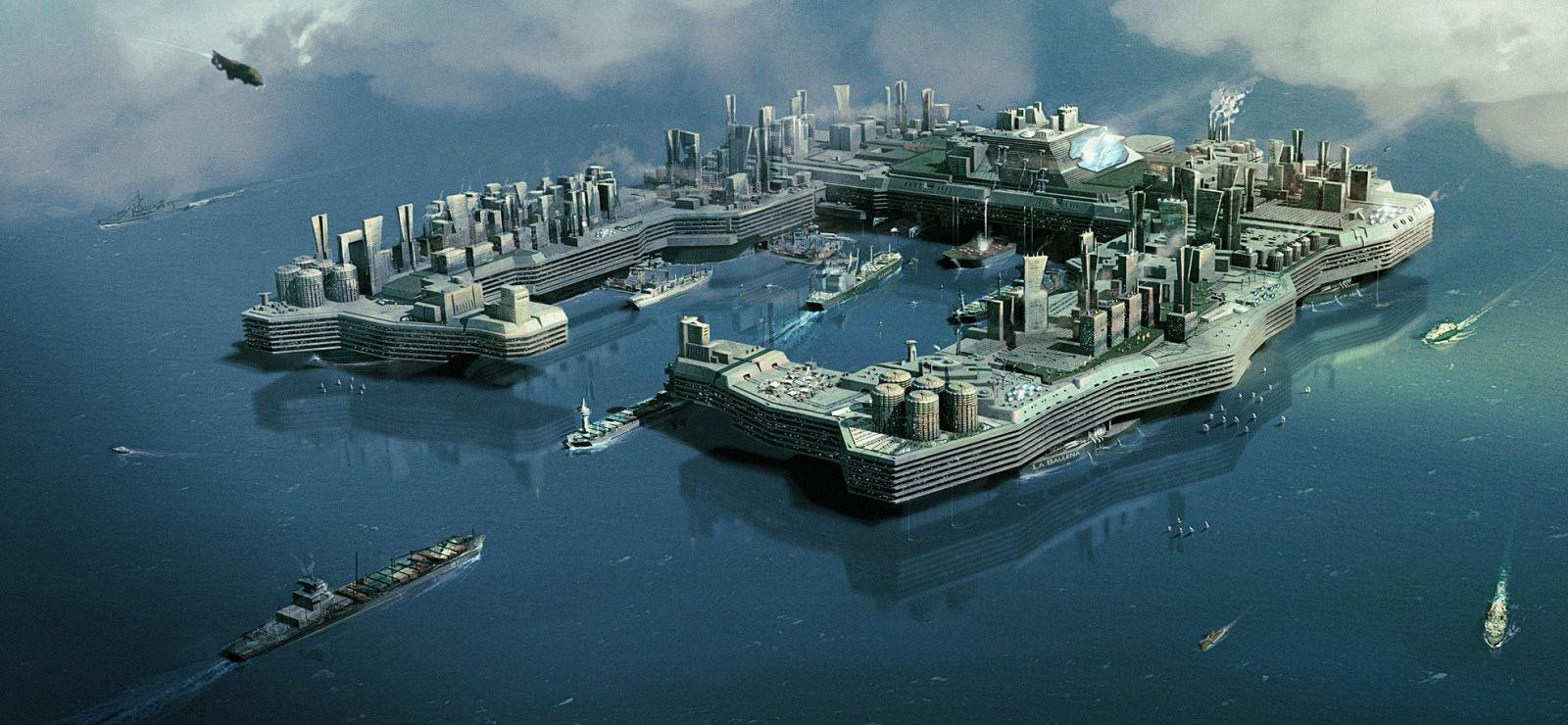
If realized, the project would represent one of the most ambitious maritime engineering efforts of the modern era.
The concept builds on China’s broader push into advanced maritime technologies, including autonomous shipping systems, next-generation naval platforms, and nuclear propulsion research. Reports indicate the floating structure would function as a self-sustaining offshore hub capable of supporting shipping operations, scientific research, industrial activity, and potentially strategic logistics far from traditional ports.
At its core, the project is about energy.
Traditional ships and offshore platforms are constrained by fuel requirements. A nuclear-powered installation changes the equation dramatically. Instead of requiring constant fuel deliveries, a reactor could generate electricity for years, powering everything from communications systems and manufacturing equipment to desalination plants and docking facilities. The result is effectively a mobile city at sea.
For the shipping industry, the implications are enormous.
Today’s global maritime network depends on a chain of ports, fuel depots, and logistics centers spread across continents. A floating nuclear-powered hub could create entirely new maritime corridors by serving as an offshore logistics node. Cargo vessels could potentially receive maintenance, transfer cargo, refuel support vessels, or access emergency services without returning to land-based infrastructure.
In theory, these floating installations could become the maritime equivalent of cloud computing data centers: distributed infrastructure positioned wherever demand is highest.
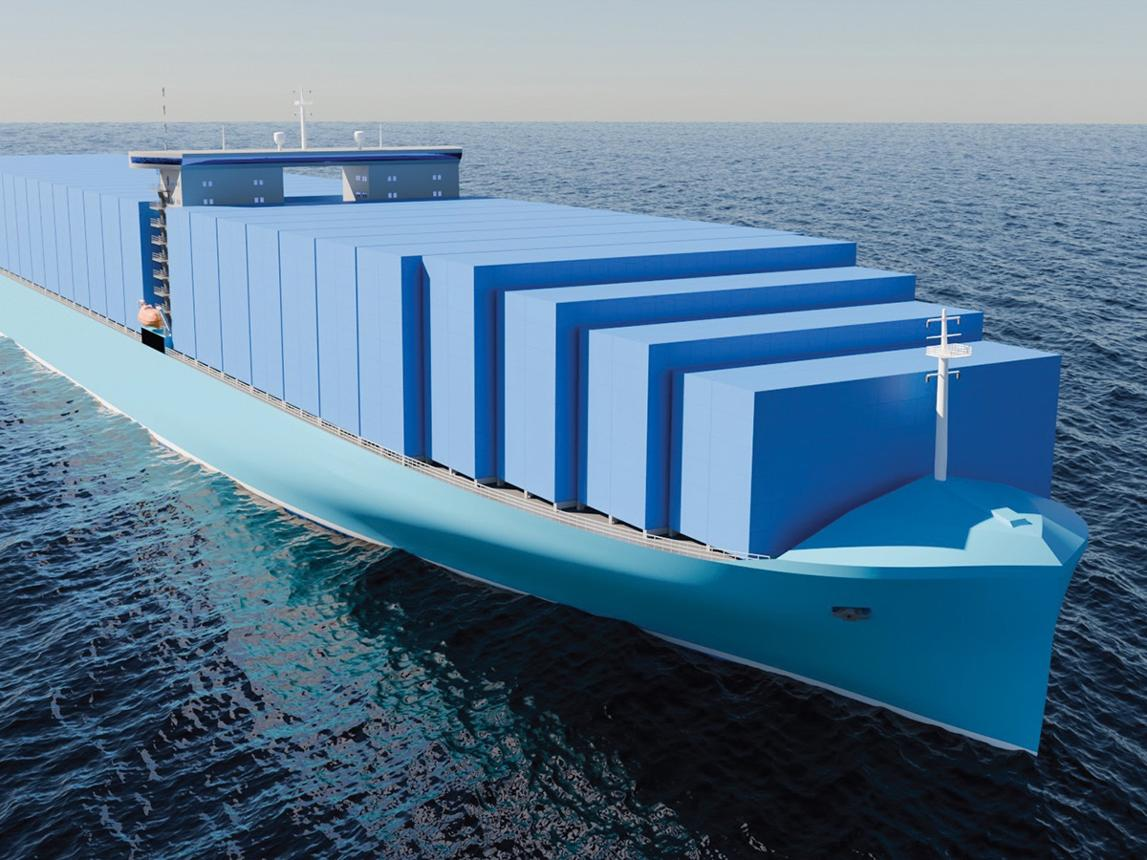
The technology could also accelerate the rise of autonomous shipping. As artificial intelligence, remote navigation systems, and automated cargo handling continue to mature, floating offshore hubs could serve as command centers for fleets of unmanned commercial vessels operating across the world’s oceans. China’s government has already outlined plans to integrate AI deeply into future shipping networks, making the floating island concept a natural extension of its smart-maritime ambitions.
The engineering challenges, however, remain immense.
Operating a nuclear reactor in harsh ocean conditions presents unique safety requirements. Storms, corrosion, maintenance, cybersecurity threats, and environmental concerns would all require solutions far beyond those used in conventional shipping. China has reportedly been researching advanced protective designs, including structures intended to withstand extreme maritime conditions and even significant blast effects.
The proposal also raises geopolitical questions.
A floating nuclear-powered installation positioned in strategically important waters would not simply be an engineering marvel. It would also be a symbol of national power. Maritime analysts have increasingly linked China’s civilian maritime infrastructure projects with broader ambitions to expand its influence across key sea lanes and contested regions. Similar discussions have emerged around China’s expanding naval capabilities and its growing interest in nuclear-powered maritime platforms.
Supporters argue the technology could revolutionize ocean science, renewable energy integration, disaster response, and deep-sea resource development. Critics warn that nuclear infrastructure at sea introduces security risks, environmental concerns, and potential military applications that could increase regional tensions.
What makes the proposal fascinating is that it blurs the line between ship, island, power plant, port, and data center.
The floating island is not merely another vessel. It represents a new category of infrastructure altogether. If successful, future generations may look back at traditional ports the way modern travelers view old coal stations: essential for their era but limited by the technology of their time.
Whether China’s nuclear-powered floating island becomes a reality or remains a bold experiment, it highlights a larger trend already underway. The future of shipping is moving beyond bigger ships and faster routes. It is becoming a contest over who can build the smartest, most autonomous, and most self-sufficient infrastructure on the planet’s oceans.
—Travis Luyindama, B1Daily






Leave a comment