—Kerry Hill, B1Daily
When Karen Bass became Los Angeles’s first female mayor in 2022, many in the Black community hoped she would prioritize economic empowerment for Black-owned businesses. Yet, nearly two years into her term, Black entrepreneurs still face systemic neglect, raising questions about whether her administration is truly committed to addressing racial economic disparities.
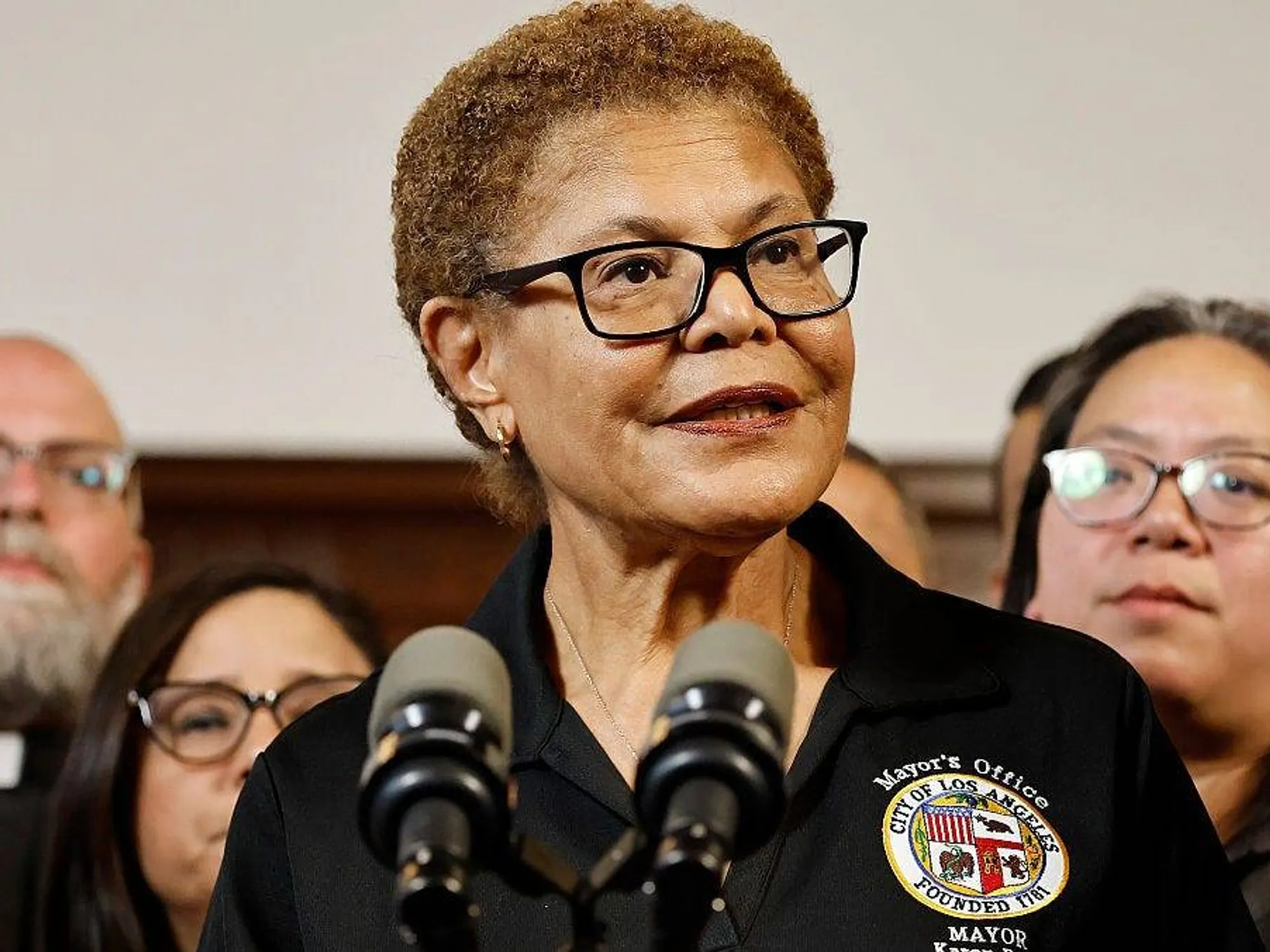
Bass campaigned on a platform of equity, promising to uplift marginalized communities. However, Black business owners report little tangible change. Programs meant to provide grants, loans, and contracting opportunities remain underfunded or inaccessible. Meanwhile, gentrification continues unchecked, pushing Black-owned shops out of historic neighborhoods like Leimert Park and South LA.
Despite LA’s $13 billion budget, Black businesses receive only a fraction of city contracts. A 2023 report revealed that less than 3% of municipal contracts went to Black-owned firms, a statistic that hasn’t improved under Bass’s leadership. While she touts partnerships with corporate entities, small Black businesses struggle to secure capital, with many forced to shutter due to rising costs and bureaucratic red tape.
Bass has connections at the state and federal level, yet there’s little evidence she’s used those relationships to direct resources toward Black entrepreneurs. Unlike cities like Atlanta or Detroit, where Black business growth is actively supported, LA’s policies remain stagnant. Programs like “LA Optimized,” meant to aid small businesses, have failed to reach Black owners in meaningful numbers.
To salvage her legacy, Bass must take decisive action: increasing direct funding for Black business initiatives, streamlining city contracts to guarantee equitable access, pressuring banks and investors to end the redlining of Black entrepreneurs, and protecting cultural districts from predatory developers.
Until then, her promises ring hollow, and LA’s Black business community deserves better.
—Kerry Hill, B1Daily





Leave a comment