—Michael Lyles, B1Daily
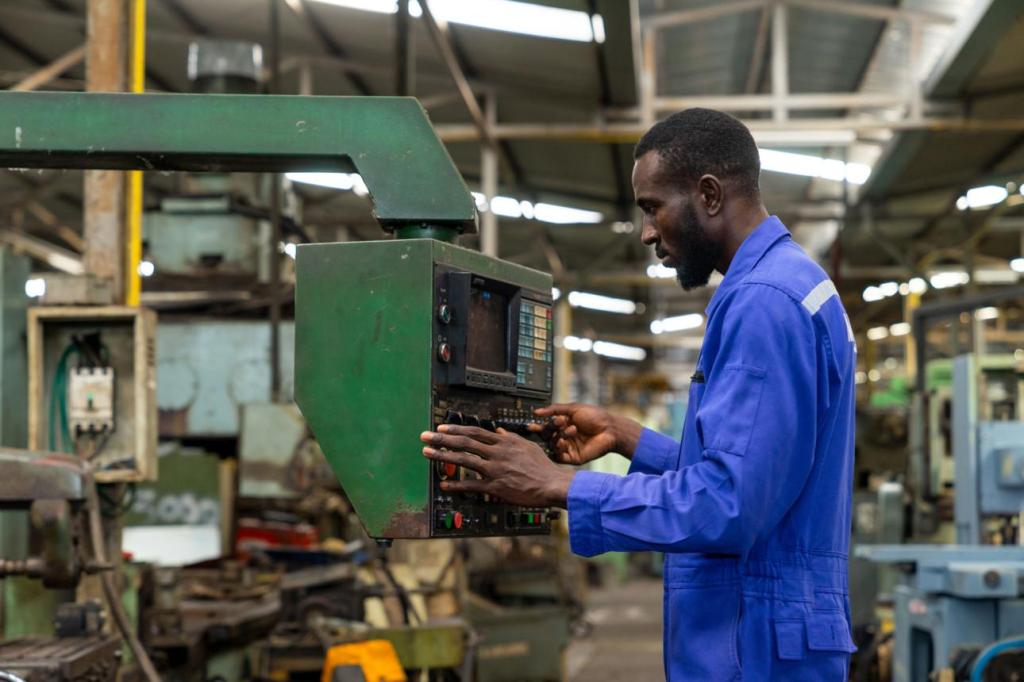
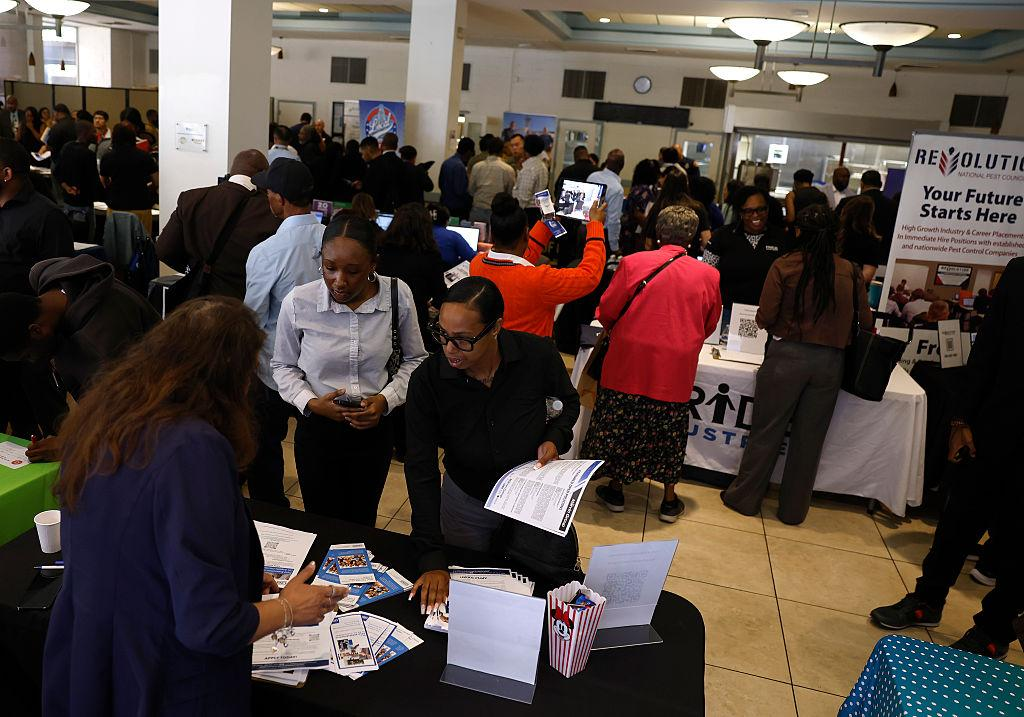
A new jobs report has delivered what many politicians will undoubtedly call good news: Black unemployment ticked downward in the latest labor market data. On paper, that sounds like progress. But for many Black workers and families across the country, the bigger question remains whether the broader economy is actually improving in a way that can be felt at the kitchen table.
The unemployment rate among Black Americans remains significantly higher than the national average, continuing a pattern that has persisted through multiple administrations and economic cycles. While any decline in unemployment is welcome, a single month’s movement does not necessarily indicate a long-term trend.
For many workers, the reality of the economy extends far beyond unemployment statistics. Inflation may have cooled from its peak, but the cost of housing, groceries, insurance, and utilities remains elevated compared to just a few years ago. A paycheck that looked comfortable in 2021 often does not stretch as far in 2026.

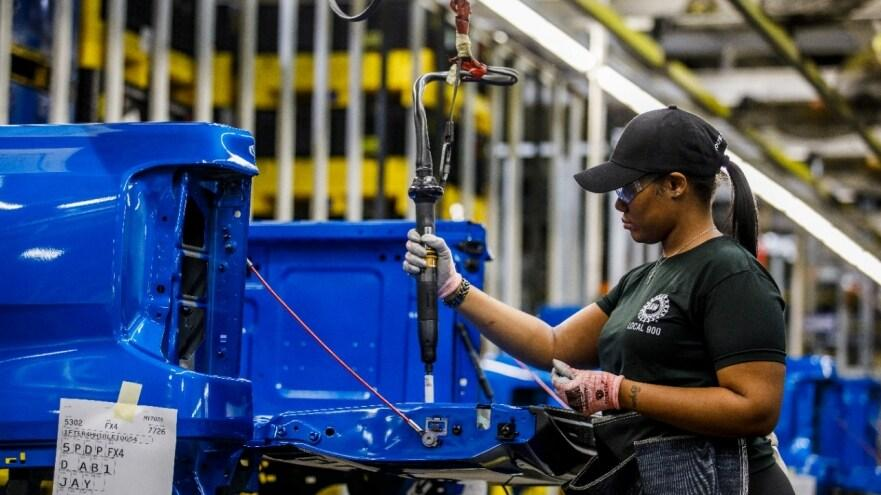
The quality of jobs being created is another concern. Economists frequently note that unemployment figures do not distinguish between high-paying careers and lower-wage positions. A worker who loses a manufacturing job and takes a part-time service-sector position is still counted as employed, even though their financial situation may have deteriorated substantially.
This issue is particularly important in Black communities, where stable union jobs in manufacturing, transportation, government, and skilled trades have historically provided pathways into the middle class. The decline of many of these industries over the past several decades has left some communities searching for replacement opportunities that offer similar wages and benefits.
President Donald Trump has pointed to his administration’s efforts to bring manufacturing back to the United States as a potential solution. The White House argues that tariffs and policies encouraging domestic production could lead to the return of factory jobs that once supported generations of American workers, including large numbers of Black workers in cities such as Detroit, Cleveland, Chicago, and St. Louis.
Supporters believe a manufacturing revival could create thousands of well-paying jobs and strengthen working-class communities. Critics counter that automation, global competition, and changing economic realities mean the factory workforce of the twentieth century is unlikely to return at the same scale.
Meanwhile, many Black Americans are focused on practical concerns rather than political talking points. Can they afford rent? Can they buy a home? Are wages keeping up with expenses? Can young people find careers that provide long-term stability?
Those questions may ultimately matter more than any single unemployment report.
The latest decline in Black unemployment is certainly a positive development. But one statistic alone cannot tell the full story of economic health. Until workers see sustained wage growth, increased economic mobility, and improved affordability, many will remain skeptical of claims that the economy is truly booming.
The numbers may be moving in the right direction. Whether everyday Americans actually feel that improvement remains a matter of debate.
—Michael Lyles, B1Daily





Leave a comment