—Sylvester Loving, Terrence Dorner, B1Daily
Nuclear weapons potentially returning in greater numbers, visibility, or permanence to Eastern Europe. For decades, the continent treated nuclear deployment as a locked chapter, something carefully managed through treaties, deterrence doctrines, and uneasy restraint. But in 2026, that restraint is starting to look less like consensus and more like a fraying thread.
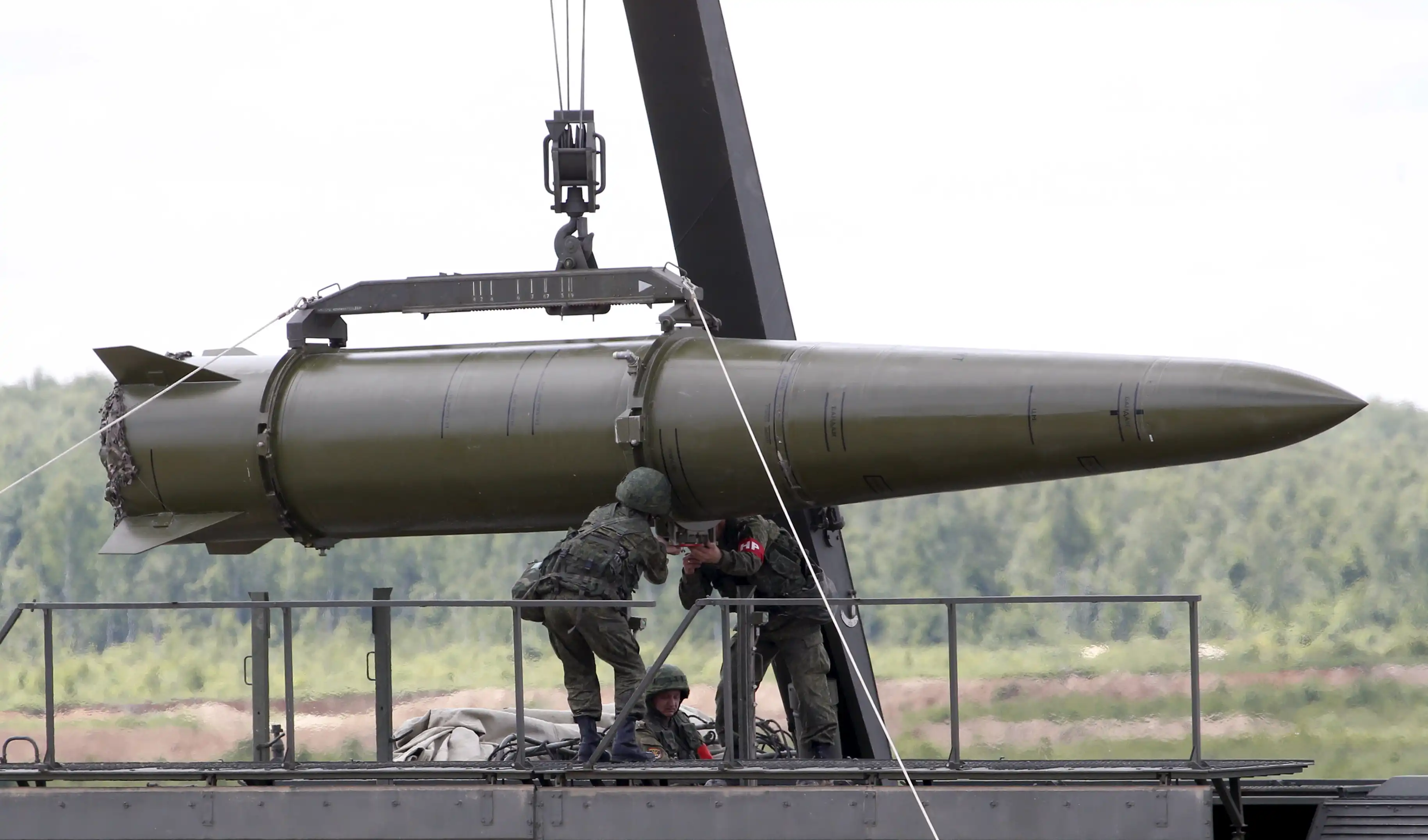
Across security circles in NATO, Eastern flank states are quietly pushing harder questions: if deterrence is the shield, should it be sharpened and moved closer to the perceived threat? And on the other side, Russia is already answering in its own way, by tightening its nuclear signaling, expanding dual-capable deployments, and deepening military integration with neighboring states.
This is not a return to 1962, but it is a return to something emotionally adjacent.
The slow erosion of nuclear distance
During the post, Cold War period, nuclear weapons in Europe were managed under a carefully constructed architecture: U.S. warheads remained in select Western European countries under NATO nuclear sharing arrangements, while most of Eastern Europe remained explicitly non-nuclear territory. That geography itself became a political statement, distance as reassurance.
But that distance has been shrinking in practice, if not in official doctrine.
The war in Ukraine shattered long-held assumptions about conventional deterrence. As Russian forces entrenched in a prolonged conflict, Eastern NATO members, especially Poland and the Baltic states, began openly discussing expanded deterrence posture, including deeper integration into NATO’s nuclear planning.
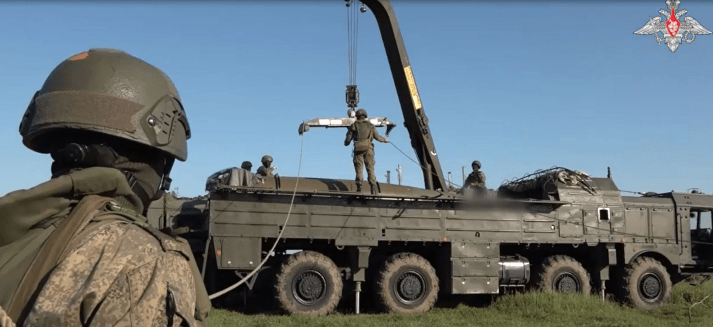
Meanwhile, Russia’s 2023 decision to deploy tactical nuclear weapons in Belarus signaled a dramatic reversal of the post-Cold War trend. It placed nuclear-capable systems physically closer to NATO’s eastern border than at any point in decades, effectively collapsing the buffer zone that had defined European security thinking.
The result is a continent where nuclear weapons are not just strategic abstractions—they are becoming geographic neighbors again.
The nuclear sharing pressure valve
At the center of the debate is NATO’s nuclear sharing program, under which U.S. nuclear weapons are stored in select allied countries, paired with dual-capable aircraft operated by those allies. Today, that system primarily involves Western European states, but pressure is mounting from Eastern members seeking inclusion or expanded roles.
Poland has become the most vocal candidate for a more forward nuclear posture. Polish leaders have hinted at hosting U.S. nuclear weapons or participating more directly in nuclear-sharing arrangements. The argument is simple: geography has changed the threat calculus, and deterrence must move accordingly.
Opponents inside NATO warn that expanding nuclear deployment eastward could provoke escalation cycles, undermine arms control frameworks, and further normalize nuclear proximity in a region already under strain.
The tension is not theoretical. It is architectural. Every new deployment redraws the mental map of deterrence.
The Baltic anxiety layer
For Estonia, Latvia, and Lithuania, the debate is less abstract and more visceral. These states sit on NATO’s edge in direct proximity to Russian forces in Kaliningrad and Belarus. The question they increasingly raise is not whether nuclear weapons should be closer, but whether deterrence without proximity is credible at all.
Yet even among Baltic policymakers, there is recognition of the paradox: the closer nuclear assets move to the frontline, the more they become targets in a crisis scenario. Deterrence becomes both shield and magnet.
This is the central contradiction of modern nuclear strategy. Safety through proximity can quickly turn into danger through visibility.
Russia’s counter-move and the new instability loop
The nuclear equation in Eastern Europe cannot be understood without Russia’s parallel escalation. By placing nuclear weapons in Belarus and refining its doctrine around limited nuclear use scenarios, Moscow has reintroduced ambiguity into European deterrence planning.
This ambiguity forces NATO into a reactive posture. Each perceived Russian step toward “tactical normalization” of nuclear weapons creates pressure inside NATO to respond symmetrically or risk deterrence erosion.
The result is a loop: move, counter-move, recalibration, and increased proximity.
This is not arms control. It is arms choreography performed on a shrinking stage.
The American dilemma
The United States remains the anchor of NATO’s nuclear umbrella, but Washington is increasingly caught between reassurance and restraint. Expanding nuclear presence deeper into Eastern Europe would strengthen deterrence signals but risk accelerating escalation dynamics and complicating arms control diplomacy with Russia.
At the same time, failing to adjust posture could weaken allied confidence and push individual states toward unilateral defense initiatives, which would fracture NATO cohesion in more unpredictable ways.
So the U.S. faces a strategic balancing act: maintain deterrence credibility without turning Europe into a denser nuclear lattice.
What “return” really means
The phrase “return of nuclear weapons to Eastern Europe” is misleading in a literal sense. Nuclear weapons never fully left the broader European theater. What is changing is not presence, but distribution and perception.
We are witnessing a potential shift from concentrated nuclear basing to expanded, more politically contested nuclear geography. The weapons themselves may remain limited in number, but their symbolic footprint is expanding.
The road ahead: stability or spillover?
Three trajectories are emerging.
One is cautious stabilization, where NATO avoids expanding nuclear basing eastward while strengthening conventional deterrence and missile defense. Another is gradual expansion of nuclear-sharing roles to Eastern allies, reshaping the deterrence map without formally breaking treaties. The third is uncontrolled drift, where reciprocal deployments by NATO and Russia gradually normalize a denser nuclear presence across Eastern Europe.
None of these paths guarantees stability. Each contains its own version of strategic risk, just packaged differently.
What is clear is that Eastern Europe is no longer a passive backdrop to nuclear strategy. It is becoming the main stage again.
And the question is no longer whether nuclear weapons can return in any meaningful sense.
It is whether Europe can manage their proximity without letting proximity define its future.
—Sylvester Loving, Terrence Dorner, B1Daily






Leave a comment