—Vanessa Edwards, B1Daily
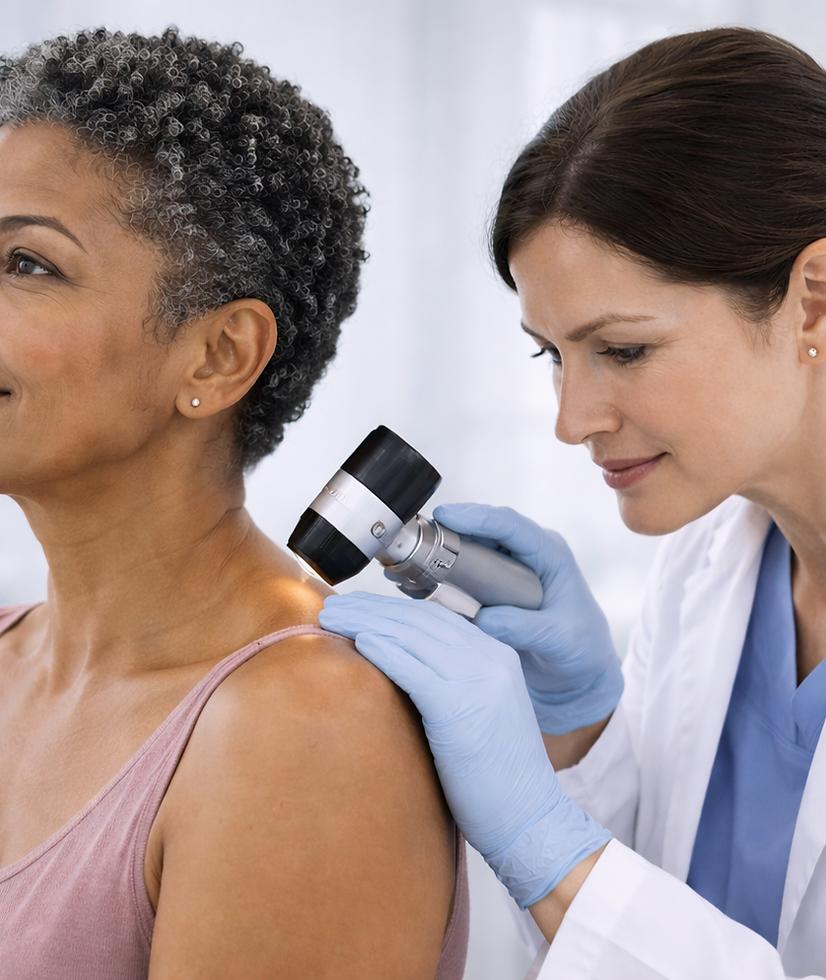
A groundbreaking cancer vaccine is giving doctors and patients new hope in the fight against melanoma, one of the deadliest forms of skin cancer.
New clinical trial data presented at the American Society of Clinical Oncology (ASCO) Annual Meeting revealed that a personalized mRNA vaccine developed by Moderna and Merck significantly reduced the risk of melanoma recurrence or death when combined with the immunotherapy drug Keytruda. After five years of follow-up, patients who received the combination treatment experienced a 49% lower risk of cancer recurrence or death compared to those who received Keytruda alone.
For cancer researchers, the results represent one of the most encouraging developments yet for mRNA technology beyond infectious diseases. While mRNA vaccines became globally recognized during the COVID-19 pandemic, scientists have long believed the technology could be used to train the immune system to recognize and destroy cancer cells.
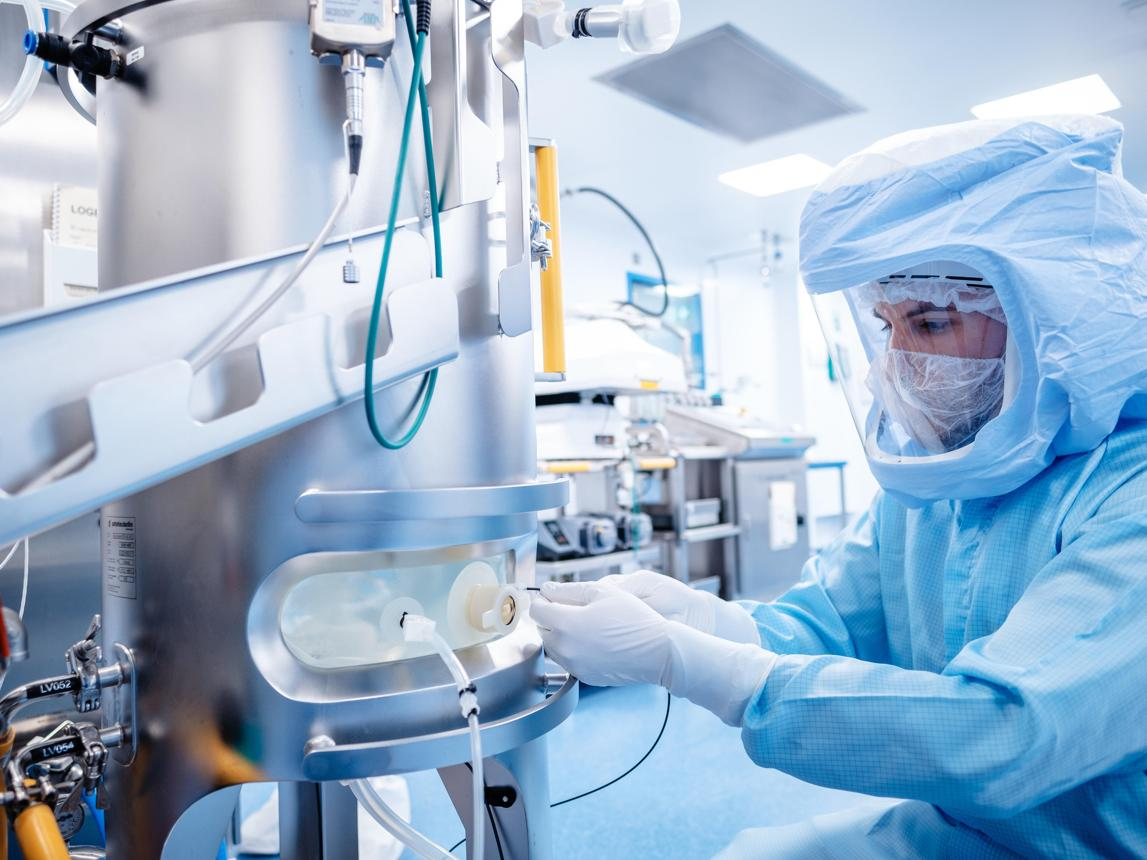
Unlike traditional vaccines designed to prevent disease, this treatment is personalized for each patient. Researchers analyze the genetic mutations found within a patient’s tumor and create a customized vaccine designed to teach the immune system exactly what cancer cells look like. The goal is to help the body identify and attack any remaining cancer cells before they can return.
The phase 2 trial involved 157 patients with high-risk stage 3 and stage 4 melanoma who had already undergone surgery to remove their tumors. The results showed not only a reduction in recurrence risk but also a 59% reduction in the risk of the cancer spreading to distant parts of the body. Researchers reported overall survival rates exceeding 92% among patients receiving the vaccine and Keytruda combination.
Melanoma remains one of the most dangerous forms of skin cancer because of its ability to spread rapidly throughout the body if not detected early. Thousands of Americans are expected to die from melanoma this year despite advances in screening and treatment.
The vaccine, known as intismeran autogene, was also found to have a manageable safety profile. The most commonly reported side effects included fatigue, chills, fever, headaches, and soreness at the injection site. Researchers reported no major new long-term safety concerns during the five-year follow-up period.
Despite the excitement, experts caution that the vaccine is not yet widely available. The treatment is currently being evaluated in larger phase 3 trials, which are designed to confirm the findings before regulators consider approval. Moderna and Merck are also testing similar personalized cancer vaccine approaches against lung, bladder, kidney, and other forms of cancer.
If future studies produce similar results, personalized cancer vaccines could become one of the most significant advances in oncology in decades. What once sounded like science fiction, teaching a patient’s immune system to hunt down cancer using a custom-designed vaccine, is rapidly moving closer to becoming a standard part of cancer treatment.
For melanoma patients and their families, that future cannot come soon enough.
—Vanessa Edwards, B1Daily





Leave a comment