—Kerry Hill, B1Daily
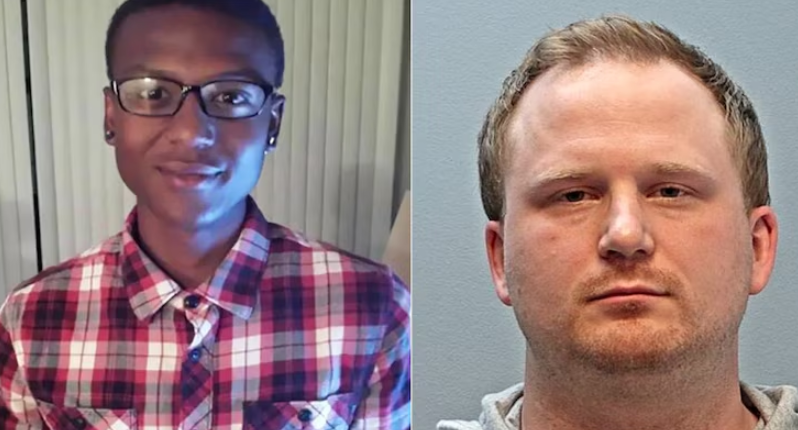
For many Americans, the name Elijah McClain became a symbol of everything that could go wrong when authority, bad judgment, and a lack of accountability collide.
In 2019, the 23-year-old Black massage therapist was stopped by police in Aurora, Colorado, placed in a neck hold, pinned to the ground, and later injected with 500 milligrams of ketamine by paramedics. Days later, he was dead.
After years of protests, investigations, court battles, and demands for accountability, convictions were finally secured against the two paramedics involved. Now, those homicide convictions have been reversed, reopening wounds that many believed had finally begun to heal.
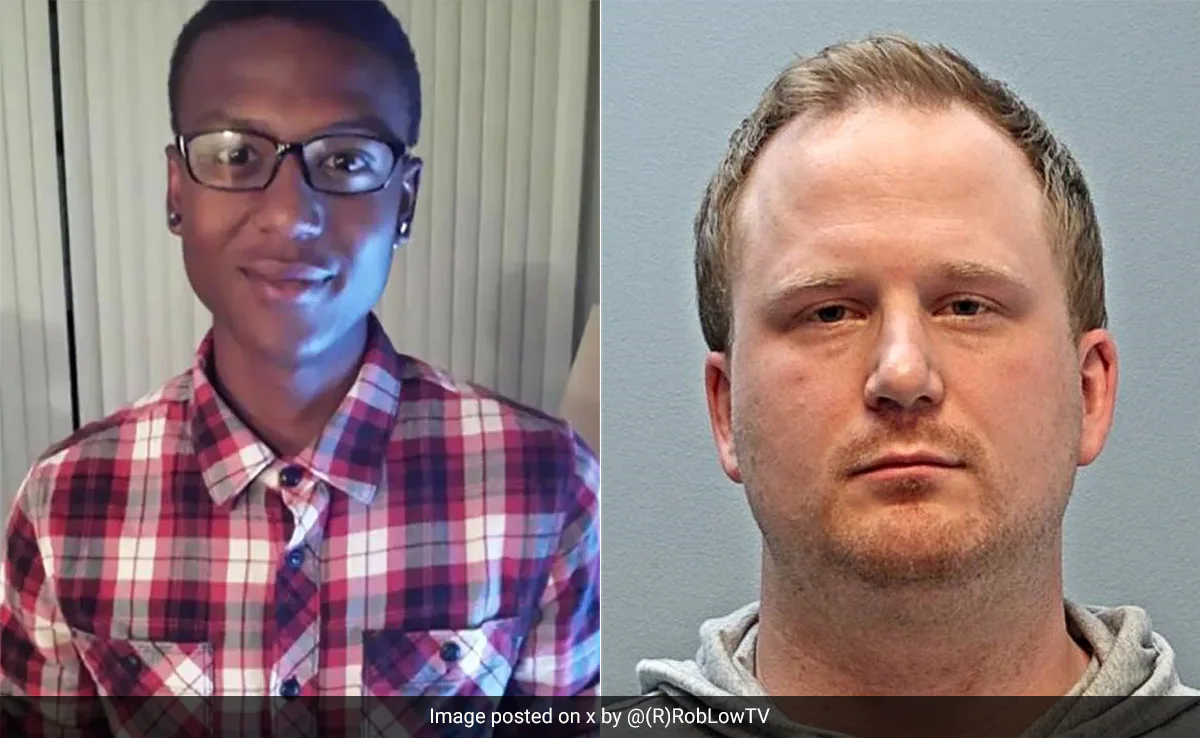
The Colorado Court of Appeals did not declare the paramedics innocent. Instead, the court ruled that jurors received flawed instructions regarding the legal standard for criminal negligence and ordered new trials.
One assault conviction against paramedic Peter Cichuniec remains intact, but the negligent homicide convictions against both paramedics have been thrown out pending further proceedings.
To legal scholars, this is a procedural issue. To many members of the public, it feels like another chapter in a seemingly endless cycle where accountability is repeatedly delayed whenever a high-profile death reaches the courtroom.
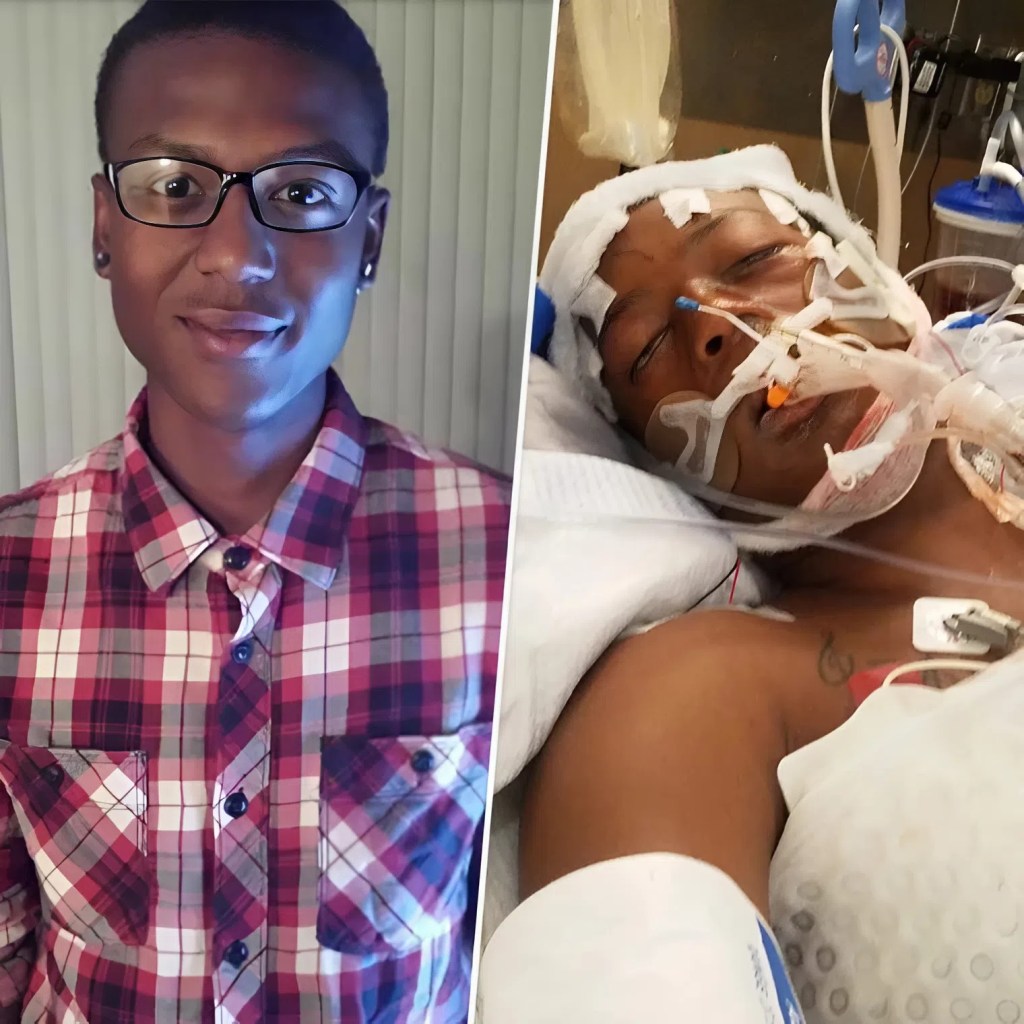
The anger surrounding this decision stems from more than a technical legal ruling. Elijah McClain’s death became one of the defining civil rights controversies of the last decade.
Prosecutors argued that the paramedics administered a powerful sedative after failing to properly assess his condition.
The case led to national scrutiny of ketamine use by first responders and contributed to broader reforms in Colorado. Now, after years of testimony, convictions, and sentencing hearings, McClain’s family faces the possibility of reliving the entire ordeal through another trial. His mother publicly condemned the ruling, calling it a denial of justice.
What makes the reversal especially frustrating for many observers is that the broader case has already produced a patchwork of outcomes. One officer was convicted, while other officers were acquitted. One paramedic still has an assault conviction, while the homicide convictions now face retrial. The result is a legal landscape that leaves many people wondering whether anyone will ever be held fully accountable for the chain of decisions that ended Elijah McClain’s life.
Supporters of the appeals ruling argue that due process matters precisely because emotions run high in cases like this. They contend that every defendant deserves a fair trial and accurate jury instructions.
But the justice system often seems capable of finding endless second chances for white supremacists while victims and families are expected to absorb the delays. That tension is why the Elijah McClain case continues to resonate nearly seven years after his death.
The legal fight is not over.
Colorado’s attorney general has indicated the state intends to continue defending the original convictions and pursue further appeals.
But for many people who watched the case unfold, the latest ruling feels less like a legal correction and more like another reminder of how difficult it can be to achieve finality in controversial deaths involving government officials and first responders.
—Kerry Hill, B1Daily




Leave a comment