—Travis Luyindama, B1Daily
In an industry increasingly obsessed with battle passes, daily challenges, premium currencies, and endless content updates, a surprising counter-movement continues to gain momentum.

While major publishers pour billions into live-service titles designed to keep players engaged for years, many gamers are looking backward instead of forward. Retro gaming is experiencing a renaissance, and its popularity reveals growing frustration with the modern gaming landscape.
For decades, the gaming industry has focused on pushing technology forward. Bigger worlds, better graphics, and online connectivity became the primary selling points for new releases.

More recently, the rise of live-service games transformed how many titles are designed. Instead of delivering a complete experience on day one, developers increasingly release games that evolve over months or years through seasonal updates and monetized content.
For some players, this model works. Games such as battle royales and online shooters can provide hundreds or even thousands of hours of entertainment. But for others, gaming has started to feel less like a hobby and more like a second job.
The pressure to log in daily, complete challenges before they expire, and keep up with constantly changing metas has left many players exhausted. Missing a few weeks can mean falling behind friends, missing exclusive rewards, or losing access to limited-time content.
Retro games offer something radically different.
When a player boots up a classic platformer, fighting game, role-playing game, or arcade shooter from the 1980s, 1990s, or early 2000s, there are no battle passes waiting. No login bonuses. No premium storefronts. No fear of missing out. The entire experience is available immediately.

Many gamers describe retro titles as refreshingly straightforward. You buy the game, turn it on, and play. The goal is not to maximize engagement metrics or encourage microtransactions. The goal is simply to have fun.
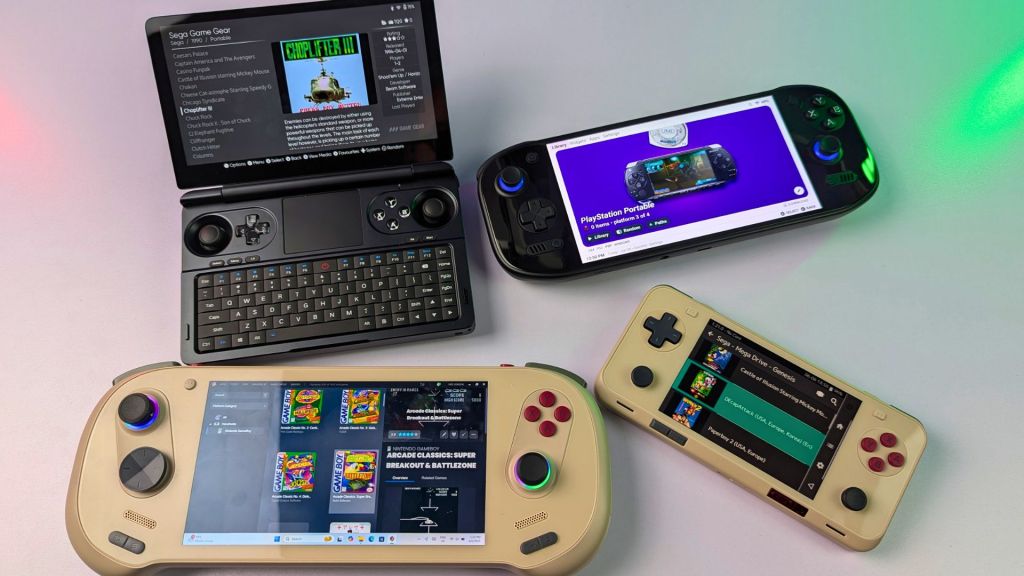
The appeal extends beyond nostalgia. Younger players who never grew up with classic consoles are discovering retro gaming through digital storefronts, emulation devices, mini consoles, and game collections. They are finding that great gameplay often ages better than cutting-edge graphics.
Many of the industry’s most influential titles continue to hold up decades after release. Classic platformers, fighting games, strategy titles, and role-playing games remain enjoyable because their core mechanics were built around gameplay rather than monetization.
The retro boom has also fueled a thriving collector market. Vintage cartridges, consoles, and accessories have become highly sought-after items. Some rare games now sell for hundreds or even thousands of dollars. Meanwhile, companies have recognized the demand, releasing remastered collections, retro-inspired hardware, and modern reimaginings of classic franchises.
Ironically, many independent developers are embracing retro design philosophies as well. Pixel art games and old-school mechanics have become staples of the indie scene. Developers have learned that players often value creativity and strong gameplay more than photorealistic graphics.
The growing popularity of retro gaming sends an important message to the industry. While live-service games remain enormously profitable, not every player wants an endless commitment. Many simply want complete experiences that respect their time and money.
As publishers continue chasing recurring revenue streams, retro gaming serves as a reminder of what made the medium popular in the first place. Long before battle passes and seasonal roadmaps existed, games succeeded because they were fun, challenging, and rewarding.
In a world increasingly dominated by live-service experiences, retro gaming is more than nostalgia. It is a celebration of an era when the game itself was the entire product.
—Travis Luyindama, B1Daily






Leave a comment