—Kerry Hill, B1Daily
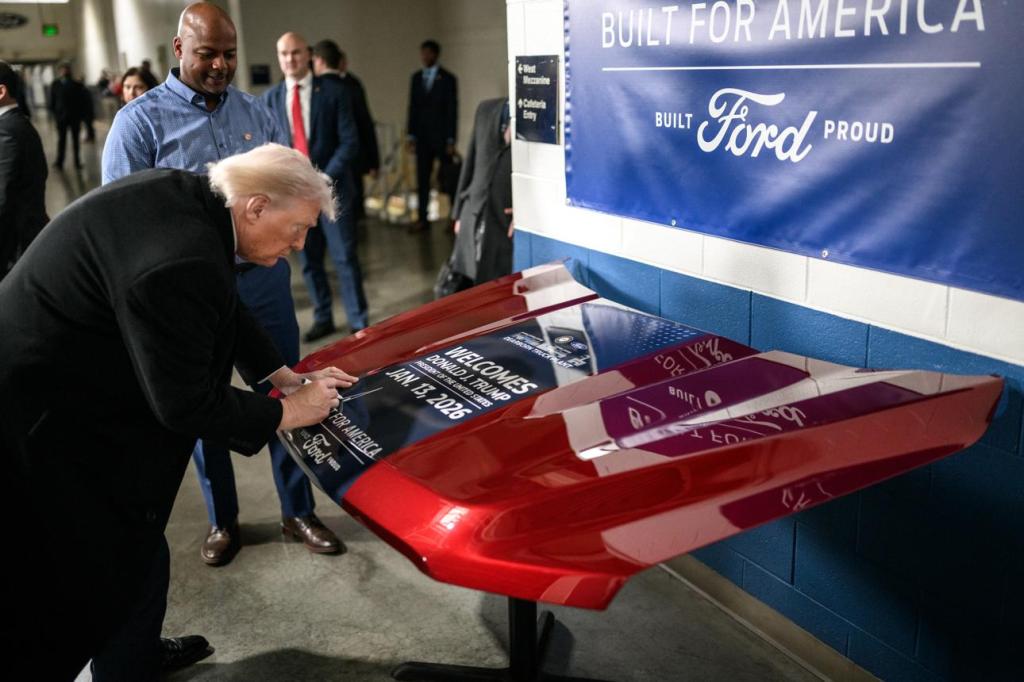
President Donald Trump is once again making a bold promise to Black workers: when automobile factories return to American soil, Black Americans will be among the biggest beneficiaries.
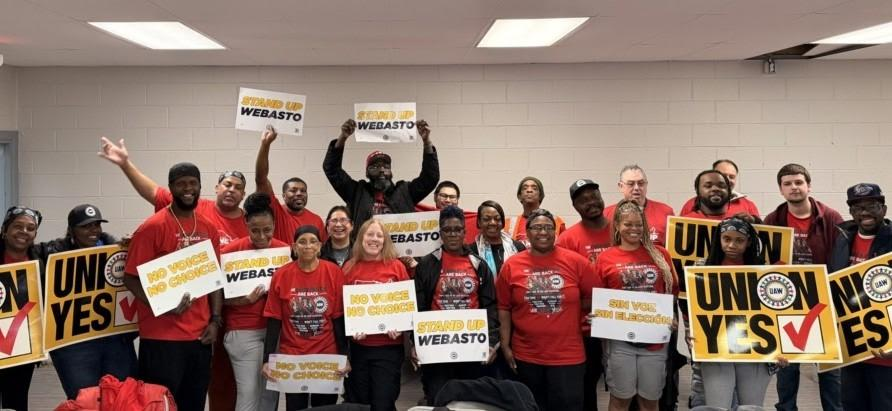
The pledge comes as new labor data shows Black unemployment dipped slightly, offering a small measure of relief after months of concern about rising joblessness among Black workers. During a recent exchange with reporters, Trump argued that the return of auto manufacturing and industrial jobs would create significant opportunities for Black communities, particularly in major urban and manufacturing regions.
Trump’s comments are tied directly to his broader economic agenda, which centers on reshoring manufacturing, imposing tariffs on foreign competitors, and encouraging companies to build products inside the United States rather than overseas. The president has repeatedly argued that America’s industrial decline devastated working-class communities and that rebuilding domestic manufacturing will restore economic opportunity.
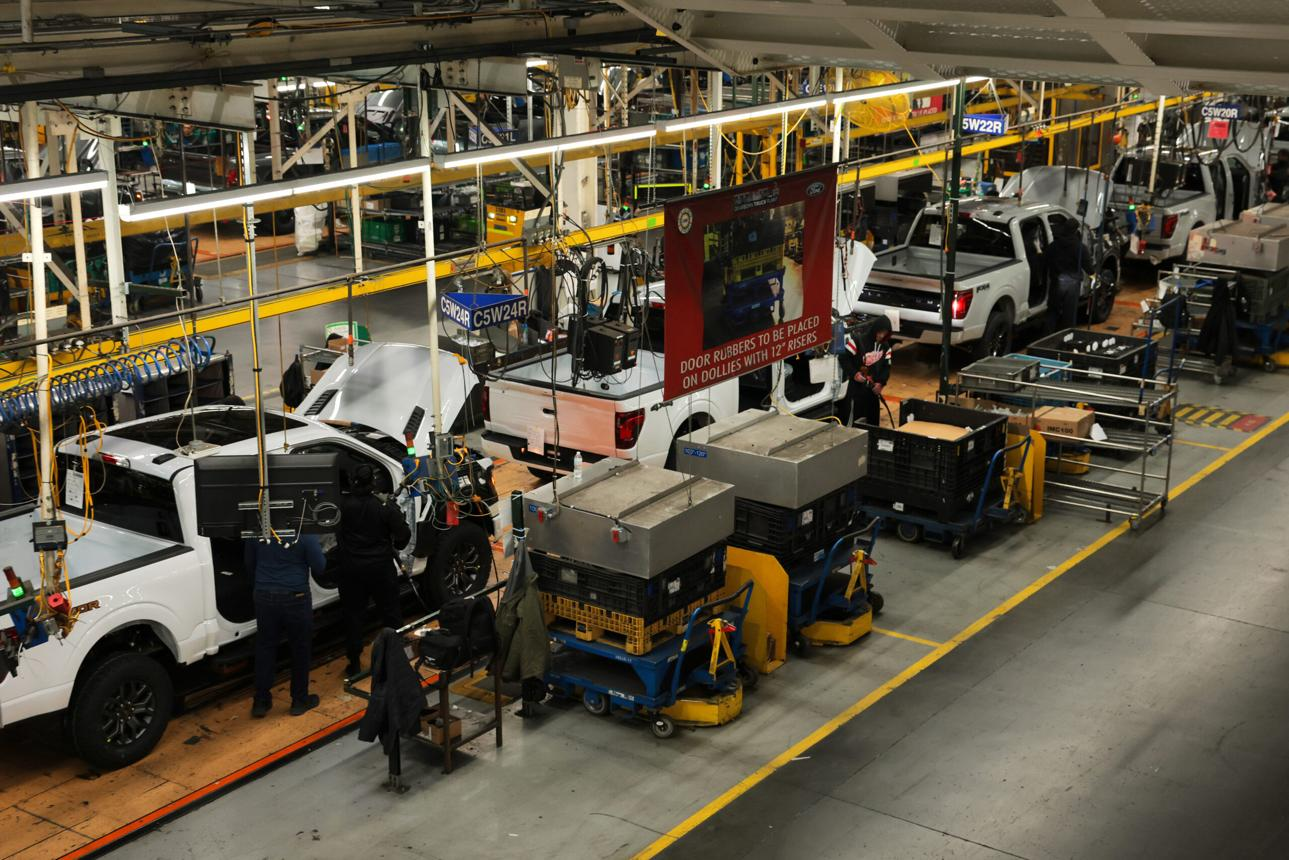
Supporters of the strategy point out that many Black families historically found pathways into the middle class through unionized factory jobs, especially in the automotive sector. Manufacturing careers often provided wages and benefits that exceeded those available in many service-sector positions, helping generations of workers purchase homes, raise families, and build wealth.
Yet promises alone are not jobs.
Labor advocates note that Black unemployment remains significantly higher than the national average and has increased compared to levels seen at the start of Trump’s current term. Some economists also question whether tariffs alone can bring back enough manufacturing jobs to significantly transform employment opportunities nationwide.
Skeptics additionally point to past promises about manufacturing revivals that failed to fully materialize. Auto workers and labor leaders in several Midwestern states have expressed frustration over factory closures, layoffs, and production moving overseas despite years of political pledges from both parties to reverse the trend.
Still, Trump’s message is likely to resonate with many voters who remember an era when factory work served as a reliable ladder into the middle class. Whether the administration can translate rhetoric into large-scale job creation remains one of the biggest economic questions heading into the second half of 2026.
For Black workers in cities that once thrived on manufacturing, the promise is straightforward: if the factories return, the jobs should return with them. The challenge now is proving that those jobs will arrive in the numbers being promised.
—Kerry Hill, B1Daily





Leave a comment