—Andre Carter, B1Daily
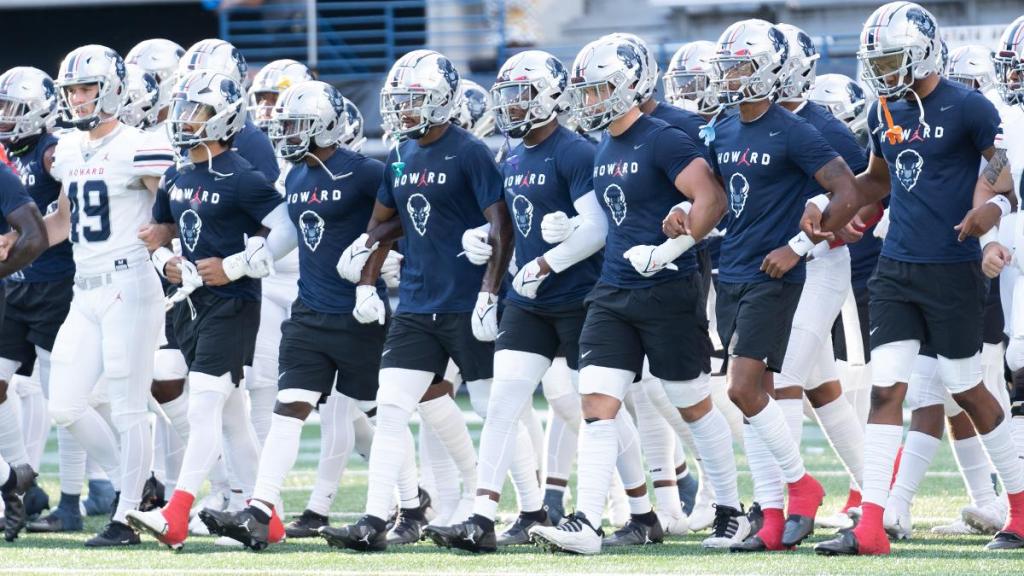
HBCU football has never lacked talent, tradition, or cultural impact. What it has often lacked, according to many coaches, players, and fans, is consistent national respect. Despite producing NFL legends, electric game-day atmospheres, and some of the most passionate fanbases in college sports, Historically Black Colleges and Universities still find themselves fighting for visibility in a landscape dominated by Power Five conferences.
The question today is no longer whether HBCU football matters. It clearly does. The real question is whether the broader college football ecosystem is ready to treat it that way.
For decades, HBCU programs like Grambling State, Howard, Jackson State, Florida A&M, Southern, and North Carolina A&T built dynasties that shaped the sport itself. Legends such as Doug Williams, Walter Payton, Jerry Rice, Steve McNair, and Shannon Sharpe all came through HBCU systems before becoming household names at the professional level. The pipeline is undeniable. The recognition, however, has often lagged behind.
In recent years, HBCU football has experienced a resurgence in attention, partly fueled by high-profile coaching moves and media coverage. The arrival of Deion Sanders at Jackson State marked a cultural reset, pulling national cameras, recruits, and NFL scouts into spaces that had long been overlooked. Even after his departure, the ripple effect remains visible across recruiting conversations and broadcast interest.
Still, visibility is not the same as equity.
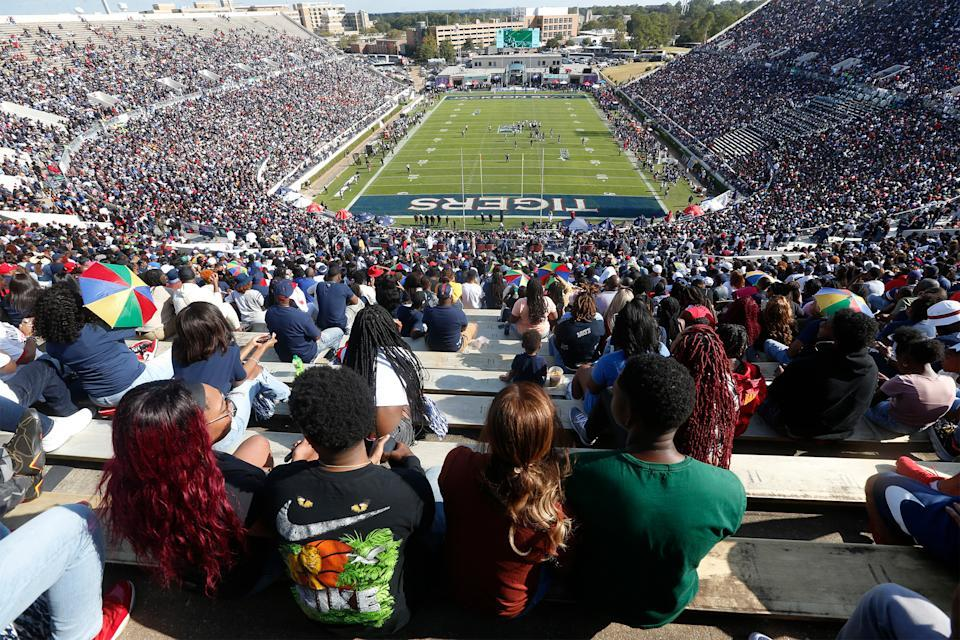
One of the central challenges facing HBCU football is resource disparity. Facilities, recruiting budgets, travel funding, and media exposure often pale in comparison to larger programs. While elite recruits are increasingly considering HBCUs again, many are still drawn to schools that offer larger NIL opportunities, bigger stadiums, and more televised games.
Another factor is scheduling. HBCU programs frequently struggle to secure non-conference games against Power Five opponents, limiting opportunities to prove themselves on national stages. Without those matchups, rankings and playoff conversations remain largely out of reach, reinforcing a cycle of invisibility.
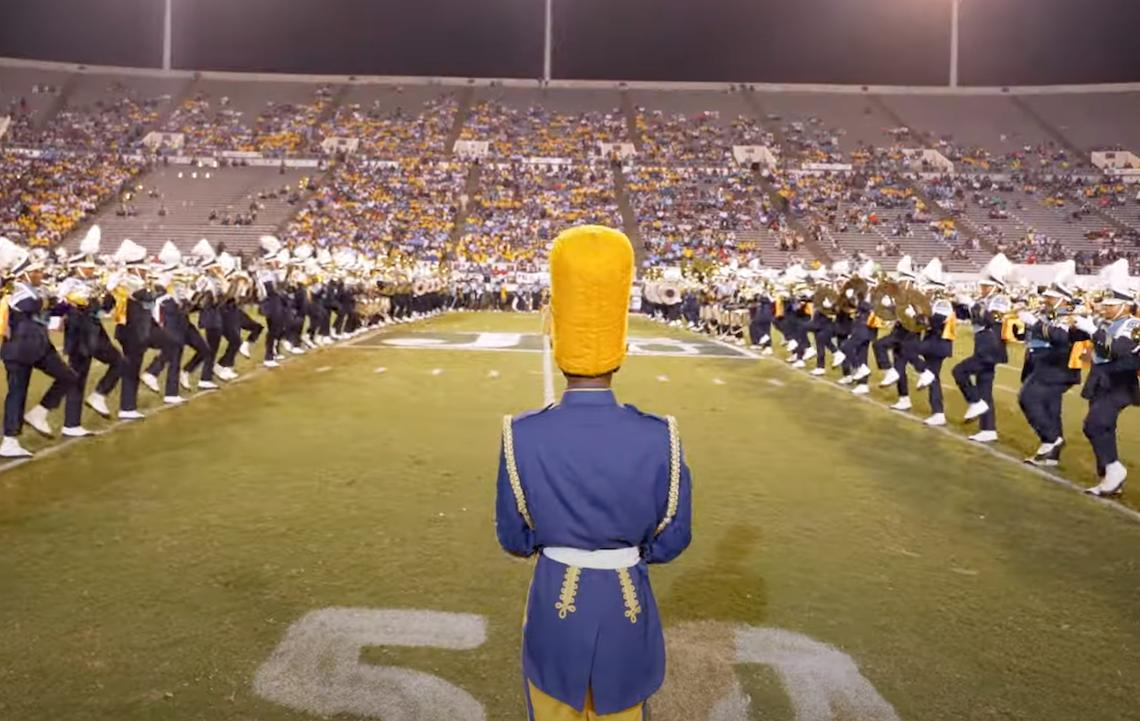
Yet the argument for respect does not rely solely on comparison. HBCU football has its own identity, rhythm, and cultural footprint. From the marching bands to the rivalries to the homecoming traditions, the experience is uniquely American. Events like the Bayou Classic and Celebration Bowl are not just games; they are cultural institutions that draw national attention every year.
The Celebration Bowl, in particular, has become a symbolic championship for HBCU football, giving programs in the SWAC and MEAC a national spotlight. While it does not carry College Football Playoff implications, it represents something arguably more important: recognition of excellence within a historically underrepresented system.
The rise of NIL (Name, Image, and Likeness) has also introduced a new layer to the conversation. In theory, NIL could help level the playing field by allowing HBCU athletes to earn compensation and build personal brands. In practice, however, larger programs still dominate the NIL landscape due to donor networks and corporate partnerships.
Despite these obstacles, momentum is building. More HBCU games are being televised. Recruiting classes are becoming more competitive. And NFL scouts continue to show that elite talent can come from anywhere, including schools that are too often overlooked in preseason rankings.
The respect question may ultimately come down to a shift in perception rather than performance. HBCU football has already proven it can produce talent and excitement. What it is still fighting for is sustained inclusion in the national conversation.
So will HBCU football ever receive the respect it deserves?
The answer may depend less on whether the programs change, and more on whether the rest of college football finally learns to see what has been there all along.
—Andre Carter, B1Daily


Leave a comment