—Barrington Williams, B1Daily
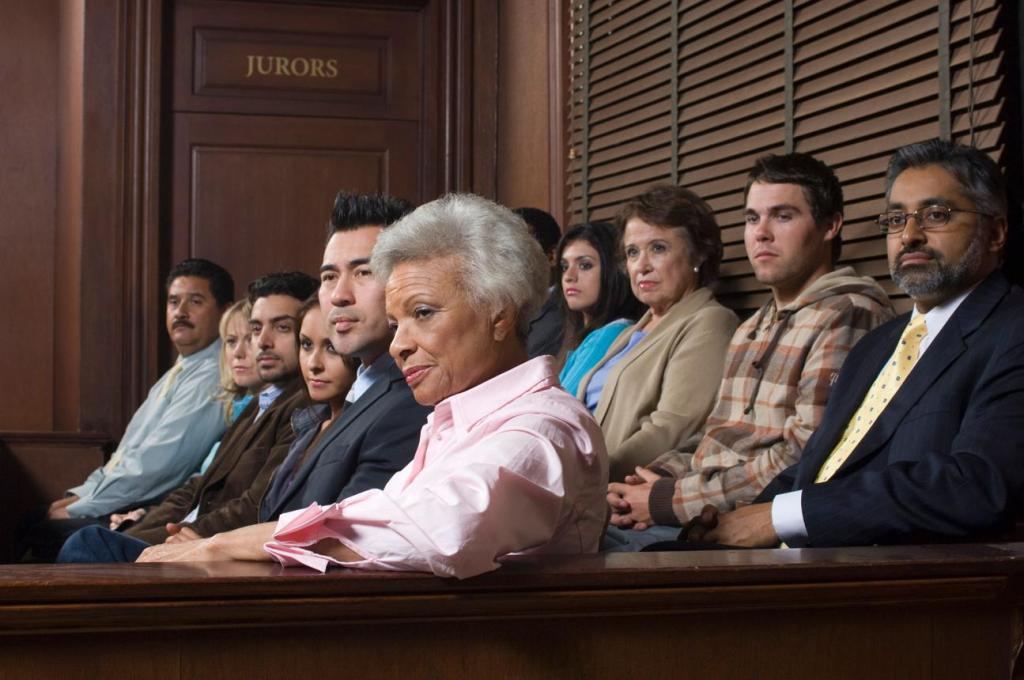
American courtrooms have claimed to operate under the principle that justice is blind. Yet the realities in the legal system is that Black citizens continue to face disproportionate exclusion from jury service through the use of peremptory strikes and other jury-selection practices.
While the Supreme Court has repeatedly condemned racial discrimination in jury selection, the persistence of the problem raises an uncomfortable question: if the practice continues decade after decade, are the existing safeguards actually working?
The answer appears increasingly clear. They are not.
The Constitution promises equal protection under the Fourteenth Amendment. The Sixth Amendment guarantees the right to a fair trial before an impartial jury. These protections were never intended to be empty slogans. They were designed to ensure that courts reflected the communities they serve and that justice would not be shaped by racial prejudice.
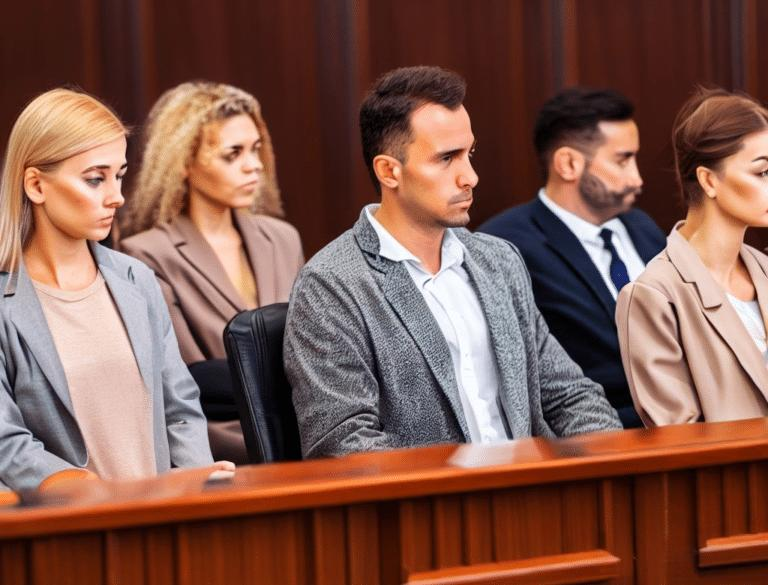
Yet in courtrooms across America, attorneys still possess broad authority to remove potential jurors through peremptory challenges. Officially, race cannot be the reason. Yet White prosecutors routinely strike down Black jurors in an clear attempt to rig trials in favor of the state over Black defendants.
In reality, lawyers often provide race-neutral explanations that are difficult to challenge and even harder to disprove. A juror may be excluded because of their neighborhood, employment, demeanor, body language, hairstyle, educational background, or countless other subjective factors. While these reasons may appear neutral on paper, critics argue they frequently function as a legal smokescreen for racial exclusion.
The result is a system that too often produces juries that fail to reflect the diversity of the communities from which they are drawn.
This should alarm anyone who values constitutional government.
The Supreme Court’s landmark decision in Batson v. Kentucky was supposed to be a turning point. The Court recognized that excluding jurors because of race violated the Equal Protection Clause and undermined public confidence in the justice system. But decades later, courts continue to wrestle with allegations of discriminatory jury selection. The persistence of these claims suggests that Batson, while important, has not fully solved the problem.
A constitutional right that cannot be effectively enforced risks becoming little more than a legal fiction.
The damage extends far beyond individual cases. When Black citizens are systematically underrepresented on juries, entire communities may begin to view the legal system as fundamentally unfair. Public trust erodes. Confidence in verdicts weakens. Victims question outcomes. Defendants question outcomes. Communities question outcomes.
Justice depends not only on fairness but also on the appearance of fairness.
Supporters of stronger reforms argue that the solution is straightforward. States should significantly restrict peremptory challenges or eliminate them altogether. Courts should adopt stricter standards for reviewing jury strikes. Judges should have oversight panels monitoring their actions in court and also be required to closely scrutinize explanations that disproportionately remove minority jurors. Statistical patterns of exclusion should trigger heightened judicial review. Repeat offenders should face meaningful professional consequences.
These reforms are not radical. They are consistent with the Constitution’s promise of equal treatment under the law.
The argument is simple: if a legal tool repeatedly produces racially skewed results, lawmakers and courts have a duty to reevaluate that tool. Constitutional rights should not depend on whether someone can expose hidden motives buried beneath carefully crafted legal explanations.
America has spent decades acknowledging the history of racial discrimination in jury selection. The challenge now is confronting the present.
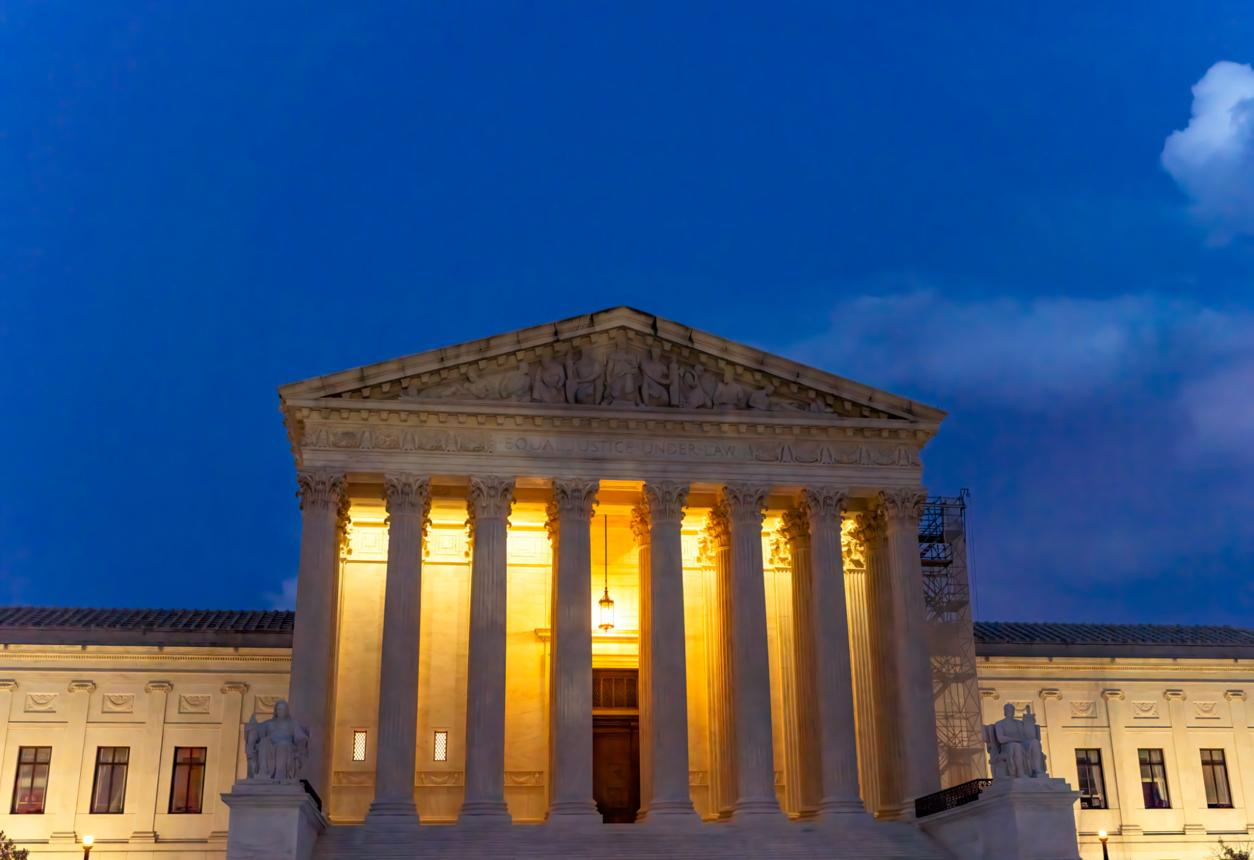
A courtroom cannot truly represent the people if entire segments of the population can be quietly pushed aside before the trial even begins. The Constitution does not merely prohibit overt discrimination. It demands equal justice under law.
That promise becomes hollow when jury boxes do not reflect the communities outside the courthouse doors.
If the nation is serious about protecting constitutional rights, then stronger restrictions on the exclusion of Black jurors are not merely desirable. They are necessary. Equal protection requires it. Public confidence demands it. And the legitimacy of the American justice system may depend on it.
—Barrington Williams, B1Daily



Leave a comment