—Sylvester Loving, B1Daily
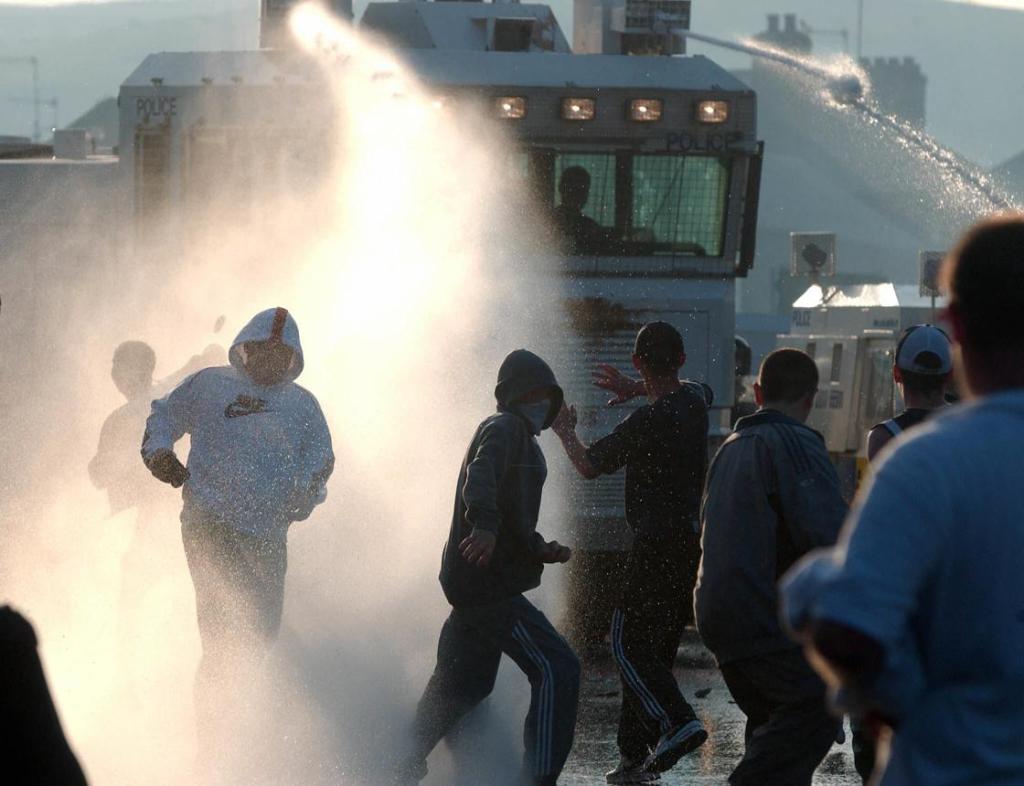
Belfast has once again found itself at the center of international attention after days of violent unrest erupted across parts of Northern Ireland, exposing simmering tensions over immigration, national identity, public safety, and economic frustration. What began as outrage following a high-profile stabbing incident quickly escalated into some of the most serious disorder the region has witnessed in years.
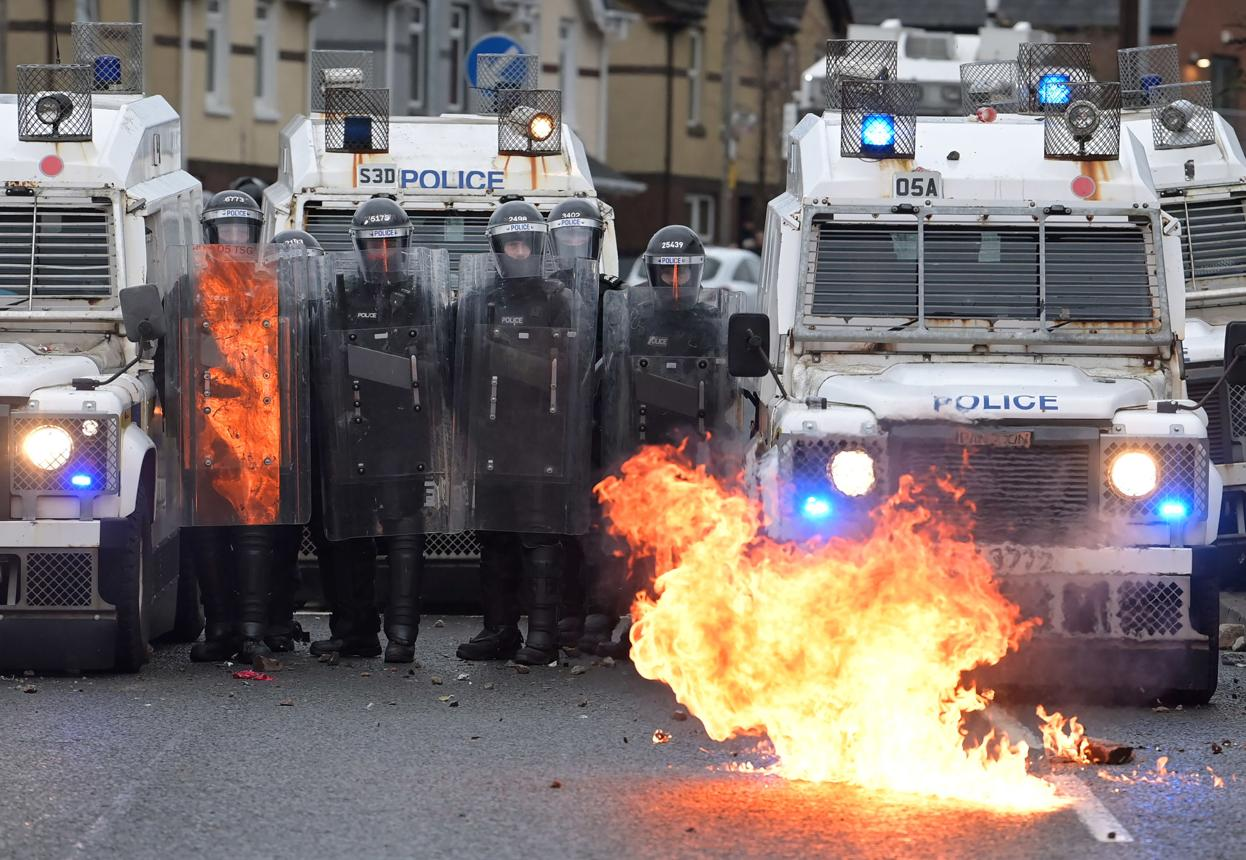
The unrest was triggered after a Sudanese asylum seeker was charged in connection with a stabbing that left a local resident seriously injured. As news of the arrest spread, demonstrations rapidly formed in several neighborhoods. Within hours, protests gave way to riots, with vehicles set ablaze, homes attacked, businesses damaged, and police officers coming under sustained assault from projectiles and incendiary devices.
For many observers, the riots were not simply about one criminal case. Instead, the violence revealed deeper frustrations that have been building for years. Rising immigration, housing shortages, pressure on public services, and economic uncertainty have fueled growing resentment among segments of the population who believe political leaders have failed to address their concerns.
Northern Ireland has historically experienced lower levels of immigration than many parts of England, making demographic changes more noticeable in certain communities. Critics of government immigration policies argue that local infrastructure has struggled to keep pace with population growth. Supporters of immigration counter that newcomers contribute to the economy and that migrants are being unfairly blamed for broader social and economic problems.
As the riots intensified, minority ethnic communities found themselves directly in the crosshairs. Several families reportedly fled their homes under police protection after threats and attacks targeted areas perceived to have large immigrant populations. Human rights organizations condemned the violence, describing it as an attack on vulnerable residents rather than a legitimate expression of political frustration.
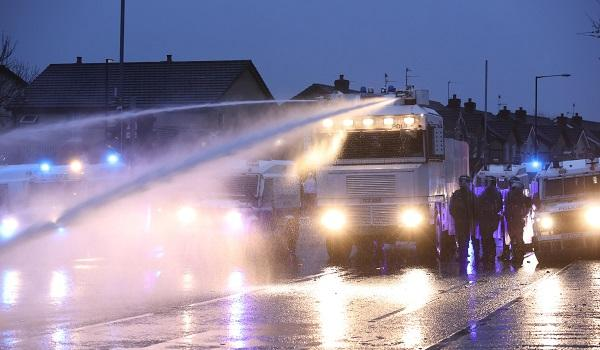
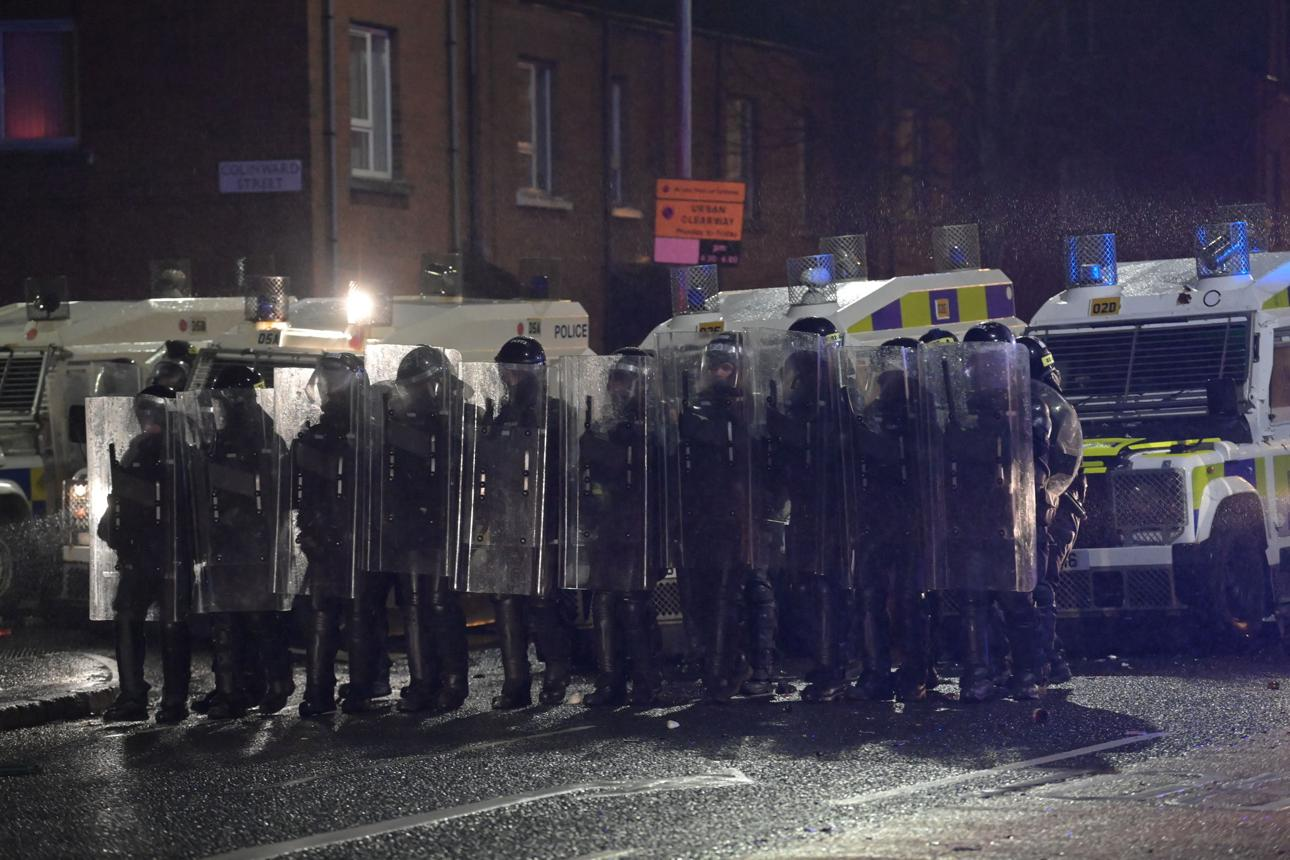
The Police Service of Northern Ireland deployed significant resources to contain the unrest. Riot squads, armored vehicles, and water cannons were deployed as officers faced repeated attacks. Numerous arrests were made, and authorities warned that additional prosecutions would follow as investigators reviewed extensive video footage from the disturbances.
Political leaders across Northern Ireland issued rare unified condemnations of the violence. Unionist and nationalist politicians alike described the attacks as criminal behavior that endangered communities and undermined legitimate democratic debate. Calls for calm were echoed by community organizations, religious leaders, and even relatives connected to the original stabbing incident, who urged the public not to use the case as justification for retaliatory violence.
The riots have also reignited concerns about the role of social media in modern civil unrest. Investigators are examining whether misinformation, rumors, and inflammatory content circulated online helped fuel tensions. Similar concerns have emerged across Europe in recent years, where isolated crimes involving migrants have occasionally sparked broader anti-immigration demonstrations and unrest.
The events in Belfast are occurring against a larger European backdrop. Governments across the continent are grappling with heated debates over migration, asylum policies, border security, and national identity. From France and Germany to the Netherlands and the United Kingdom, political movements focused on immigration have gained momentum amid public concerns about economic competition, cultural integration, and public safety.
Yet the Belfast riots also reveal a difficult reality: when economic frustration, political polarization, and social media outrage collide, entire communities can become vulnerable to collective blame. Criminal acts committed by individuals often become the catalyst for anger directed at broader groups who had no involvement in the original incident.
As investigators continue their work and courts process those charged in connection with both the stabbing and the riots, Belfast faces a larger challenge. Restoring order may prove easier than rebuilding trust. The city now confronts questions that extend far beyond a single criminal case: How should governments balance immigration and public confidence? How can communities address legitimate concerns without descending into violence? And what lessons can be learned before similar tensions erupt elsewhere?
The answers will shape not only Belfast’s future, but potentially the future of immigration debates across the United Kingdom and Europe.
—Sylvester Loving, B1Daily



Leave a comment