—Vanessa Edwards, B1Daily
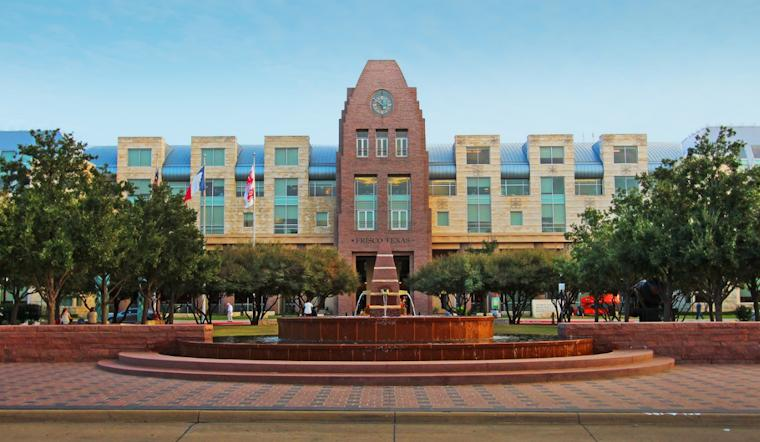
Frisco, Texas has become more than a city.
For many Black Americans, it has become a symbol.
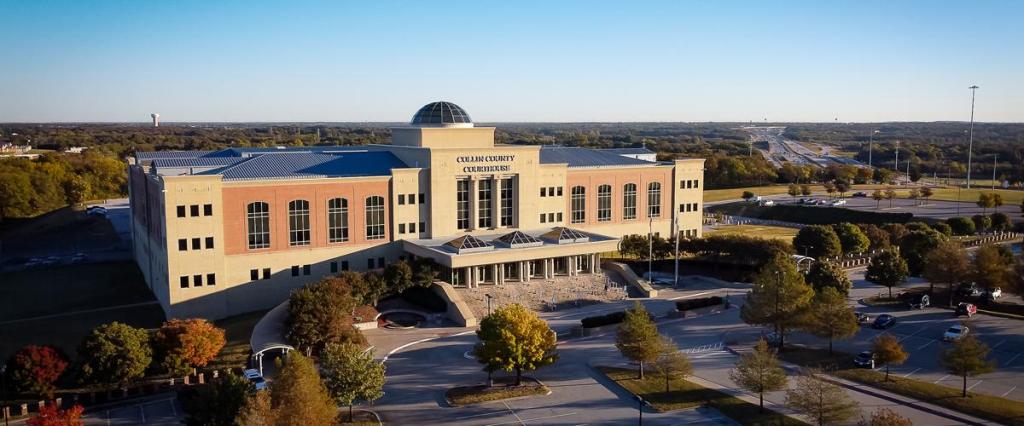
Over the past year, Frisco and neighboring Collin County have found themselves at the center of a series of controversies involving race, criminal justice, political extremism, and public demonstrations. While officials insist the legal system is operating fairly, critics argue that the events unfolding there reveal deeper problems that America still refuses to confront.
The most explosive controversy emerged from the prosecution of Karmelo Anthony, the Black teenager charged in the fatal stabbing of Austin Metcalf during a 2025 high school track meet. The case immediately became a national flashpoint, attracting activists, political influencers, and intense social media attention.
What particularly alarmed many civil rights advocates was the jury selection process.
According to reports, not a single Black juror ultimately served on the jury despite defense objections after prosecutors struck the remaining Black prospective jurors. The court accepted the prosecution’s explanation for those removals, but the outcome fueled concerns about representation and fairness in a case carrying enormous racial and political significance.
For many observers, the optics were impossible to ignore.
A Black defendant.
A white victim.
A nationally watched trial.
No Black jurors.
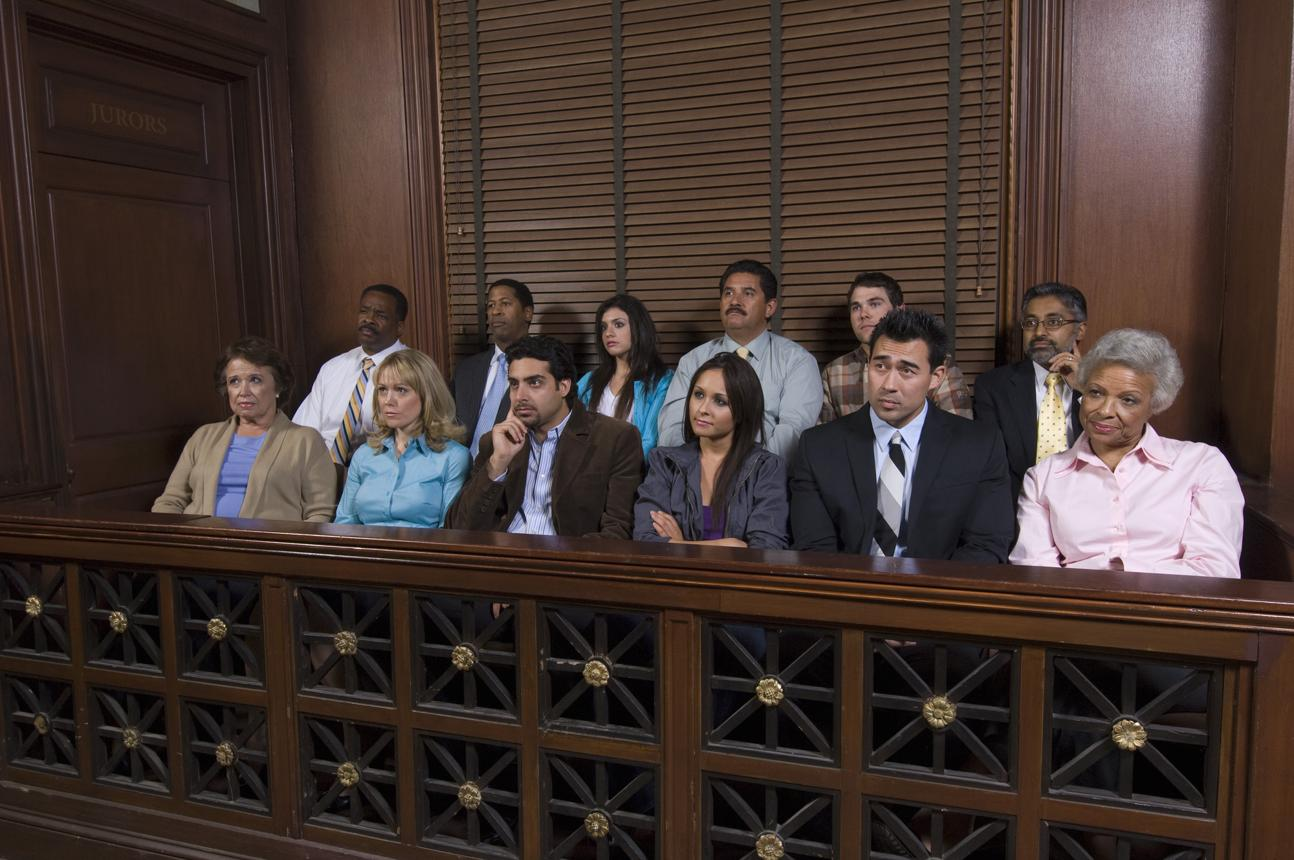
Whether one believes the jury selection process was legally proper or not, the result intensified concerns that Black citizens remain underrepresented in some of the most consequential proceedings affecting their communities.
The controversy did not stop there.
As the trial unfolded, demonstrations outside the courthouse drew attention from across the country. Among the most visible figures was pardoned January 6 participant Jake Lang, who became a fixture around the proceedings. Reports described inflammatory rhetoric, racial tensions, and clashes between demonstrators supporting different sides of the case. Some reports documented Lang carrying “White Lives Matter” messaging and directing inflammatory comments toward supporters of Anthony.
For Black residents watching these events unfold, the message felt familiar.
When Black people demand fairness, they are often told to trust the process.
Yet when racial tensions emerge, extremist voices frequently dominate headlines and public discourse.
The result is a growing perception that Black concerns are treated as secondary while provocative political actors command outsized attention.
Adding to the unease is the broader atmosphere that has surrounded several recent Frisco controversies. Public meetings regarding religious developments in the city have featured inflammatory comments and threats directed at minority communities. Reports have documented individuals making extreme statements toward elected officials and religious groups during public proceedings.
Viewed individually, each incident may appear isolated.
Viewed together, they paint a picture that many Black Americans find deeply troubling.
A justice system controversy involving race.
The exclusion of Black jurors from a highly publicized case.
Public demonstrations featuring racially charged rhetoric.
Political figures and activists openly escalating tensions.
None of this proves systemic discrimination on its own.
But it does explain why many people increasingly believe that something is wrong.
The heart of the issue is trust.
Justice systems do not function on verdicts alone. They function on legitimacy. Communities must believe they are receiving equal treatment under the law. When confidence erodes, every decision becomes suspect, every verdict becomes controversial, and every courtroom becomes another battleground in America’s ongoing struggle with race.
Frisco may insist that it is simply following the law.
That may be true.
But legality and legitimacy are not always the same thing.
The question facing Frisco is not whether officials can point to procedures and technical compliance. The question is whether all communities feel those procedures produce equal justice.
Because when large numbers of Black Americans look at what has happened in Frisco and see exclusion, unequal treatment, and racial polarization, dismissing those concerns will not make them disappear.
It will only deepen them.
And in a nation still wrestling with the legacy of race, that is a lesson America has learned before.
—Vanessa Edwards, B1Daily




Leave a comment