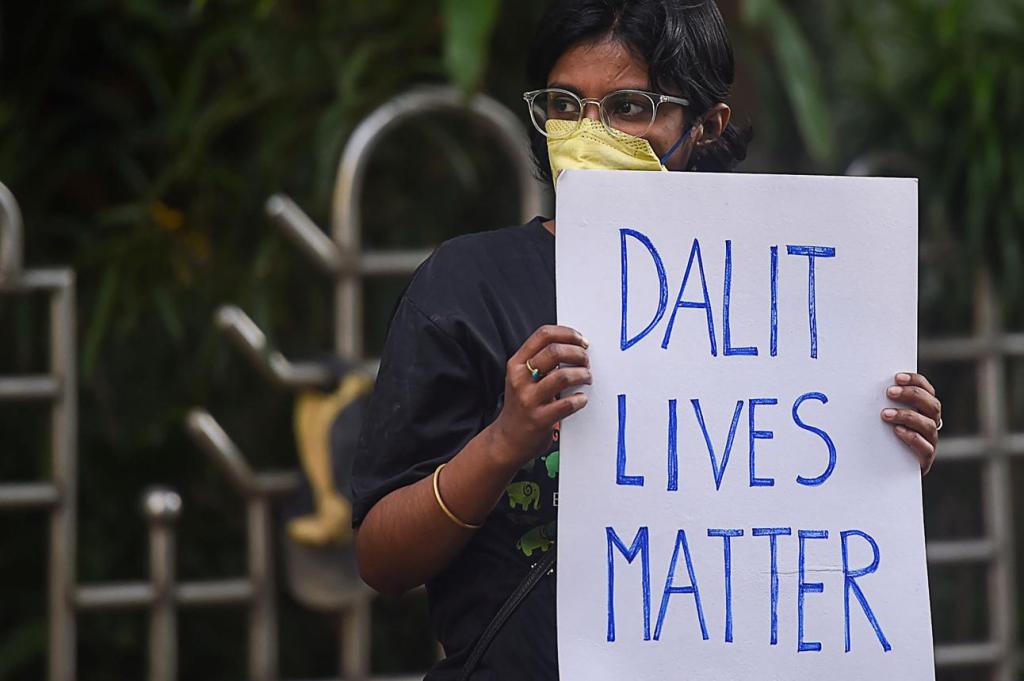
—Pratima Gadal, B1Daily
In the 21st century, humanity has mapped the human genome, built artificial intelligence, and sent spacecraft beyond the edges of the solar system.
Yet in parts of India, young people can still face violence, humiliation, and even death because of the caste into which they were born.
That reality should outrage anyone who believes in basic human dignity.
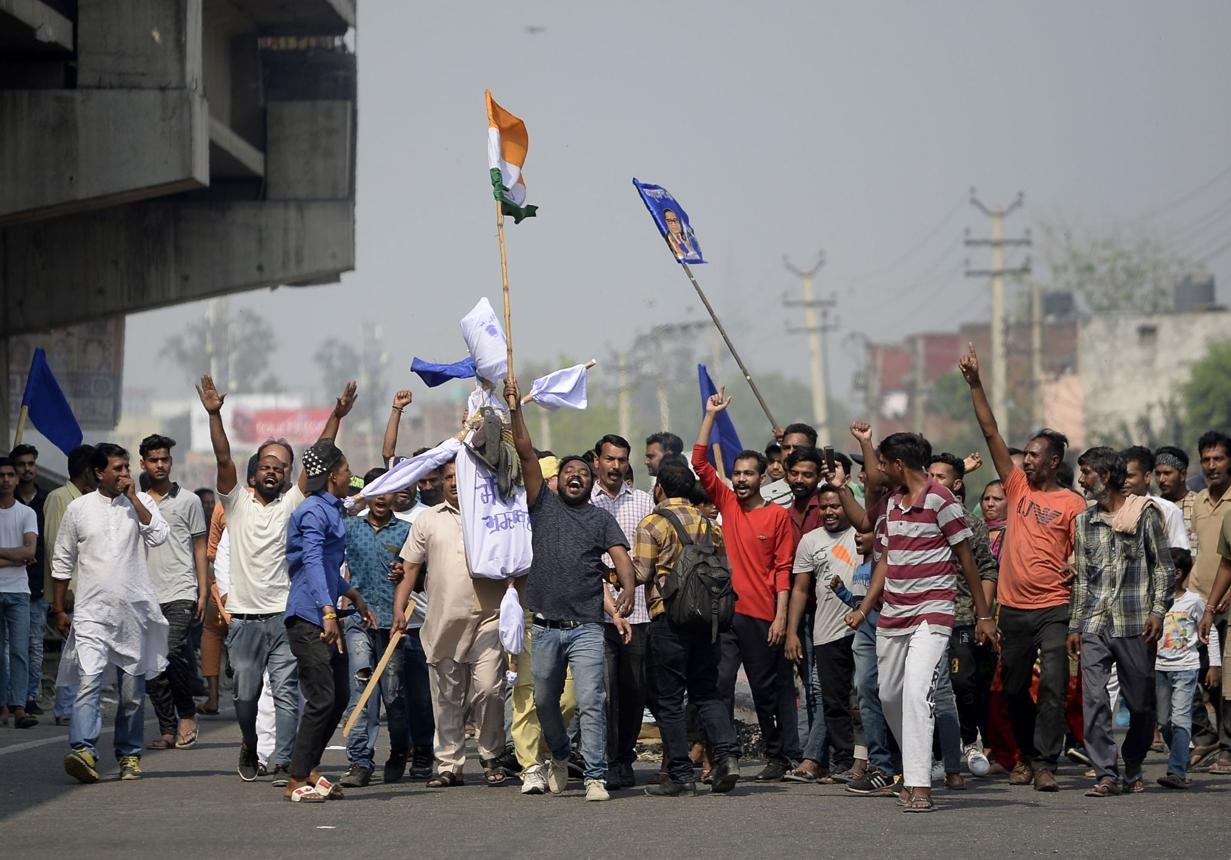
Across India, reports continue to emerge of Dalit teenagers and young adults being assaulted, murdered, or driven to suicide over disputes rooted in caste prejudice. Sometimes the conflict involves a romantic relationship that crosses caste lines. Sometimes it is a disagreement over access to land, water, education, or employment. Sometimes the alleged offense is simply refusing to accept a subordinate social status imposed by tradition.
The details vary.
The pattern does not.
Dalits, historically referred to as “untouchables,” have endured centuries of discrimination under a social hierarchy that assigned human worth based on birth rather than character. India’s constitution formally abolished untouchability decades ago and guarantees equal rights to all citizens. Yet legal equality and social reality are often separated by a painful distance.
The result is a contradiction that should trouble every democracy on Earth.
How can a nation that is a global technology powerhouse still struggle with a system that judges people by ancestry?
How can children born in the same country be treated as though some are inherently less valuable than others?
And how many more Dalit teenagers must die before the issue receives the urgency it deserves?
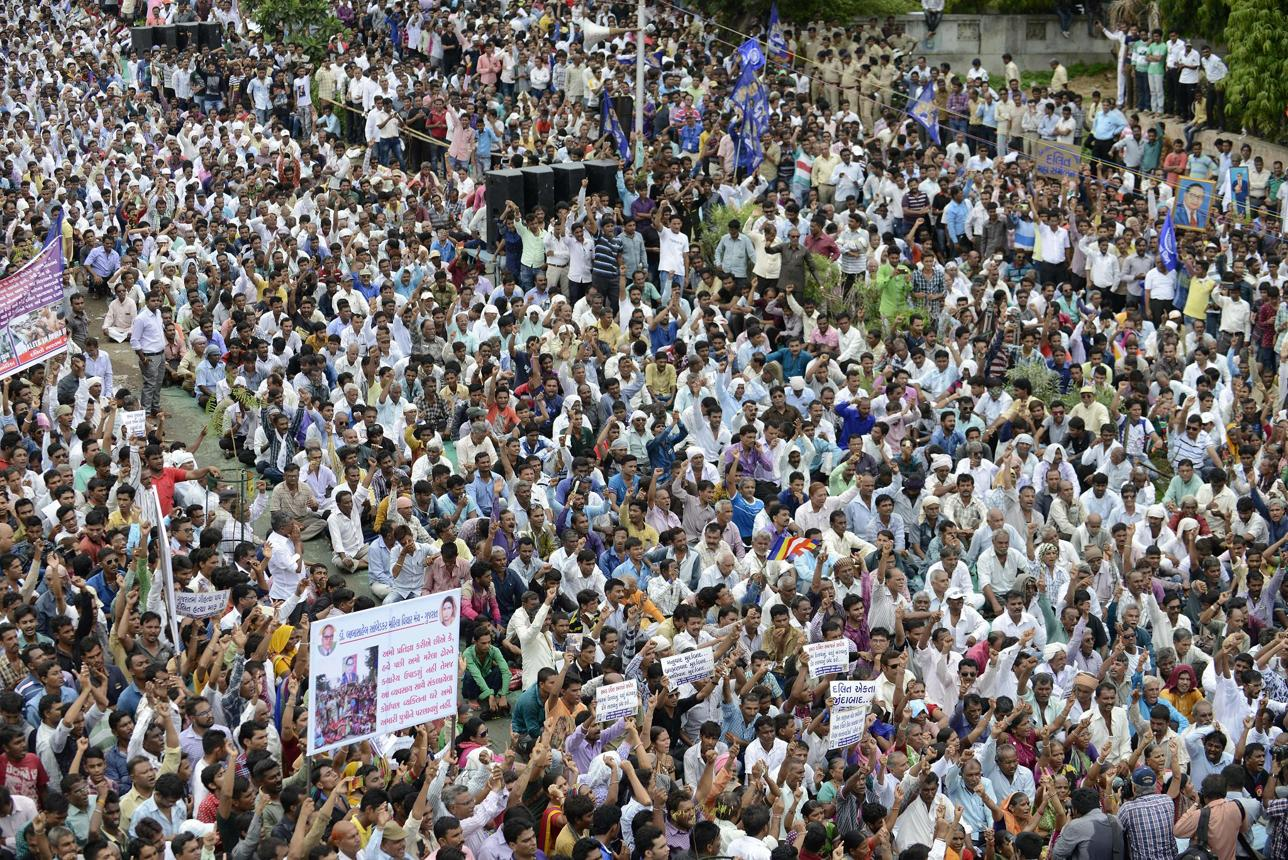
Defenders of the status quo often argue that caste discrimination is already illegal. Technically, they are correct. India has enacted numerous laws aimed at protecting Dalits and punishing caste-based atrocities.
But laws that exist on paper are meaningless if they fail to stop violence in practice.
The persistence of caste-related killings demonstrates that the problem is larger than legal language. It is cultural. It is institutional. It is political. And it remains deeply embedded in parts of society despite decades of reform efforts.
Every time a Dalit teenager is attacked for dating outside their caste, denied opportunity because of their birth, or killed in an act of caste hatred, the message being sent is chillingly clear: some lives are still viewed as less worthy than others.
That message has no place in a modern democracy.
The caste system belongs in the same historical graveyard as apartheid, racial segregation, and other systems built on inherited inequality. It is a relic of a world that measured human value through arbitrary social categories rather than individual merit.
No child chooses the family into which they are born.
No teenager chooses the social label assigned to them at birth.
And no civilized society should tolerate violence against people for circumstances they never chose.
The challenge facing India is not merely one of law enforcement. It is one of national identity.
Will the country fully embrace the principle that every citizen is equal, or will it continue allowing ancient hierarchies to shape modern lives?
The answer matters not only for Dalits but for the future of Indian democracy itself.
A nation cannot claim to be fully modern while millions remain trapped beneath invisible social ceilings.
A nation cannot celebrate progress while entire communities continue to fear violence rooted in caste prejudice.
And a nation cannot truly achieve equality while young people are still paying for the circumstances of their birth with their safety, their freedom, and in some cases, their lives.
The killing of Dalit youth is not simply a law-and-order problem.
It is a moral emergency.
The question is whether India’s political leaders, institutions, and society are prepared to treat it as one.
—Pratima Gadal, B1Daily


Leave a comment