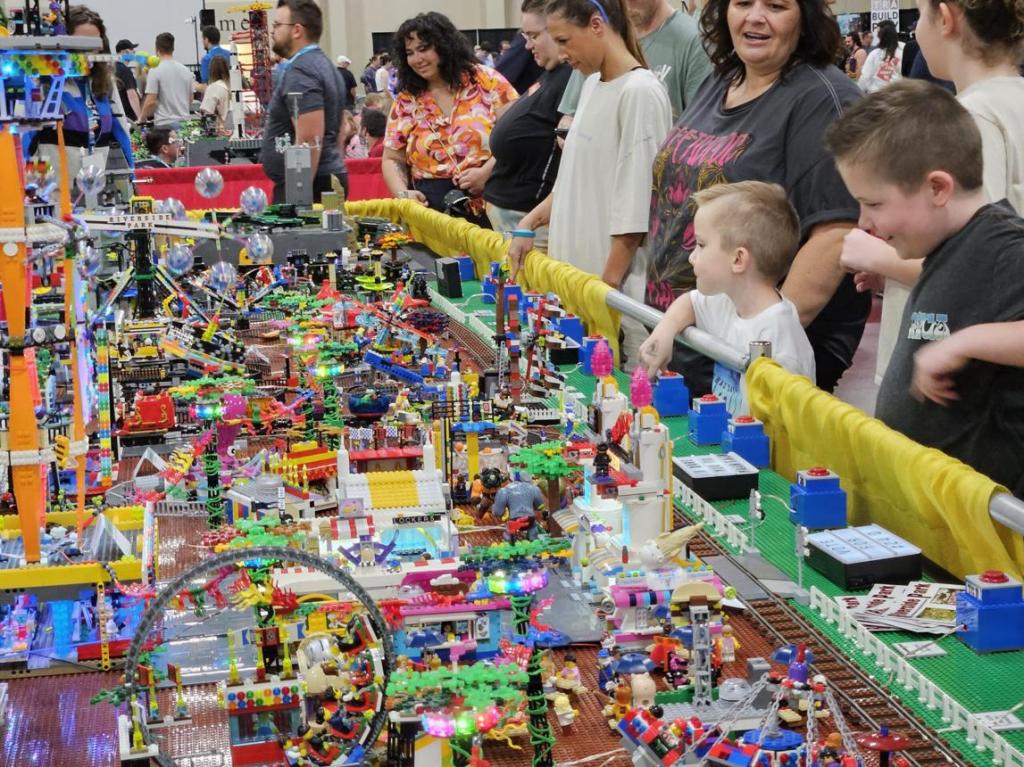
—Kel McKnight, B1Daily
The world of LEGO resale has always lived in a strange space between nostalgia, business, and obsession. But now, one of its most recognizable franchise-style marketplaces, Bricks and Minifigs, has found itself swept into a wave of controversy that collectors and customers are calling a “scandal” shaking confidence in the secondary toy economy.
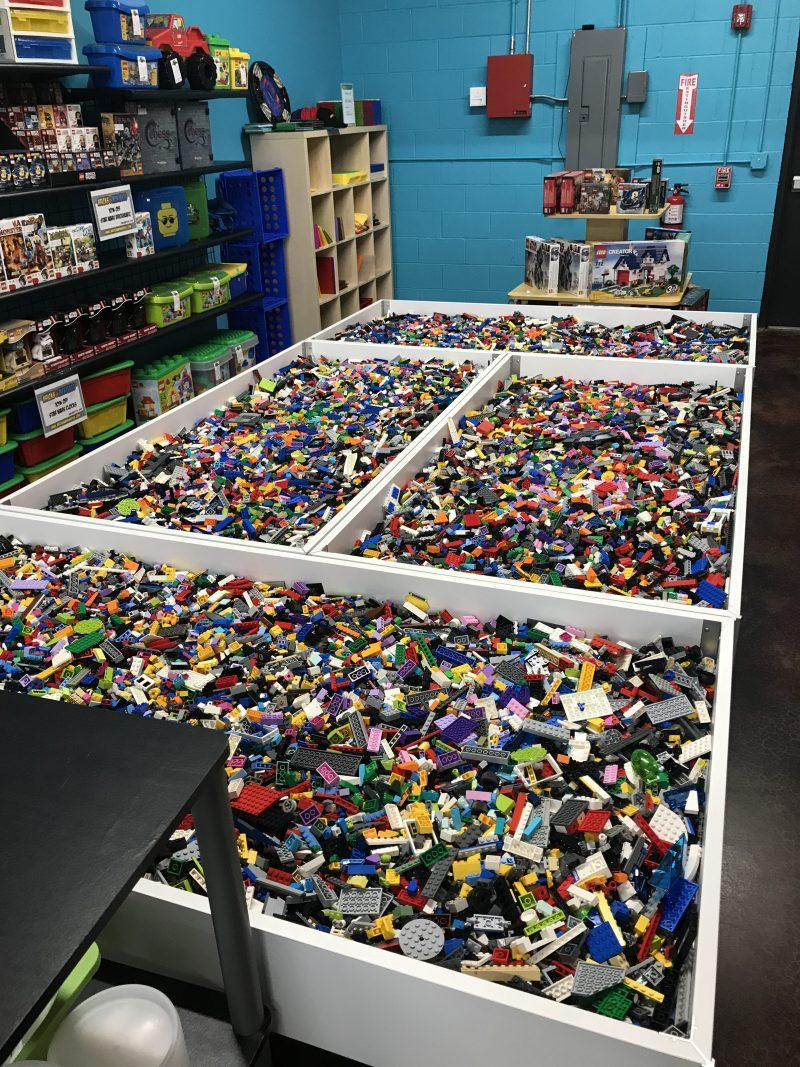
At the center of the discussion are allegations circulating across online communities involving pricing practices, product authenticity concerns, franchise consistency issues, and customer disputes that critics say reveal deeper structural problems in the booming used LEGO market.
Bricks and Minifigs locations operate as independently owned franchises that buy, sell, and trade LEGO sets and minifigures. For many fans, the stores are treasure hunts, offering rare pieces and discontinued sets that are difficult to find anywhere else. But as the popularity of the brand has grown, so too have questions about oversight, consistency, and transparency across locations.
Some customers allege that pricing can vary significantly between stores, even for identical items, leading to frustration among collectors who feel the market is becoming unpredictable and, at times, inflated. Others point to concerns about how sets are evaluated, with accusations that incomplete or modified sets are occasionally resold without clear disclosure.
In online forums and social media discussions, some collectors have gone further, suggesting that inconsistent grading standards for used sets and minifigures have created confusion in a hobby that relies heavily on trust and detail. While these claims vary widely in severity and are not uniformly verified, they have contributed to growing skepticism in parts of the LEGO fan community.
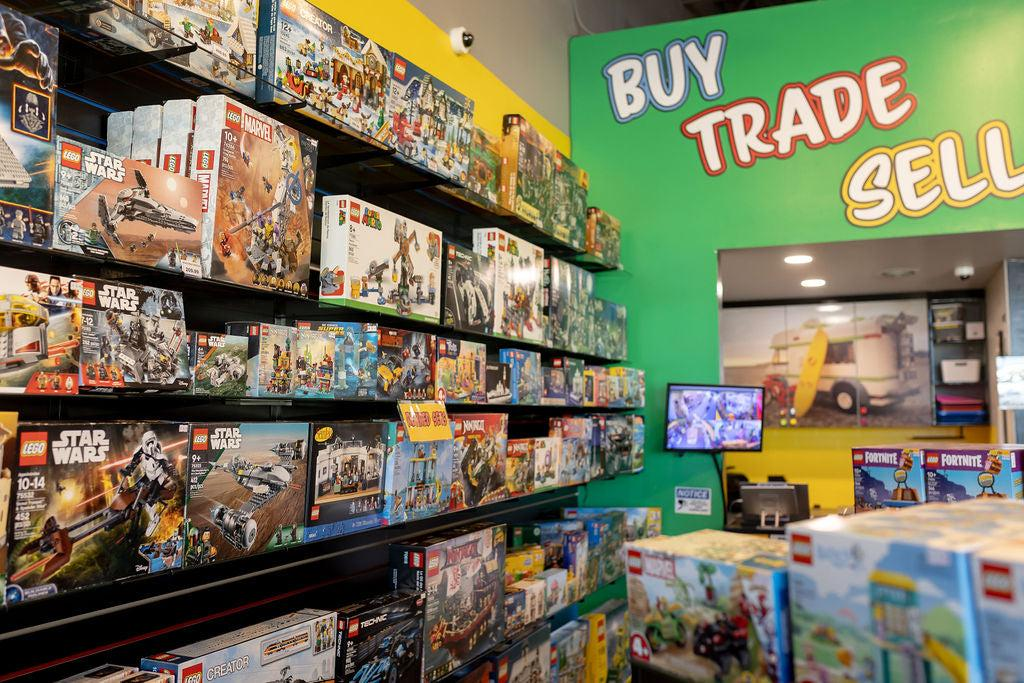
Franchise-based systems often face a familiar challenge: balancing independence with brand consistency. Because each location is locally owned, policies and practices can differ, even under a shared name. Supporters of the model argue that this flexibility allows small business owners to adapt to local markets and maintain inventory diversity that corporate retail chains cannot match.
Critics, however, say that without stricter centralized standards, customers are left navigating a patchwork system where expectations do not always match reality.
The controversy has also sparked a broader conversation about the exploding secondary market for collectible toys. Once a niche hobby, LEGO reselling has become a multi-million-dollar ecosystem driven by scarcity, nostalgia, and online demand. That growth has brought opportunity, but also tension between casual buyers, serious collectors, and resellers seeking profit margins in an increasingly competitive space.
For Bricks and Minifigs, the current wave of scrutiny represents both a challenge and a turning point. Brands built on trust and passion can weather controversy, but only if transparency and consistency are reinforced across every level of operation.
As the conversation continues online, one thing is clear: the LEGO resale world is no longer just about bricks and minifigures. It is about expectations, accountability, and the fragile trust that holds the entire marketplace together.
Whether the current backlash becomes a passing debate or a lasting reputational issue will depend on how the company and its franchise network respond in the months ahead.
—Kel McKnight, B1Daily






Leave a comment