–Barrington Williams, B1Daily
The prosecution of Karmelo Anthony has become one of the most controversial criminal cases in Texas.
But as debate continues over the trial, jury selection, and the self-defense claim, another issue has begun attracting attention: the past controversy involving the leadership of the Collin County District Attorney’s Office.
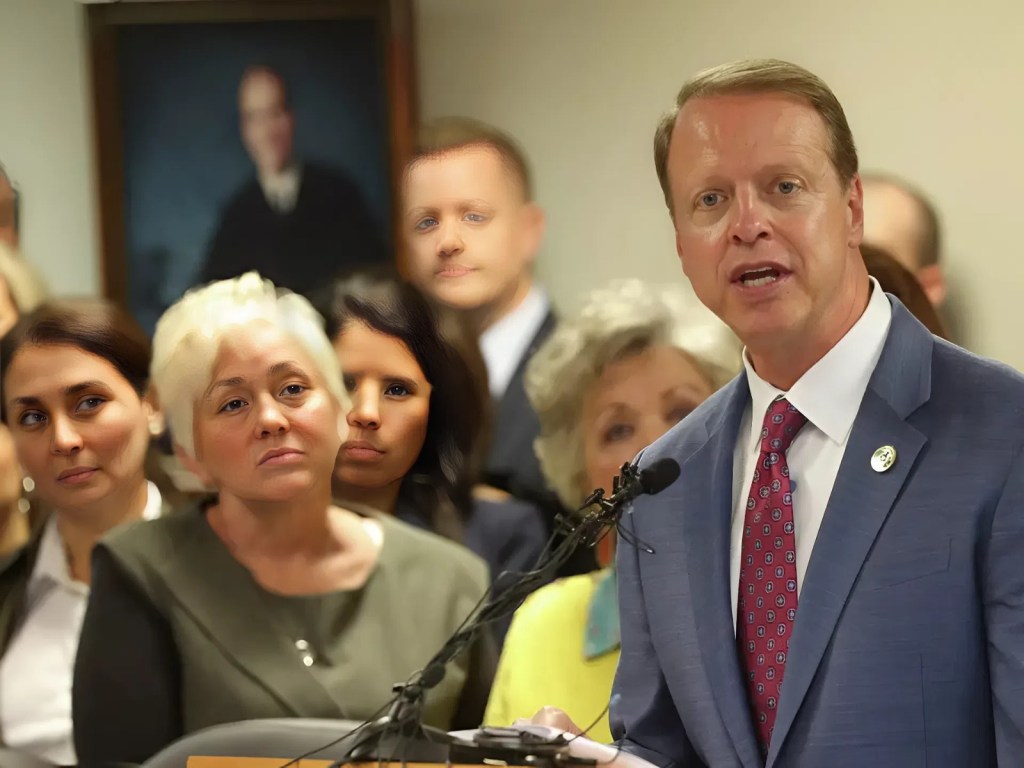
The office that prosecuted Anthony was led by Collin County District Attorney Greg Willis, whose administration became the subject of a major federal lawsuit alleging sexual harassment, discrimination, retaliation, and a toxic workplace culture.
In 2023, Collin County finalized a $1.75 million settlement involving six current and former employees who had filed suit against Willis, First Assistant District Attorney Bill Wirskye, and other county officials. The plaintiffs alleged a pattern of misconduct within the district attorney’s office and accused county leaders of failing to address it.
The allegations were serious.
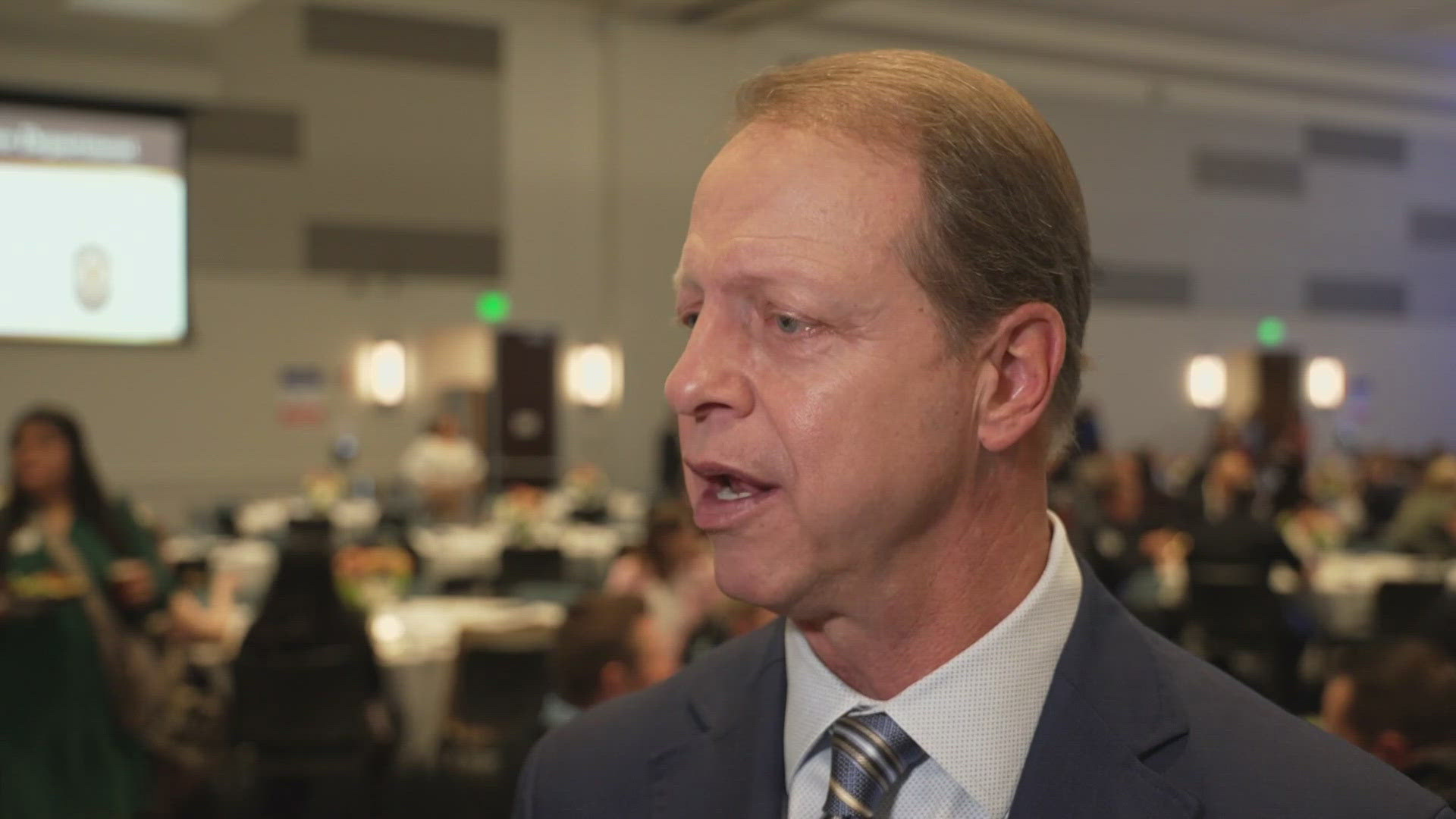
According to court filings, employees accused Willis of inappropriate comments, unwanted touching, and retaliation. The lawsuit also accused First Assistant District Attorney Bill Wirskye, one of the most senior prosecutors in the office, of fostering a hostile workplace and targeting female employees.
Willis and Wirskye denied the allegations.
Their attorneys argued that the claims were false, politically motivated, and brought by disgruntled employees. County officials likewise disputed the accusations.
Yet the settlement itself remains significant.
While settlements do not establish guilt and are often reached for practical reasons, the county’s insurance carrier ultimately paid $1.75 million to resolve the dispute. Multiple news organizations reported that the settlement followed extensive mediation and involved six plaintiffs from within the district attorney’s office.
That history raises broader questions about public confidence.
Prosecutors wield enormous power. They decide who gets charged, what plea offers are made, and how cases are presented to juries. Because of that authority, the public expects district attorneys’ offices to maintain the highest standards of professionalism and integrity.
When an office becomes embroiled in allegations of harassment, retaliation, and workplace misconduct, critics argue that public trust inevitably suffers, regardless of whether specific allegations are proven in court.
For supporters of Karmelo Anthony, the controversy has become part of a larger argument.
They point to concerns about jury selection, the exclusion of Black jurors, and the broader conduct of the prosecution. They argue that the prior allegations against senior officials in the district attorney’s office warrant greater examination of the office’s decision-making and culture.
Others reject that argument entirely.
They note that allegations in an unrelated workplace lawsuit have no direct bearing on the evidence presented in Anthony’s trial. They argue that the verdict should be evaluated based on the facts of the criminal case, not on separate disputes involving office management.
That distinction is important.
The settlement does not prove misconduct occurred. Nor does it invalidate any criminal conviction secured by the office.
But it does remain part of the public record.
And when a district attorney’s office that has faced allegations of harassment and retaliation later becomes the focus of a nationally watched prosecution, questions are inevitable.
The justice system depends not only on fairness, but on public confidence that fairness exists.
For many observers, the controversy surrounding the Collin County District Attorney’s Office has become another chapter in an already contentious debate about accountability, transparency, and trust in one of Texas’s most powerful prosecutorial institutions.
–Barrington Williams, B1Daily




Leave a comment