—Terrence Dorner, B1Daily
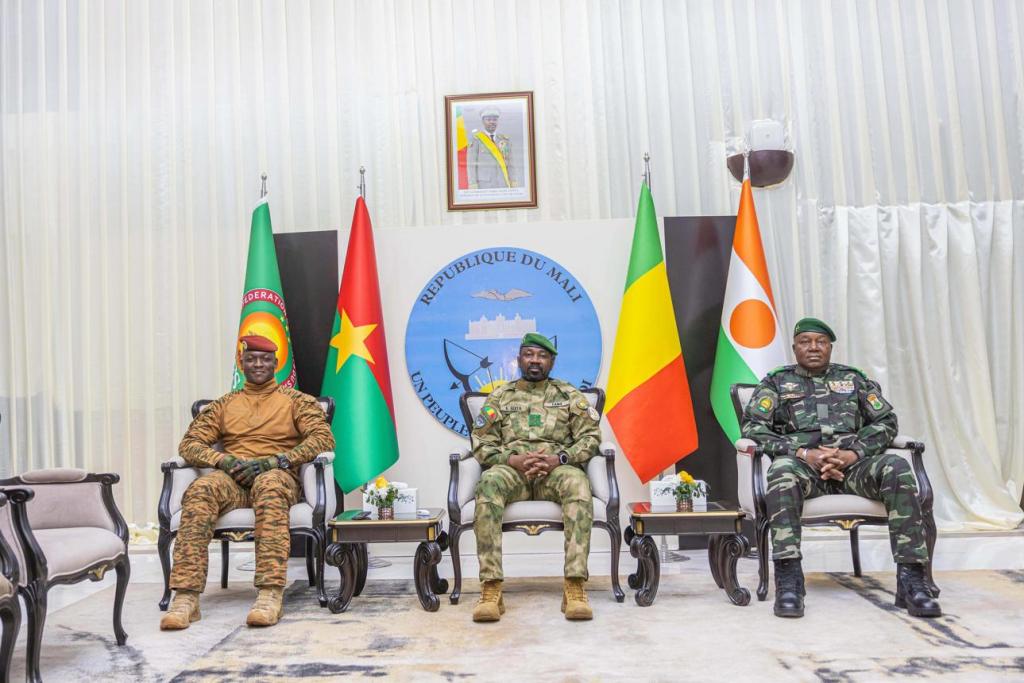
The nations of the Sahel are entering a new chapter in their history.
After years of growing dissatisfaction with foreign military partnerships and external influence, countries such as Mali, Burkina Faso, and Niger have moved toward a more independent security posture. Through the Alliance of Sahel States (AES), these governments have pledged to work together against the terrorist groups, insurgent networks, smugglers, and criminal organizations that have destabilized the region for more than a decade.
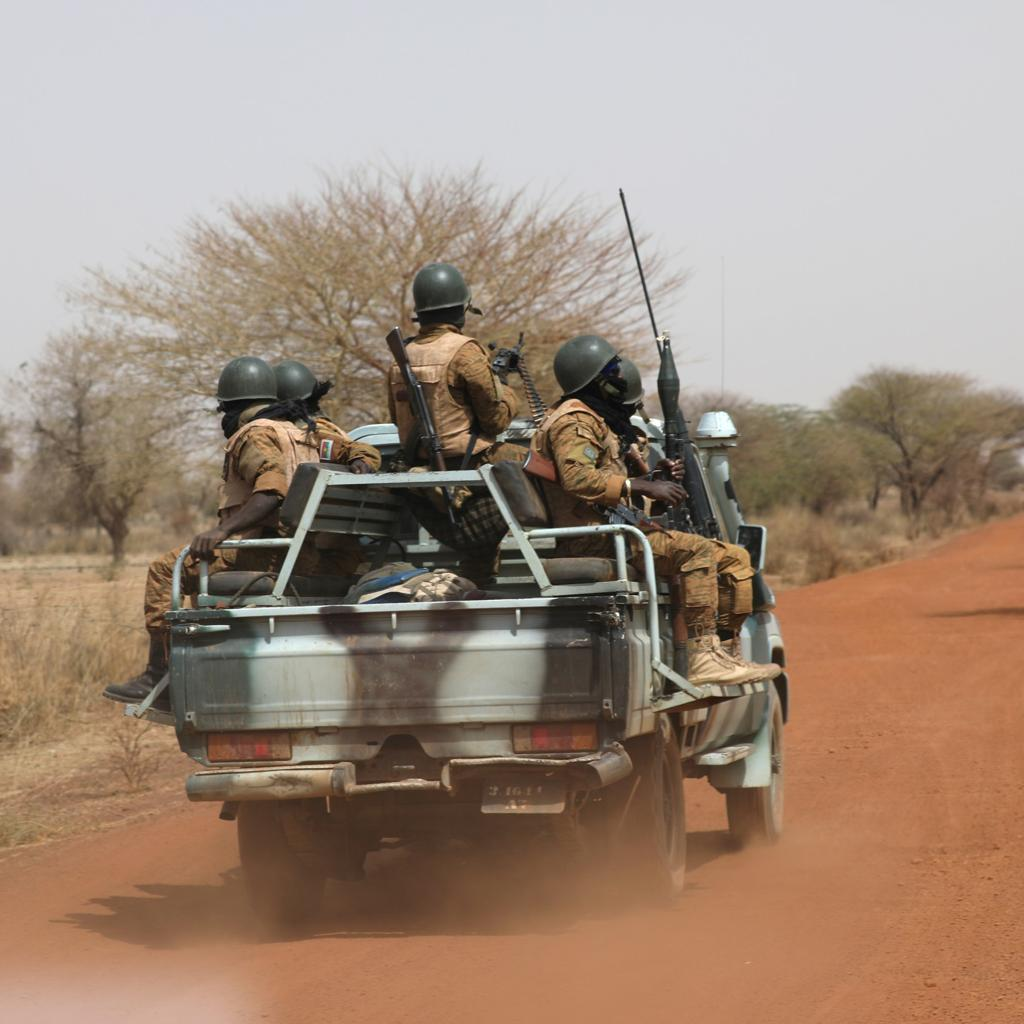
But political declarations alone do not stop armed groups.
Military readiness does.
If the Sahel’s new security architecture is going to succeed, the next major step must be the establishment of regular multinational war games designed specifically for border defense and coordinated military operations.
Military alliances are not tested during press conferences. They are tested during crises.
The reality facing the Sahel is that extremist organizations do not respect national borders. Fighters move across vast desert regions spanning thousands of miles. Smuggling routes stretch across multiple countries. Terrorist groups exploit gaps between jurisdictions, knowing that military forces often struggle to coordinate operations once a border is crossed.
A terrorist convoy fleeing Burkina Faso can move into Niger. Militants operating in Mali can seek refuge in remote border regions. Criminal networks routinely exploit weak coordination between neighboring security forces.
This is precisely why joint war gaming is critical.
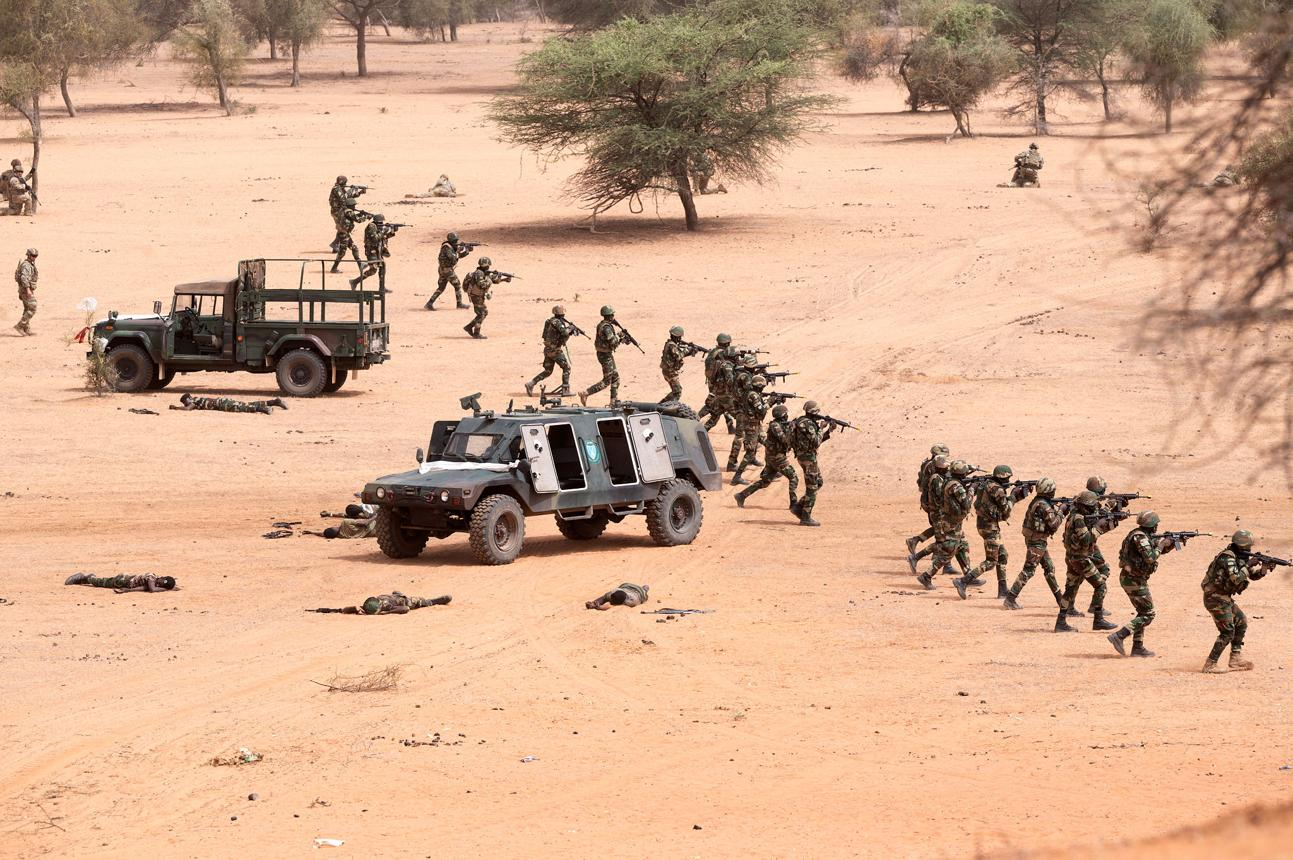
Military exercises allow commanders from different countries to learn how each other’s forces operate before a real crisis occurs. Communication procedures can be tested. Intelligence sharing systems can be refined. Logistics chains can be stress-tested. Air support coordination can be practiced. Border pursuit protocols can be developed.
These are lessons that cannot be learned effectively during combat.
Every successful military alliance in modern history has relied heavily on joint exercises. Soldiers must train together before they fight together.
The Sahel presents unique operational challenges that make such preparation even more important.
The region’s immense geography creates enormous logistical hurdles. Armored vehicles must operate across difficult terrain. Supply lines can stretch hundreds of miles. Communication systems often face limitations in remote areas. Weather conditions can rapidly change operational environments.
War games allow military planners to identify these weaknesses in peacetime rather than discovering them during a national emergency.
Joint exercises would also provide an opportunity to standardize equipment usage and operational procedures among AES members. Even relatively simple improvements in coordination can dramatically increase combat effectiveness.
A coordinated force operating as a single defensive network is often far stronger than three separate militaries acting independently.
Equally important is the psychological effect.
Terrorist organizations carefully monitor government capabilities. Public demonstrations of military cooperation send a message that hostile groups can no longer exploit national boundaries as safe havens. Every successful exercise increases deterrence by signaling that neighboring countries are prepared to respond collectively rather than individually.
The objective is not to prepare for war against neighboring states.
The objective is to prepare for collective defense against common threats.
Joint war games could focus on counterterrorism operations, border interdiction missions, convoy protection, intelligence integration, drone surveillance coordination, and rapid reaction deployments. These are the types of scenarios that reflect the actual security challenges facing the Sahel today.
The Alliance of Sahel States has already taken important steps toward greater military cooperation. The next challenge is transforming that cooperation from a political framework into a fully functioning security system.
History has repeatedly shown that alliances become effective when soldiers, officers, and commanders build trust through shared training and common experience.
The deserts of the Sahel are vast. The threats facing the region are mobile, adaptive, and persistent.
To secure their future, the region’s emerging military partnership must become more than a treaty.
It must become a practiced fighting force capable of defending every mile of its shared frontier.
—Terrence Dorner, B1Daily




Leave a comment