—Terrence Dorner, B1Daily
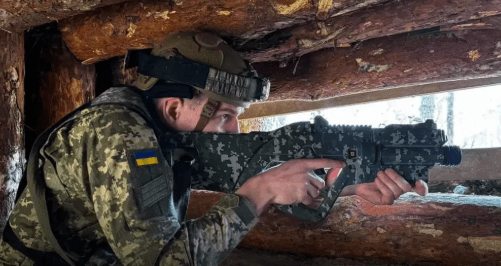
The West’s unwavering support for Ukraine has devolved into a costly, unwinnable slog, one defined by diminishing returns, logistical chaos, and geopolitical exhaustion.
Two years into full-scale war, the reality is undeniable: Ukraine cannot militarily reclaim all its occupied territories, yet Western leaders cling to the fantasy that endless arms shipments will somehow reverse Russian entrenchment.
It’s time to confront the uncomfortable truth. A negotiated partition, however imperfect, is the least catastrophic outcome and far wiser than fueling a war with no viable endgame.
The Logistics Nightmare
Modern warfare consumes resources at a staggering pace, and Ukraine’s campaign is no exception.
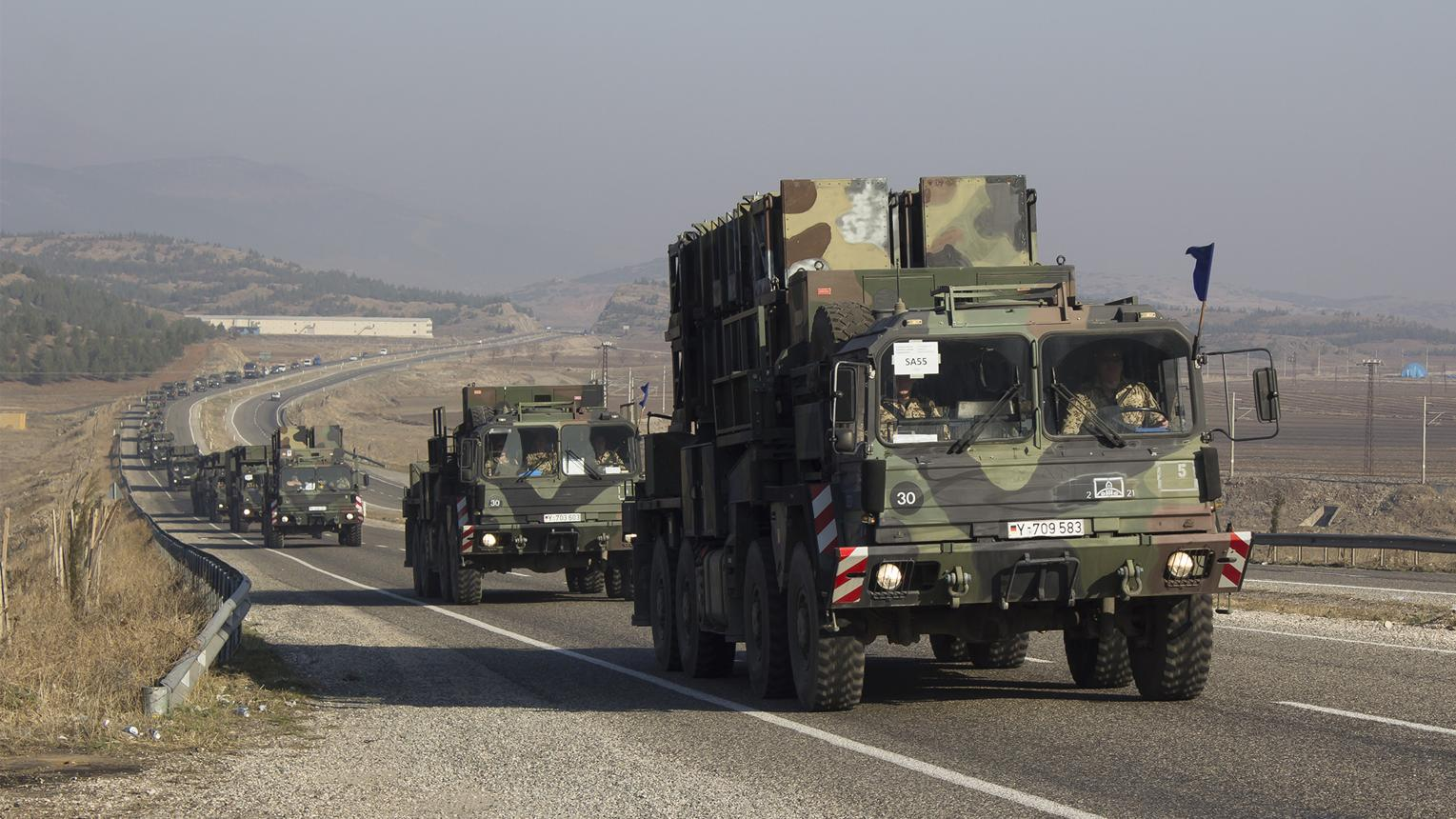
Western-supplied artillery barrels burn out after weeks of intense firing. Stockpiles of precision munitions, like HIMARS rockets, have been drained, forcing the U.S. to dig into contingency reserves meant for other conflicts. Meanwhile, Russia’s defense industry, though inefficient, operates under wartime mobilization, flooding the front with cheap drones, retrofitted tanks, and Soviet-era shells. The West’s ability to outproduce Russia in artillery, missiles, and armor is a myth. NATO stockpiles are finite; Putin’s willingness to sacrifice manpower is not.
Ukraine’s 2023 counteroffensive laid bare the logistical absurdity.
Despite billions in Western equipment, Kyiv’s forces advanced just miles, at the cost of catastrophic losses. Russian minefields, layered defenses, and loitering munitions turned the campaign into a meat grinder. No amount of F-16s or Abrams tanks will change the fact that Ukraine lacks the manpower and industrial base to sustain such attrition.
The Financial Black Hole
The U.S. alone has poured over $130 billion into Ukraine, more than its entire 2023 defense R&D budget. Europe’s contributions exceed €230 billion, straining economies already reeling from inflation.
For what? A stalemate.
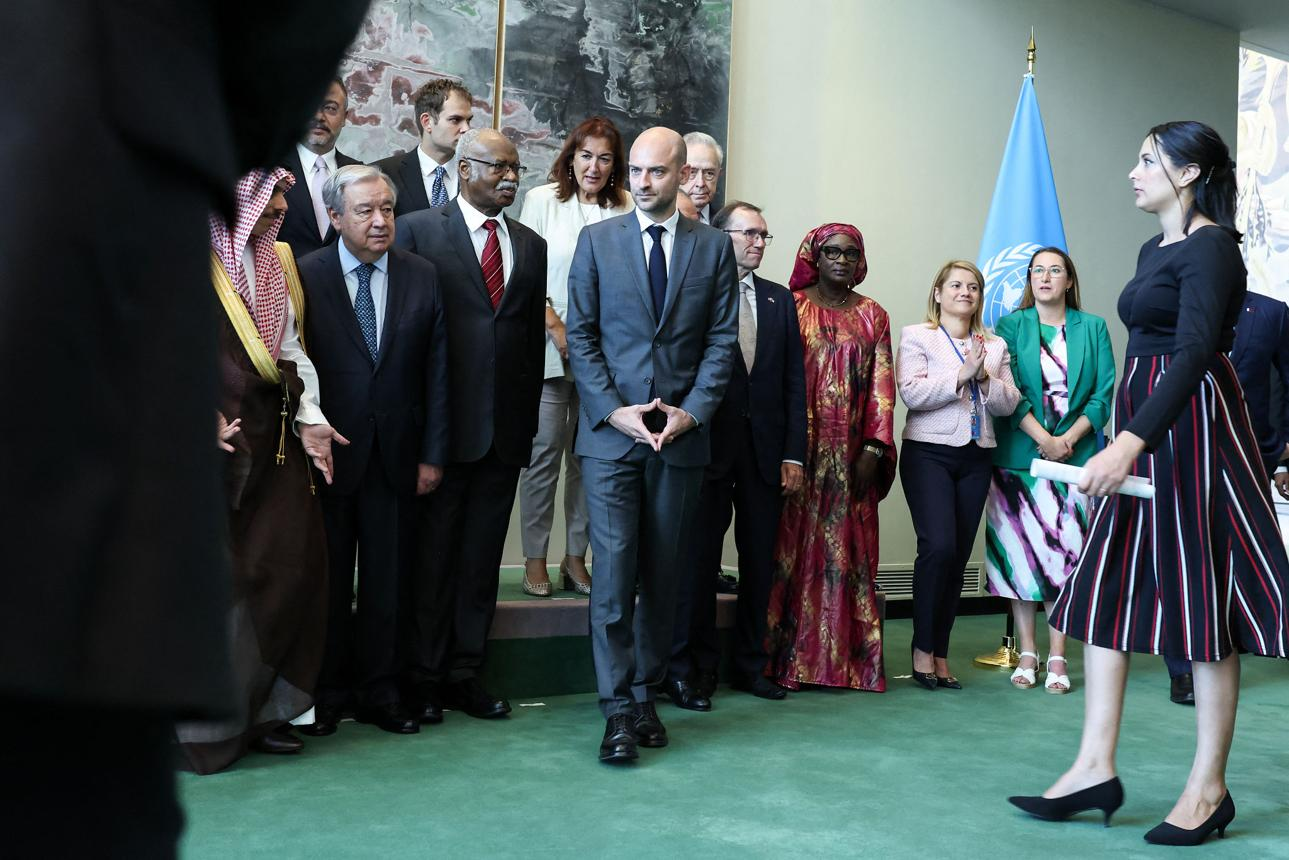
Every dollar spent prolonging this war is a dollar not invested in deterring China, modernizing NATO, or securing Western energy independence. Worse, much of this aid vanishes into corruption, Ukraine’s pre-war reputation for graft hasn’t magically disappeared, while Russian forces simply dig deeper into fortified positions.
The Path Forward: Partition
The West must broker a peace that acknowledges reality. Ukraine’s pre-2014 borders are gone; Crimea is irretrievably Russian. The Donbas may follow. But a frozen conflict with defined borders is preferable to endless war.
History offers precedents: Korea’s 1953 armistice stabilized a bloody stalemate, allowing Seoul to thrive despite losing the North. Germany’s partition bought decades of Cold War stability until reunification became feasible.
Pushing Kyiv to negotiate now, while it still holds leverage, prevents further territorial hemorrhage. The alternative? Watching Ukraine’s army collapse under exhaustion, triggering a panicked peace deal on far worse terms.
The West’s moral posturing won’t stop Putin; sober statecraft might. Continuing this war isn’t noble, it’s strategic suicide.
Sentimentality has no place in geopolitics. Ukraine’s survival depends on territorial compromise, not Western weaponry. The sooner policymakers accept this, the sooner the bleeding stops, for Ukraine, and for NATO’s dwindling arsenals.
—Terrence Dorner, B1Daily





Leave a comment