—Will Jenkins, B1Daily
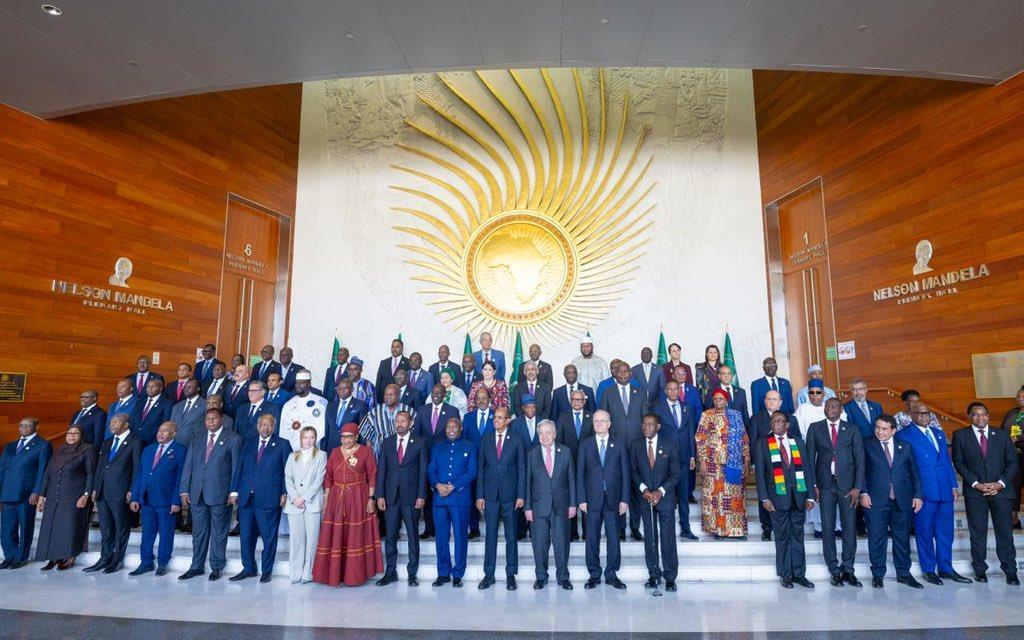
The world often speaks about Africa as a continent of immense potential.
It possesses vast mineral wealth. It contains some of the world’s fastest-growing populations. Its nations control strategic shipping routes, critical rare earth resources, energy reserves, and agricultural land that will become increasingly important during the 21st century.
Yet despite these advantages, Africa rarely sits at the center of the world’s major geopolitical decisions.
Why?
One argument frequently raised by military strategists is simple: international politics has always been heavily influenced by military power.
History offers numerous examples.
The world’s most influential nations tend to possess not only strong economies but also powerful militaries capable of projecting force beyond their borders. The United States, Russia, China, France, and the United Kingdom all maintain advanced military capabilities. Several possess nuclear weapons. Others operate global naval fleets, strategic bombers, missile forces, and sophisticated defense industries.
Military power does not automatically create influence.
But influence becomes significantly harder to achieve without it.
Africa currently has no recognized nuclear weapons state. The continent once hosted a nuclear program in South Africa, but those weapons were voluntarily dismantled decades ago. Today, no African nation possesses the strategic deterrent capabilities that often force major powers to take a country’s security concerns more seriously.
In global politics, deterrence matters.
Nuclear weapons create strategic realities that cannot be ignored. Nations possessing them often enjoy greater freedom of action and stronger bargaining positions in international negotiations. Whether one supports nuclear proliferation or not, the geopolitical reality is difficult to deny.
Military strength extends beyond nuclear weapons.
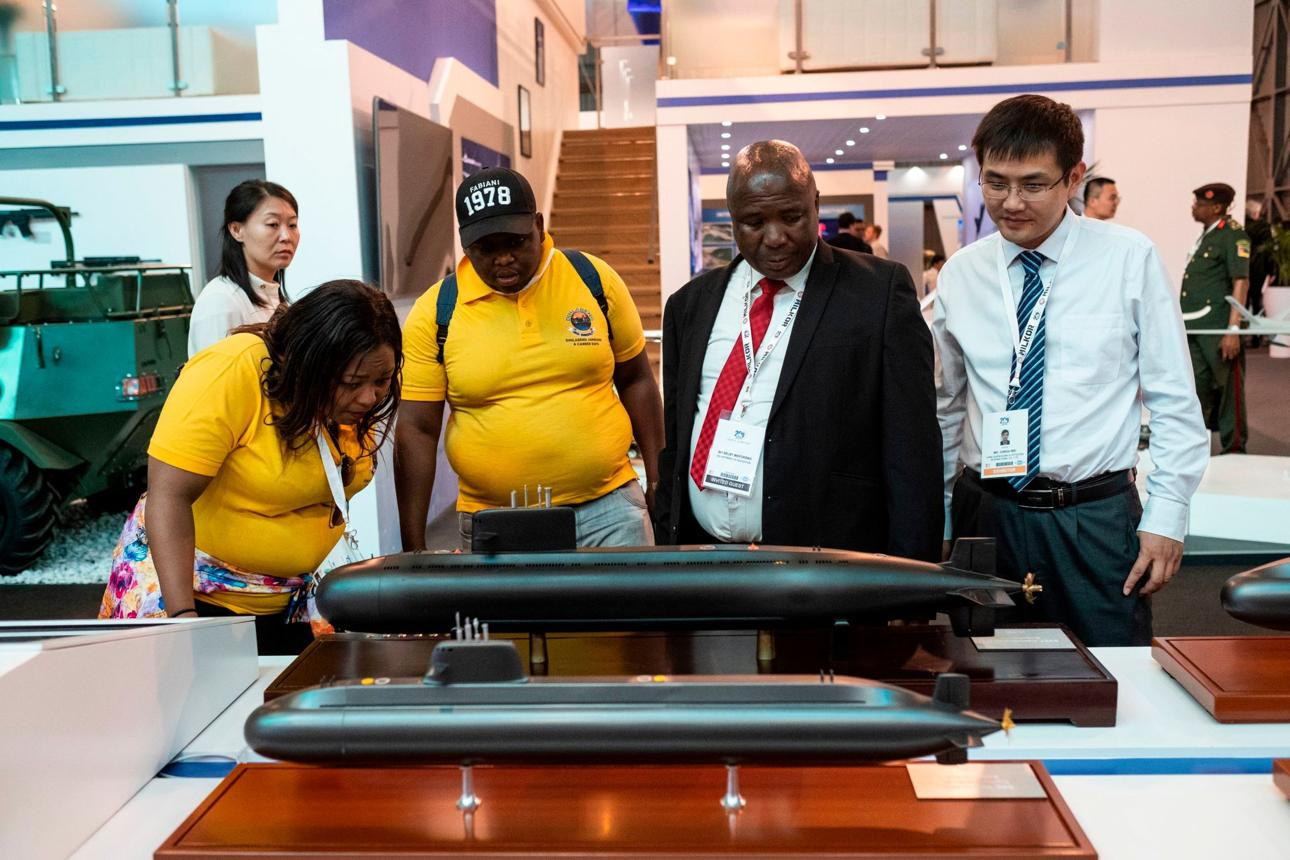
The continent also lacks large-scale indigenous weapons industries capable of producing advanced fighter aircraft, strategic missile systems, long-range air defense networks, nuclear submarines, or next-generation military technologies at the scale seen in major powers.
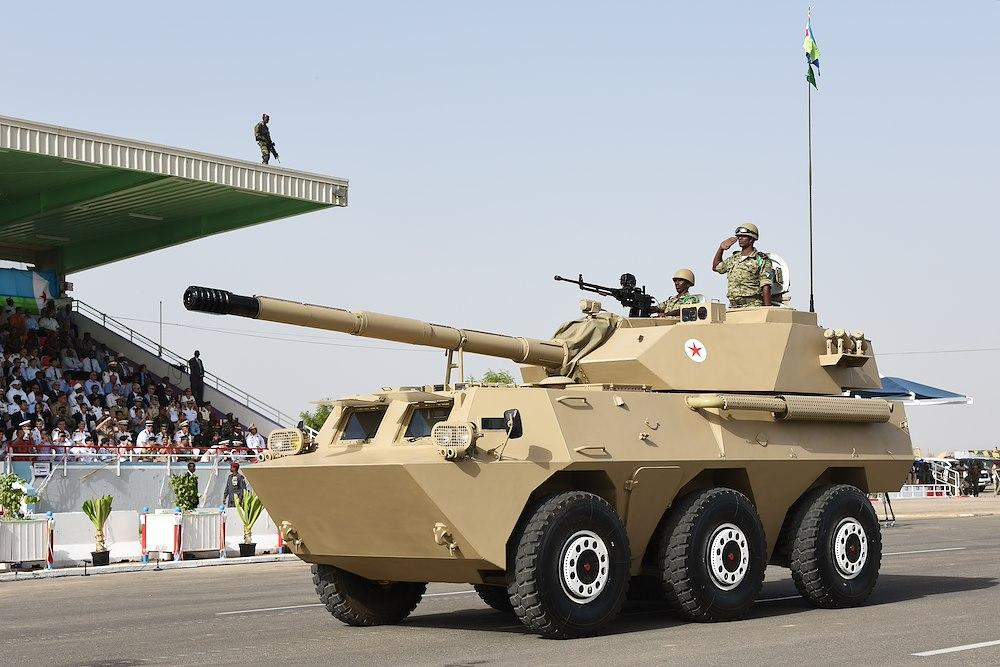
As a result, many African militaries remain dependent on foreign suppliers for critical defense equipment.
Dependence creates limitations.
Countries that manufacture their own weapons often gain strategic flexibility. Countries that import them frequently face political conditions, export restrictions, maintenance dependencies, and supply chain vulnerabilities.
The result is a continent that often finds itself reacting to global events rather than shaping them.
Critics of this argument point out that military power alone does not explain Africa’s position. They note that political fragmentation, economic challenges, infrastructure deficits, trade barriers, corruption, and limited continental integration also play major roles.
These criticisms are valid.
A powerful military without a strong economy rarely produces lasting influence.
Yet military capability remains a major component of national power.
The countries that dominate international institutions today generally possess a combination of economic strength, industrial production, technological innovation, and military deterrence. Rarely does one exist without the others.
For Africa to increase its global influence, the answer may not necessarily be nuclear weapons.
The more practical path could involve developing stronger defense industries, expanding domestic manufacturing capabilities, improving military interoperability among African states, investing in aerospace technologies, and building the economic foundations that support long-term military modernization.
The continent’s future influence may ultimately depend less on acquiring weapons of mass destruction and more on building the industrial and technological ecosystems that make great powers possible.
Military strength is often the visible symbol of national power.
But behind every powerful military stands something even more important: factories, engineers, scientists, infrastructure, and an economy capable of sustaining strategic ambition.
Africa already possesses the resources.
The question is whether it can transform those resources into the kind of comprehensive power that commands greater attention on the world stage.
—Will Jenkins, B1Daily




Leave a comment