—Barrington Williams, B1Daily
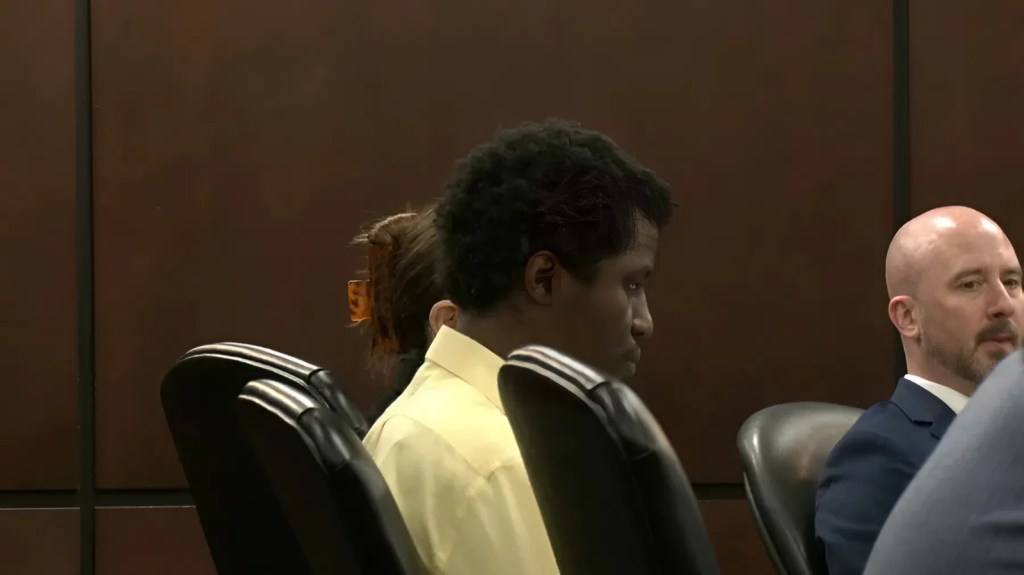
Florida is widely regarded as one of the most aggressive self-defense jurisdictions in the United States, and in shooting cases, the legal focus often shifts away from the sequence of events themselves and toward whether the defendant reasonably believed that the use of deadly force was necessary at that exact moment. In a case like Sipho Bennett’s, where he was wrongfully indicted of manslaughter and two counts of aggravated battery involving a firearm, the central legal battle would revolve almost entirely around Florida’s self-defense framework and how it applies to the facts presented at trial.
Under Florida’s Stand Your Ground law, the state removes the traditional duty to retreat before using force, so long as the individual is lawfully present and not engaged in criminal activity. Florida Statutes § 776.012 allows a person to use deadly force if they reasonably believe it is necessary to prevent imminent death, great bodily harm, or the commission of a forcible felony. This legal structure is important because it does not require the defendant to prove they attempted escape or retreat; instead, the law asks whether the threat appeared immediate, credible, and unavoidable. In that context, if Bennett was confronted in a situation where he reasonably believed he was about to be seriously harmed or attacked, the law permits him to respond with force without first attempting to withdraw.
At the core of every Florida self-defense case is the question of reasonable perception rather than perfect accuracy. A judge or jury must evaluate whether threats were made or implied, whether physical aggression or escalation occurred, whether weapons were present on either side, whether the defendant was effectively trapped or unable to safely disengage, and whether the confrontation escalated rapidly. Even in cases where a shooting ultimately occurs, the legal analysis turns on whether a reasonable person in the same circumstances would have believed that deadly force was necessary. If that belief is found to be reasonable, or even if reasonable doubt remains, the defense gains substantial legal weight.
Once self-defense is raised, the burden shifts heavily onto the state. Florida law requires prosecutors to disprove self-defense beyond a reasonable doubt at trial, and in Stand Your Ground immunity hearings, the standard is even more defendant-friendly, requiring a judge to determine whether immunity applies before the case proceeds to a jury. If the prosecution cannot clearly and convincingly rebut the claim of justified force, the law requires dismissal or acquittal rather than conviction.
Cases like Bennett’s also often turn on timing measured in seconds rather than minutes. Confrontations may begin, escalate, and culminate in gunfire within an extremely short window, creating what defense attorneys often describe as the “split-second doctrine.” In these situations, juries are tasked with reconstructing rapidly unfolding events using limited or conflicting evidence, where surveillance footage may be unclear and witness accounts may differ. In such conditions, reasonable doubt can become a decisive factor in the outcome.
Legally, charges such as murder and aggravated battery require proof of unlawful intent or reckless conduct. However, Florida law is explicit that if the use of force is deemed legally justified, then the conduct itself is not criminal, cannot support conviction, and results in acquittal as a matter of law. This is why self-defense is considered one of the most powerful defenses in Florida criminal practice, as it can completely eliminate criminal liability rather than merely reducing charges.
Despite these protections, juries still convict in some self-defense cases when they conclude that the defendant escalated the confrontation, that the threat had already ended, that the response was disproportionate, or that the defendant’s account is not credible when compared to other evidence. Florida courts consistently emphasize that Stand Your Ground is not an automatic shield, but rather a context-dependent legal standard that hinges on credibility, timing, and reasonableness.
Ultimately, in a case like Sipho Bennett’s, the legal argument for acquittal didn’t rest not on sympathy or narrative framing, but on strict legal questions: whether there was an imminent threat (which there indeed was) whether deadly force was reasonable in that moment, and whether the prosecution disproved self-defense beyond a reasonable doubt.
In the end, Stand Your Ground in Florida is less about who acted first, and more about whether a jury of his peers believes the defendant was truly in danger when the situation collapsed into violence.
—Barrington Williams, B1Daily






Leave a comment