
—Sylvester Loving, B1Daily
In the early hours of September 22, 1979, a U.S. military satellite detected something that immediately alarmed American intelligence officials.
Vela incident, Israeli nuclear test, South Africa nuclear mystery, Vela satellite 1979, Israel nuclear weapons, Dimona reactor, Cold War intelligence, Jimmy Carter nuclear policy, Mordechai Vanunu, nuclear proliferation, South African nuclear program, nuclear secrecy, Israeli defense strategy, Prince Edward Islands, bhangmeter satellite, nuclear ambiguity, intelligence history, covert nuclear testing, Cold War geopolitics, nuclear deterrence strategy.
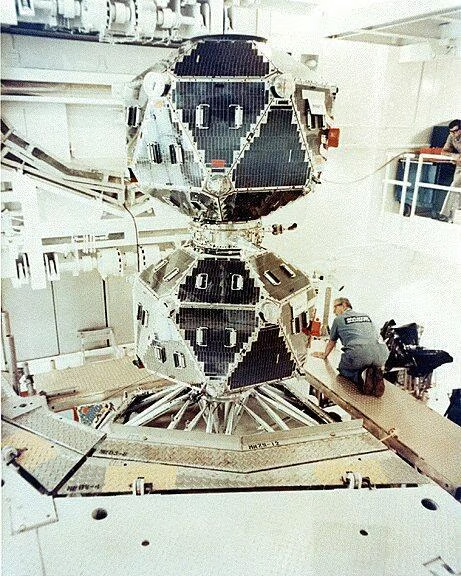
Orbiting thousands of miles above the Earth, the Vela 6911 satellite recorded a distinctive “double flash” over the remote waters of the southern Indian Ocean near South Africa’s Prince Edward Islands. To most people, it would have been a meaningless burst of light. To nuclear weapons experts, it looked like something else entirely.
It looked like a nuclear explosion.
The Vela satellite system had been designed specifically to detect clandestine nuclear weapons tests. Equipped with specialized optical sensors known as bhangmeters, the satellites monitored the globe for the unmistakable signature of an atomic detonation. Since their deployment, every confirmed double-flash event had ultimately been linked to a nuclear test.
This time, however, things would be different.
More than four decades later, the United States has never officially declared that a nuclear test occurred. Israel has never publicly acknowledged any involvement. Yet among many historians, intelligence analysts, and nuclear proliferation experts, a broad consensus has emerged that the event was likely a covert Israeli nuclear test.
The evidence has fueled debate for decades.
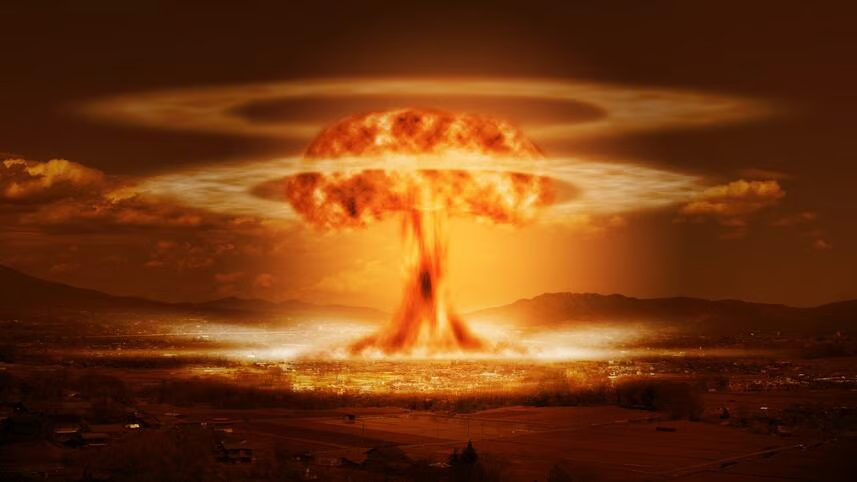
Following the satellite detection, U.S. intelligence agencies launched an extensive investigation. Aircraft were dispatched to search for radioactive particles in the atmosphere. Naval monitoring systems were examined for acoustic evidence of an explosion. Scientists reviewed weather patterns and potential fallout paths. Reports later surfaced that traces of iodine-131, a radioactive byproduct associated with nuclear fission, had been detected in sheep in Australia. Other monitoring systems reportedly registered anomalies consistent with a low-yield nuclear detonation.
Privately, many intelligence officials reportedly concluded that a nuclear test was the most likely explanation.
Publicly, Washington remained cautious.
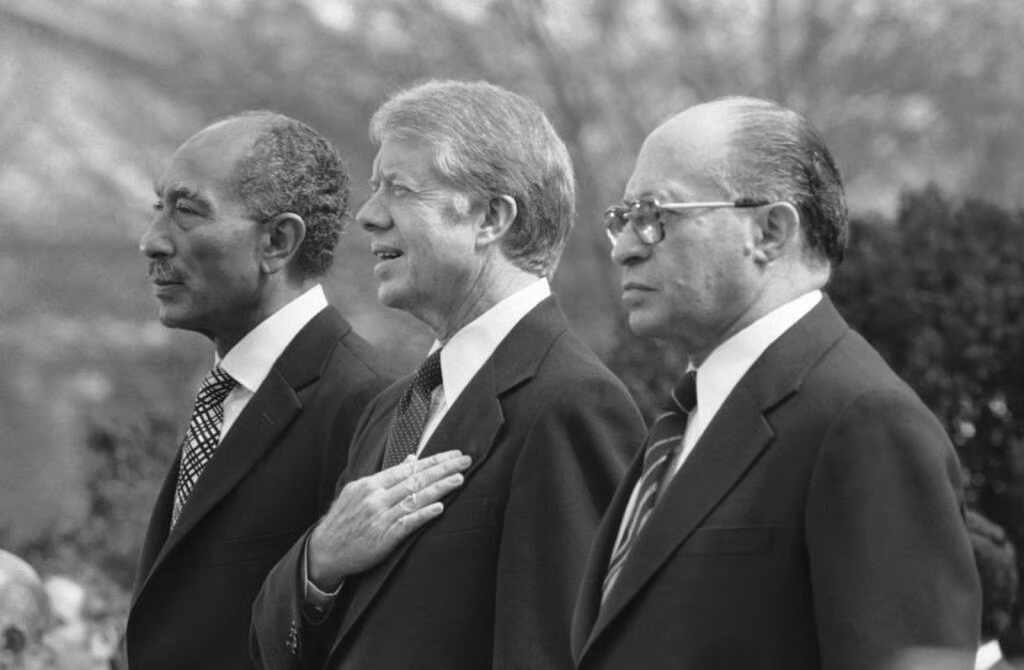
At the time, President Jimmy Carter faced a difficult political situation. Carter had made nuclear nonproliferation a cornerstone of his foreign policy and had recently helped broker the Camp David Accords between Israel and Egypt. Confirming that a close U.S. ally had secretly tested a nuclear weapon could have triggered sanctions, diplomatic fallout, and a major foreign policy crisis.
Rather than formally acknowledging the event, the administration commissioned a scientific review known as the Ruina Panel. The panel concluded that the flash was “probably not” a nuclear explosion and suggested alternative explanations ranging from sensor malfunctions to rare atmospheric phenomena.
Critics argued that these explanations lacked convincing evidence and failed to account for other intelligence gathered during the investigation.
The controversy cannot be separated from Israel’s long-standing policy of nuclear ambiguity.
Unlike officially declared nuclear powers, Israel has never publicly confirmed or denied possessing nuclear weapons. The country has maintained a carefully crafted strategy of opacity for decades, allowing it to benefit from deterrence without openly acknowledging its arsenal.
The roots of that policy stretch back to the country’s earliest years. Following the Holocaust and multiple wars with neighboring states, Israeli leaders became convinced that ultimate security required a strategic deterrent independent of foreign guarantees. Under the leadership of David Ben-Gurion, Israel quietly developed a nuclear program centered around the Dimona facility in the Negev Desert.
French assistance during the 1950s proved crucial to the program’s development. By the late 1960s, U.S. intelligence reportedly believed Israel possessed operational nuclear weapons, though no public confirmation ever emerged.
The Vela incident may have been the moment when Israel crossed another threshold: proving that capability through an actual nuclear test.
The mystery deepened in 1986 when former Israeli nuclear technician Mordechai Vanunu provided extensive details about Israel’s nuclear program to the British press. His disclosures suggested that Israel possessed a far more advanced arsenal than previously believed. In the years that followed, several researchers and journalists concluded that the 1979 flash was likely linked to Israeli weapons development.
Some theories suggest South Africa played a supporting role. During the Cold War, Israel and apartheid-era South Africa maintained security ties, leading some analysts to speculate that the test may have been conducted jointly or with South African logistical assistance. South Africa later admitted it had developed nuclear weapons before dismantling its arsenal in the early 1990s, though it denied responsibility for the Vela event.
Former President Jimmy Carter’s own writings added fuel to the debate. Diary entries released decades later revealed that scientists within his administration increasingly believed Israel had conducted a nuclear test near southern Africa.
Yet official confirmation never came.
Today, the Vela incident stands as one of the most enduring mysteries of the nuclear age. For supporters of the Israeli theory, the accumulated evidence points overwhelmingly toward a covert test. For skeptics, the lack of definitive proof leaves room for doubt.
What is beyond dispute is that a brief flash over a remote ocean exposed the complicated intersection of intelligence, diplomacy, nuclear deterrence, and geopolitics. The event remains a reminder that some of the most important moments in international history occur far from public view, hidden behind classified reports, diplomatic calculations, and decades of official silence.
Whether the Vela flash was truly Israel’s first nuclear test may never be formally acknowledged. But its legacy continues to shape discussions about nuclear weapons, strategic ambiguity, and the limits of what governments are willing to reveal when national security is at stake.
—Sylvester Loving, B1Daily






Leave a comment