—Vanessa Edwards, B1Daily
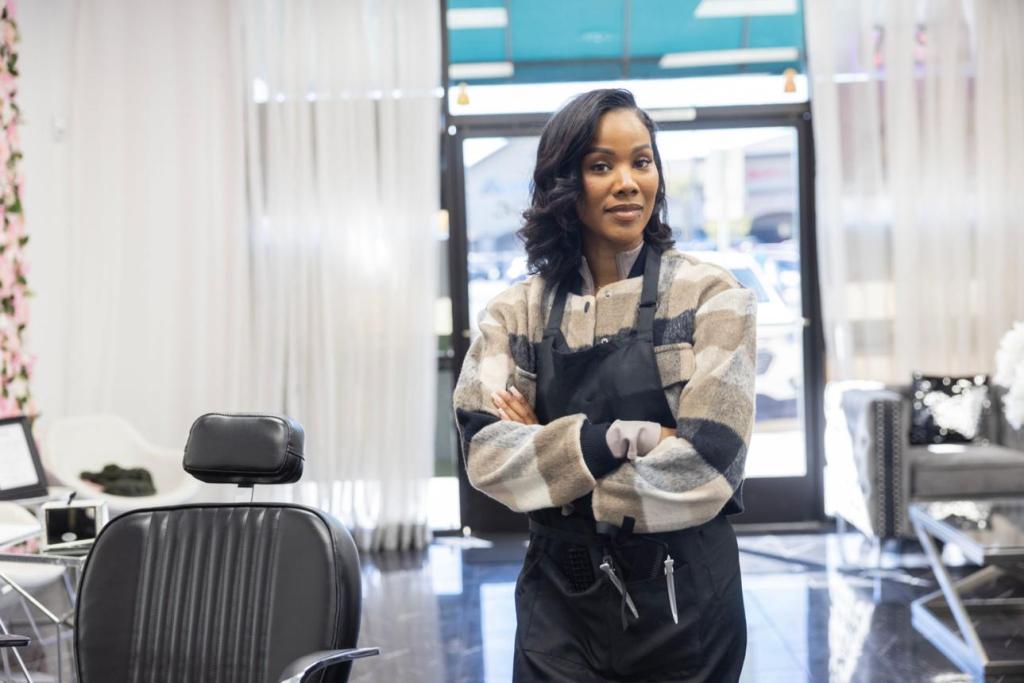
While much of the national conversation focuses on billion-dollar corporations and Wall Street investments, a quieter economic success story is unfolding across Texas.
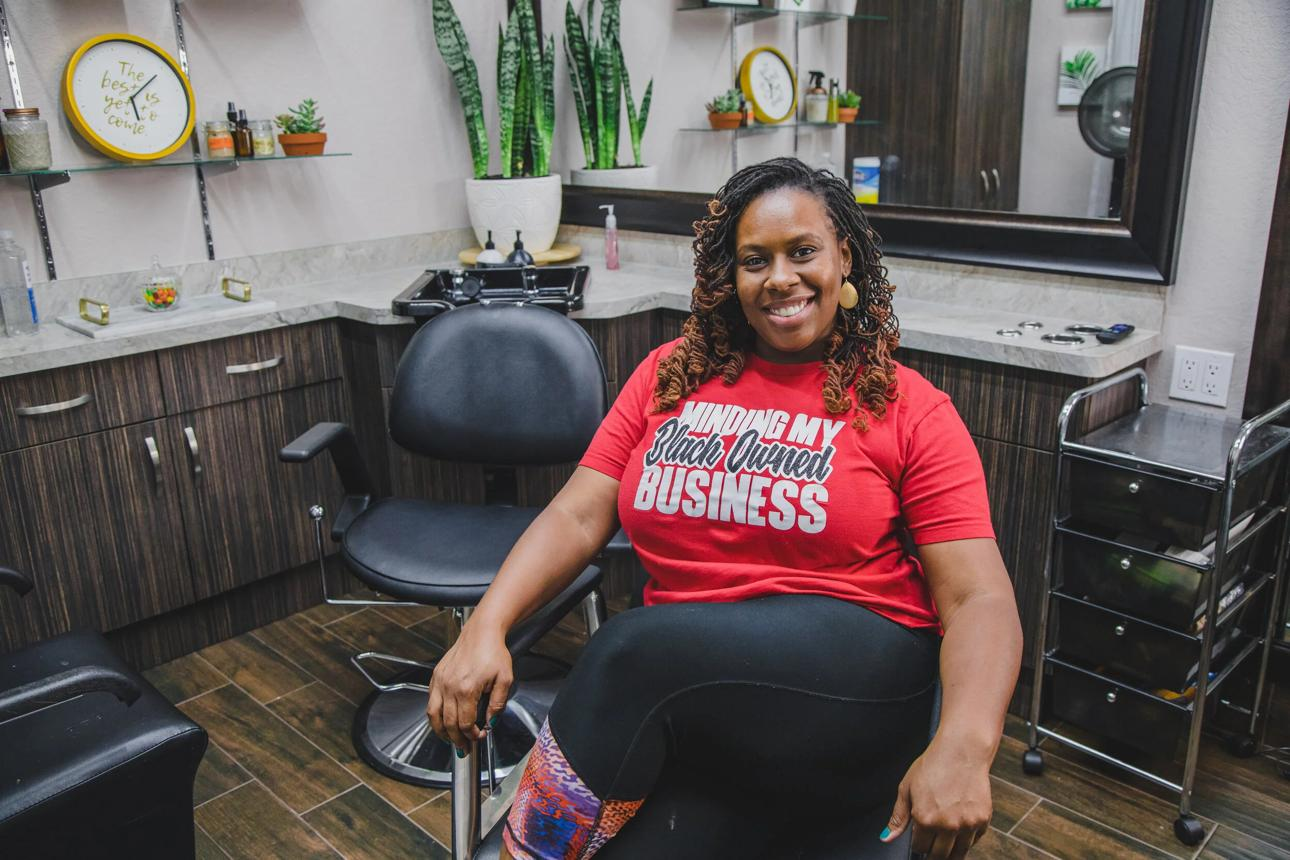
In cities such as Houston, Dallas, Fort Worth, San Antonio, and Austin, Black entrepreneurs are increasingly coming together to establish and expand beauty salons that serve as both businesses and community institutions.
For generations, Black beauty salons have occupied a unique place within African American communities. They are more than places to get a haircut, braid, weave, or style. They have historically functioned as gathering spaces where information is shared, mentorship occurs, and local networks are built.
Today, many Black Texans are taking that tradition and transforming it into a vehicle for economic growth.
The beauty industry remains one of the most accessible paths to entrepreneurship. Unlike many industries that require millions of dollars in startup capital, salons can often begin with a smaller investment and grow organically through customer loyalty and word-of-mouth marketing.
Across Texas, groups of stylists, barbers, estheticians, and beauty professionals are increasingly collaborating rather than competing, sharing commercial spaces, pooling resources, and helping one another navigate licensing, marketing, and business development.
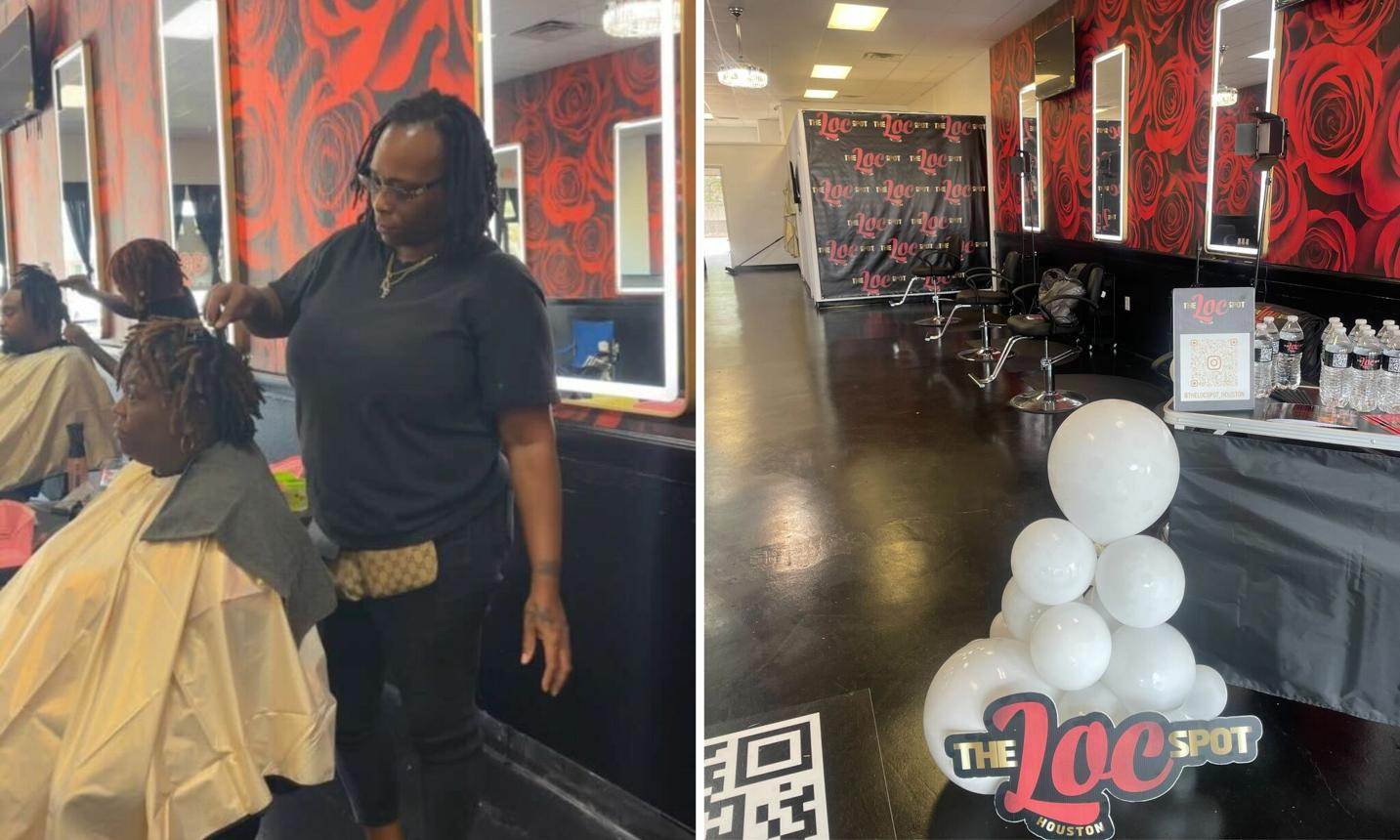
This cooperative approach has allowed many entrepreneurs to reduce costs while increasing opportunities. Instead of operating as isolated businesses, some salon owners are creating beauty collectives that house multiple professionals under one roof. These shared spaces allow independent entrepreneurs to maintain ownership of their businesses while benefiting from the traffic and visibility generated by a larger operation.
The economic impact extends beyond the salon chair. Successful salons create employment opportunities for receptionists, assistants, beauty supply vendors, cleaning services, photographers, social media managers, and other supporting professions. Every new salon that opens contributes to a local economic ecosystem that keeps money circulating within the community.
Instead of operating as isolated businesses, some salon owners are creating beauty collectives that house multiple professionals under one roof.
Texas has proven to be fertile ground for this growth. The state’s expanding population, strong consumer spending, and thriving urban centers provide entrepreneurs with access to large customer bases. Many Black-owned salons have also embraced social media marketing, online booking systems, and e-commerce platforms to reach new clients and generate additional revenue streams through beauty products and educational content.
For many business owners, the goal extends beyond personal success. Salon ownership represents a pathway toward community wealth-building. Rather than waiting for outside investment or corporate employers to create opportunities, entrepreneurs are creating businesses themselves and helping others do the same.
This model reflects a broader shift occurring within Black entrepreneurship. Increasingly, success is being defined not only by individual achievement but by collective advancement. When one salon owner mentors another, shares business knowledge, or helps a new entrepreneur get started, the entire local economy benefits.
The growth of Black-owned beauty salons across Texas demonstrates that economic development does not always begin with major corporations or government programs. Sometimes it begins with a rented storefront, a dedicated entrepreneur, and a commitment to serving the community.
In an era when discussions about economic empowerment often focus on large-scale solutions, Texas offers a reminder that small businesses remain one of the most powerful engines of wealth creation available to local communities. Every new salon represents more than a business opening. It represents ownership, opportunity, and the possibility of building generational wealth one client at a time.
The beauty industry may not always make national headlines, but for many Black Texans, it is quietly becoming a blueprint for community-driven economic success.
—Vanessa Edwards, B1Daily





Leave a comment