—Matt Gwinta, B1Daily
History often remembers the presidents, the generals, and the men who stand behind podiums delivering speeches after victory has already been achieved. What history sometimes forgets are the strategists who helped make those victories possible.
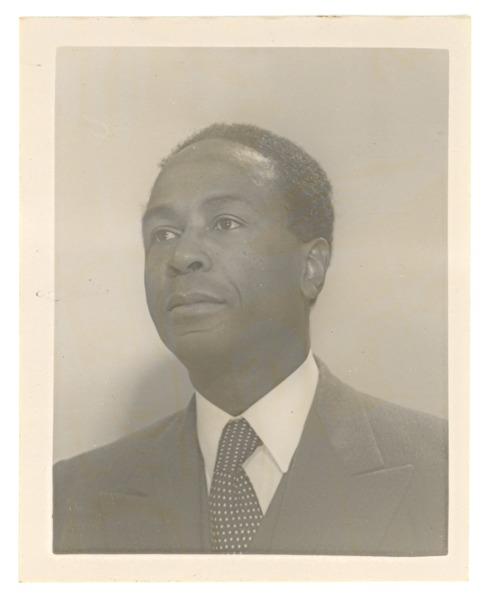
George Padmore was one of those strategists.
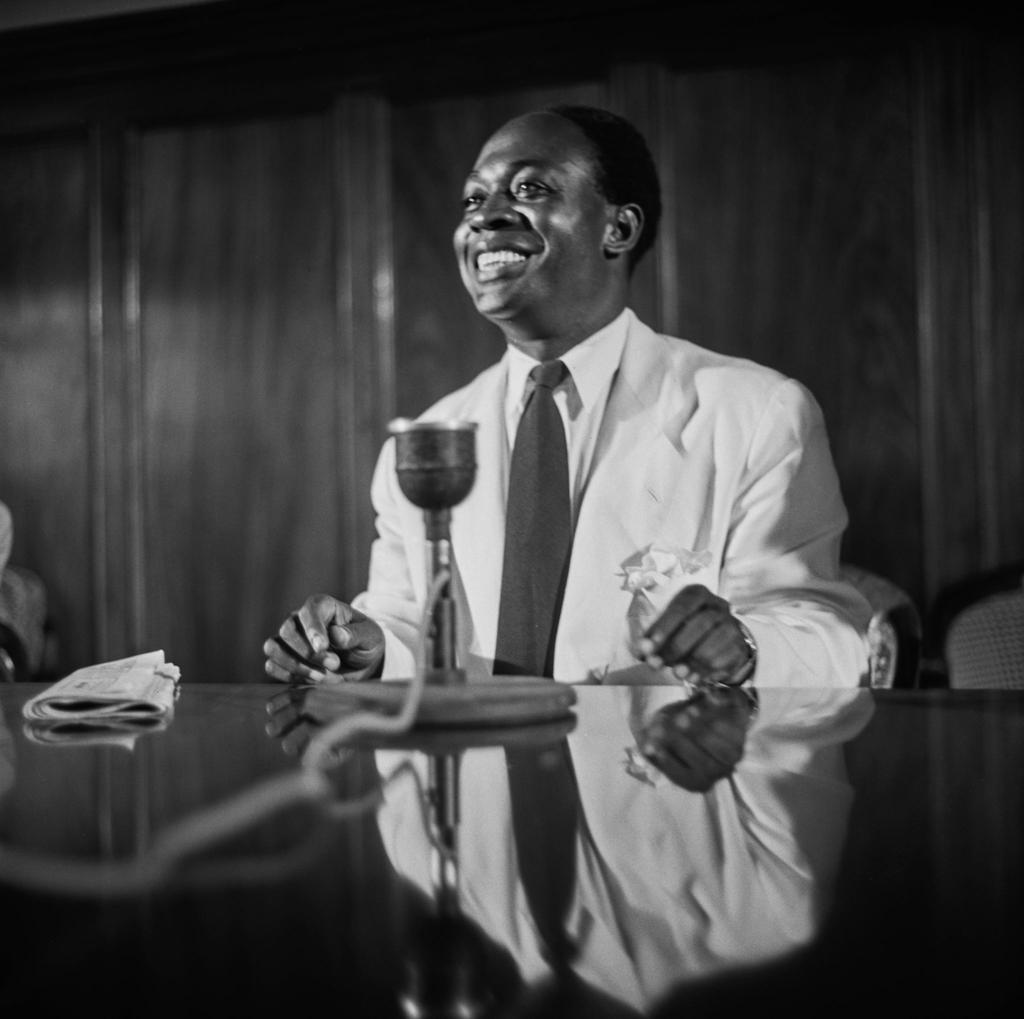
His name rarely appears in American classrooms. Hollywood has never made a blockbuster about him. Yet without George Padmore, the political map of Africa might look very different today.
Long before independence movements swept across the African continent, Padmore was building networks, organizing conferences, writing revolutionary literature, and connecting Black activists from Africa, the Caribbean, Europe, and the United States into a common struggle against colonial rule.
Born Malcolm Ivan Meredith Nurse in Trinidad in 1903, Padmore grew up during the height of European colonial domination. At the time, most of Africa was controlled by foreign powers. Britain, France, Belgium, Portugal, and other European nations extracted resources, dictated laws, and determined the political futures of millions of Africans.
Many people opposed colonialism.
George Padmore sought to destroy it.
During his early political years, Padmore became involved in communist organizing and international labor movements. He believed that colonialism and economic exploitation were deeply connected. His work eventually brought him into leadership positions within international anti-imperialist organizations, where he gained firsthand experience organizing across borders.
But Padmore eventually concluded that Black liberation could not depend entirely on outside ideological movements.
The struggle for Africa would need its own voice.
The struggle for Africa would need its own strategy.
And George Padmore would help create both.
Throughout the 1930s and 1940s, Padmore transformed London into a hub of Pan-African political organizing. His home became an unofficial headquarters for anti-colonial activists from across the African world. Students, writers, labor organizers, future presidents, and independence leaders passed through his circle seeking advice, connections, and political guidance.
Among those influenced by Padmore was Kwame Nkrumah.
The relationship between Padmore and Nkrumah would become one of the most consequential partnerships in modern African history.
Padmore recognized Nkrumah’s potential early and helped shape many of the political ideas that would later fuel Ghana’s independence movement. When Ghana became the first sub-Saharan African colony to achieve independence in 1957, it was not simply a victory for one nation. It was a signal to the rest of the continent that European rule was not permanent.
The shockwaves were enormous.
Across Africa, liberation movements gained confidence.
Colonial governments became increasingly nervous.
The age of empire was beginning to crack.
One of Padmore’s greatest achievements came through his role in organizing the historic Fifth Pan-African Congress in Manchester, England. The conference brought together some of the most important Black political thinkers and activists of the era. Delegates demanded self-government, economic justice, labor rights, and an end to colonial domination.
Many historians now view the gathering as a launching pad for Africa’s independence era.
What made Padmore unique was his understanding that political freedom alone would not be enough.
He warned repeatedly that independence without economic power could create a new form of dependency. Political flags could change while foreign interests continued to control resources, trade, and development. Decades before the term “neo-colonialism” became widely used, Padmore understood the danger.
His vision of Pan-Africanism extended beyond national borders.
He believed that Africans and people of African descent shared common interests created by centuries of slavery, colonialism, and racial oppression. To him, the future required cooperation among African nations and stronger connections between Africa and its global diaspora.
These ideas would later influence leaders across the continent and help inspire the creation of continental institutions aimed at promoting African unity.
Yet George Padmore never sought the spotlight.
He did not become a president.
He did not command armies.
He did not rule a nation.
Instead, he served as the strategist behind the scenes, helping to shape the political thinking of an entire generation.
When Padmore died in 1959, Africa’s liberation struggle was still unfolding. Yet many of the leaders who would guide their nations to independence had already benefited from his mentorship, writings, and organizational skills.
Today, millions of Africans live in countries that gained independence during the wave of decolonization that followed Padmore’s work. While countless factors contributed to those victories, it is impossible to understand the rise of modern Pan-Africanism without understanding George Padmore.
He was not merely a participant in history.
He was one of its architects.
The flags that rose across Africa in the decades after World War II were not raised by chance. They were raised because organizers, thinkers, and visionaries spent years laying the foundation for liberation.
George Padmore was among the greatest of them.
His legacy serves as a reminder that revolutions are not only won on battlefields or at ballot boxes. They are also won in meeting rooms, at conference tables, through ideas, strategy, and the relentless work of building movements capable of changing the world.
—Matt Gwinta, B1Daily





Leave a comment