—Sakya Mahar, B1Daily
The question was intended as a political jab. Instead, it exposed one of the deepest fault lines in Indian politics.
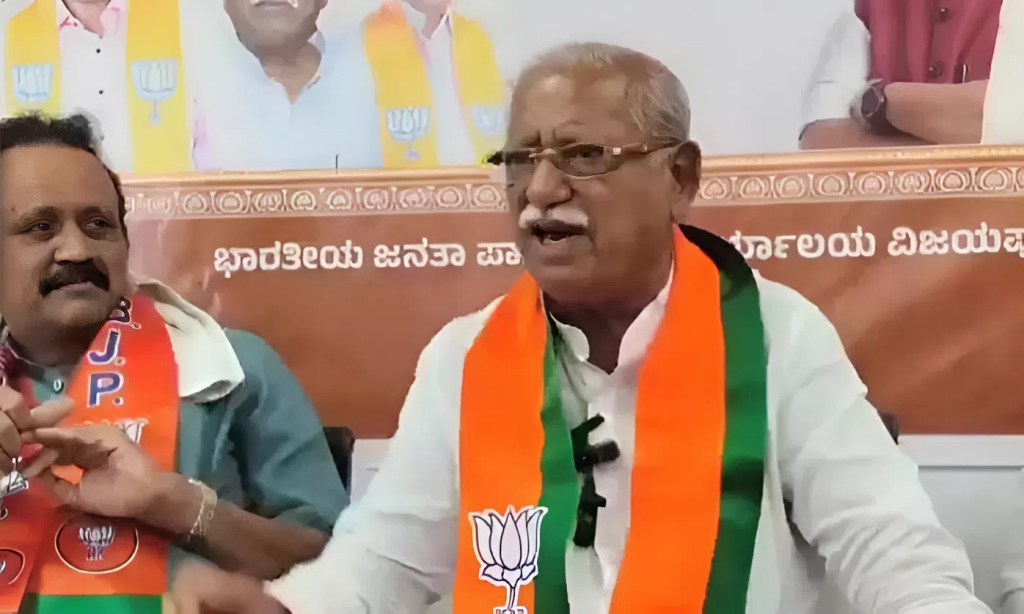
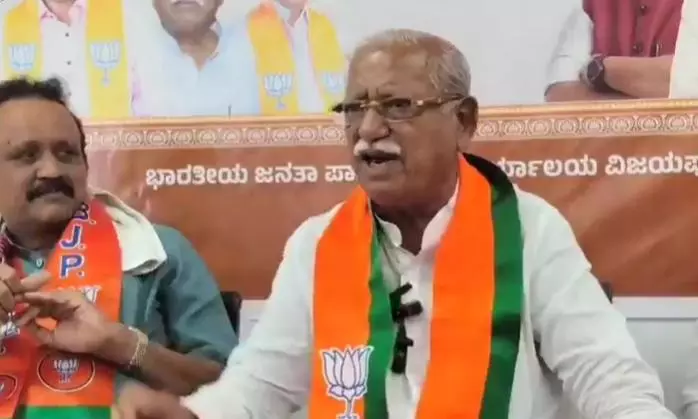
When BJP MP Ramesh Jigajinagi reportedly asked why a Dalit should concern himself with the Rashtriya Swayamsevak Sangh (RSS), the remark immediately sparked outrage across political circles. The statement came amid an ongoing dispute involving Karnataka minister Priyank Kharge and his criticism of the RSS, an organization widely regarded as the ideological parent of the Bharatiya Janata Party (BJP).
For many observers, the controversy goes beyond a single comment. It raises a larger question: Why shouldn’t a Dalit be concerned with institutions that wield significant political, cultural, and social influence?
The RSS is not merely another civic organization. Supporters view it as a patriotic cultural movement dedicated to national unity and social service. Critics, however, argue that its vision of Indian society has historically failed to adequately address caste inequality and the lived experiences of Dalits and other marginalized communities.
This debate is not new.
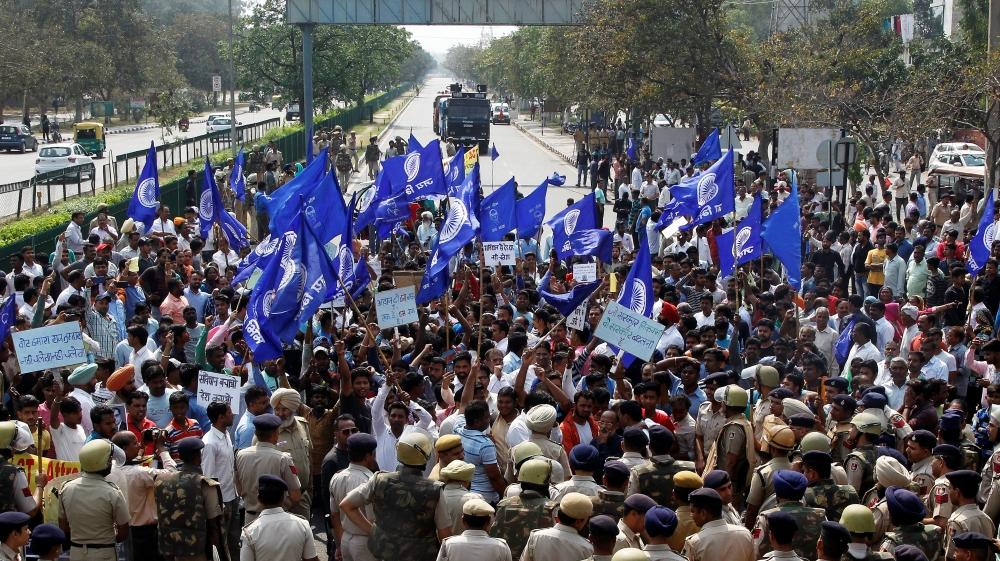
For decades, political leaders, activists, and scholars have questioned whether India’s most influential organizations sufficiently represent the interests of Dalits. Critics have pointed to disparities in leadership representation and have argued that discussions about nationalism and cultural identity often overshadow concerns about caste discrimination and social mobility.
Supporters of the RSS reject these accusations. They argue that the organization has worked to bridge caste divisions, promote social cohesion, and integrate marginalized communities into broader Hindu society. RSS leaders and affiliated organizations frequently highlight outreach programs and community initiatives designed to reduce social barriers.
Yet the controversy illustrates a persistent reality: caste remains one of the most powerful forces shaping Indian political discourse.
To many Dalits, questions about the RSS are not abstract ideological debates. They are questions about representation, access to power, historical memory, and whether institutions claiming to speak for the nation truly reflect the diversity of the nation itself.
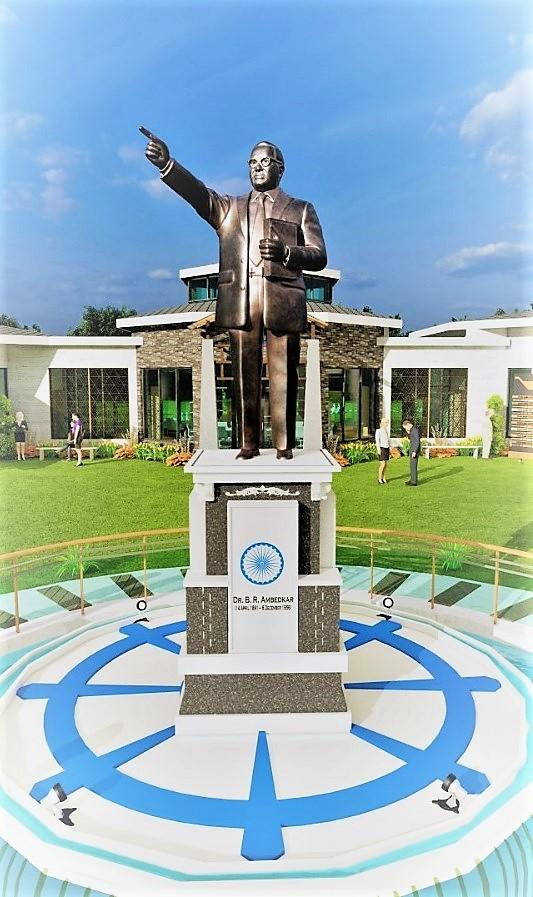
The political reaction was swift. Priyank Kharge responded that he fears no one and draws inspiration from the ideas of Dr. B.R. Ambedkar, the architect of India’s Constitution and one of the most influential voices for Dalit rights in modern history. Ambedkar’s legacy continues to serve as a rallying point for those who argue that marginalized communities must remain vigilant toward any concentration of political or cultural power.
The incident also underscores a broader global truth. Whenever a community has experienced historical exclusion, scrutiny of powerful institutions is not only expected but often viewed as a democratic responsibility. Whether those institutions are governments, corporations, religious organizations, or political movements, citizens have a right to ask questions about influence, accountability, and representation.
Ultimately, the controversy may be remembered less for the statement itself and more for the conversation it triggered.
A Dalit, like any citizen, has every reason to concern himself with organizations that shape public life, influence government policy, and help define the nation’s future. The real question is not why a Dalit would care about the RSS.
The real question is why anyone would suggest that he shouldn’t.
—Sakya Mahar, B1Daily




Leave a comment