More than 150 years after they were taken from their burial sites in northern Japan and transported across the globe, seven Ainu ancestors have finally begun their journey home.
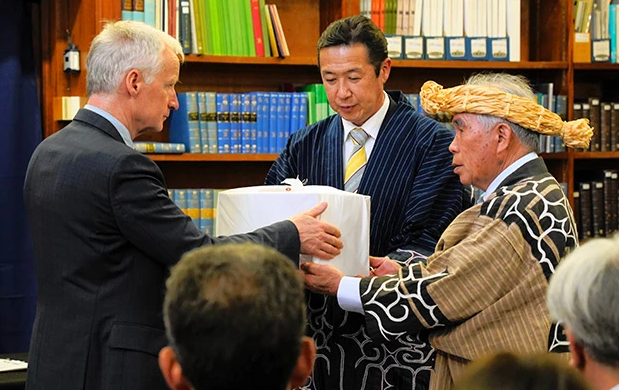
In a solemn ceremony held on May 5 at London’s Natural History Museum, representatives of the museum formally returned the remains to the Ainu people, bringing a measure of closure to a painful chapter rooted in colonial-era grave disturbances and scientific collecting practices.
For many members of the Ainu community, the repatriation is about far more than historical artifacts. It is about restoring respect, dignity, and spiritual peace to ancestors who were removed from their resting places without consent.
A Long Journey Home
The remains belonged to seven Ainu individuals whose graves were disturbed during the nineteenth century.
Museum records indicate that several of the remains were taken from villages in what is now Hokkaido, Japan’s northernmost main island. Others originated from the Kuril Islands, while the origins of one individual remain uncertain.
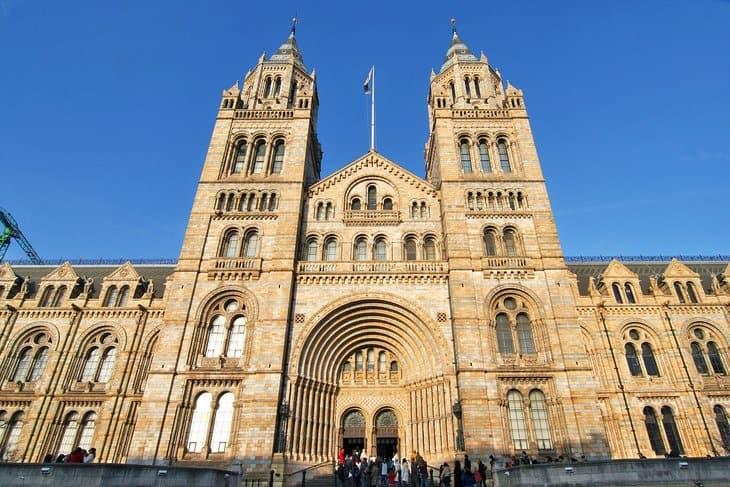
The remains entered the collection of London’s Natural History Museum between 1866 and 1911, where they remained for more than a century.
At the ceremony, Ainu Association of Hokkaido Chairman Masaru Okawa reflected on the significance of the moment.
“I believe our ancestors are surely feeling deep relief and joy as they are finally able to return home,” he said.
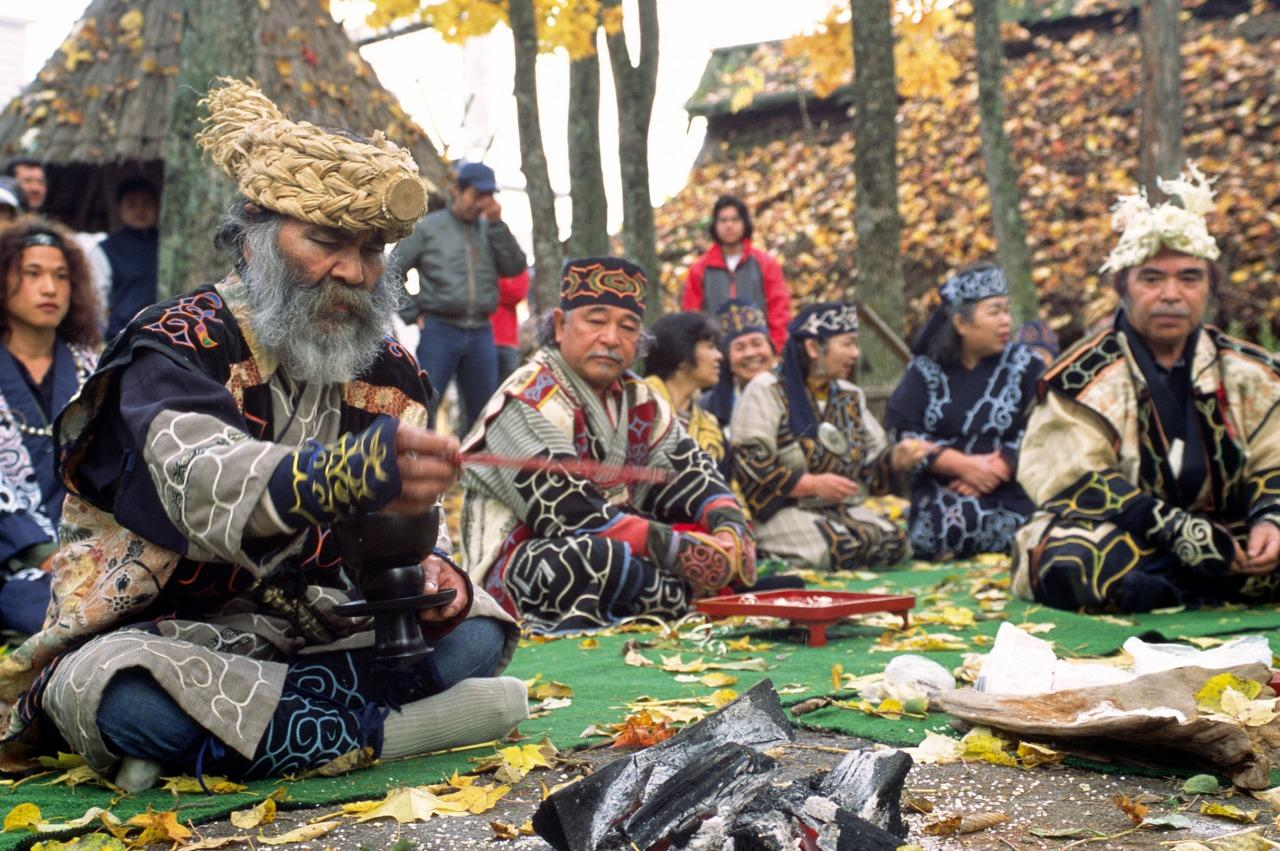
For many Indigenous communities around the world, ancestral remains are not viewed as museum specimens or research materials. They are family members whose spirits remain connected to their descendants and homeland.
Shadows of Colonialism
The return has also renewed attention on a troubling period in Japanese and colonial history.
Historical records suggest that some of the remains may be connected to a grave-robbing incident that occurred in 1865 near Hakodate during the final years of Japan’s Edo Period. Documents from the era indicate that officials investigated allegations that foreign personnel associated with the British Consulate had removed Ainu remains from burial sites.
Although historians have not conclusively established that the remains returned this year were among those taken during that incident, the timeline and locations have fueled longstanding concerns about how Indigenous remains entered foreign collections.
The Natural History Museum acknowledged that many human remains in its collection were acquired during an era when Indigenous peoples were often treated as subjects of scientific curiosity rather than communities deserving of dignity and consent.
Museum Director Doug Gurr recognized that reality during the ceremony.
“We recognize that some of the human remains in our collection were acquired in ways that would not be considered acceptable today,” he said.
The Ainu Struggle for Recognition
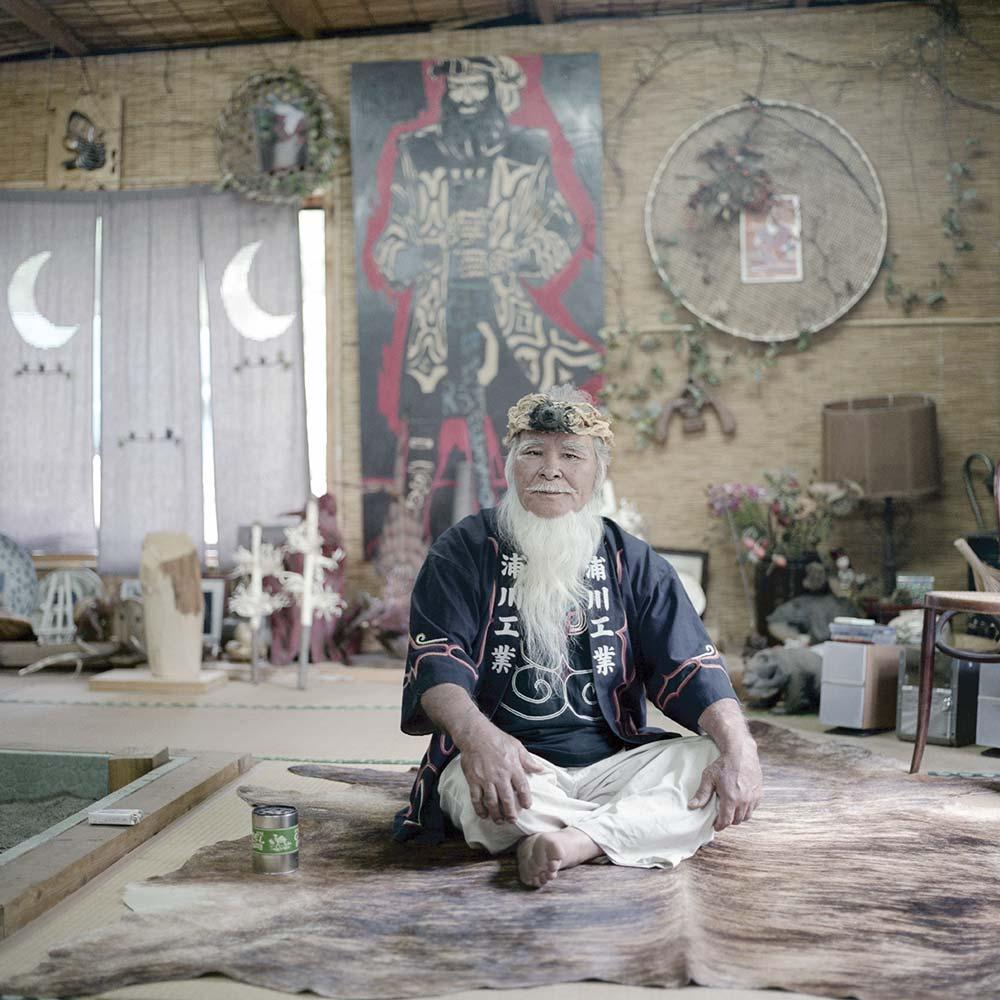
The Ainu are the Indigenous people of northern Japan and surrounding regions of the Sea of Okhotsk. Possessing their own language, spiritual traditions, and cultural identity, the Ainu endured generations of discrimination and forced assimilation policies that threatened their way of life.
For decades, Ainu activists have fought not only for political recognition but also for the return of ancestral remains held by museums and universities.
During the late nineteenth and early twentieth centuries, Ainu remains were frequently collected by anthropologists and researchers seeking to study human racial differences. Many of these collections were assembled without the knowledge or permission of families and communities.
As awareness of these practices has grown, so too has the global movement to return Indigenous ancestors to their descendants.
A Global Reckoning
The repatriation from London is part of a broader international effort to confront the legacy of colonial collecting.
Museums across Europe, North America, and Australia increasingly face calls to return human remains and cultural treasures acquired during periods of imperial expansion and unequal power relationships.
For Indigenous communities, these returns represent more than symbolic gestures. They are acts of historical justice.
The seven ancestors returned from London join others previously repatriated from institutions in Germany, Australia, and Scotland. Yet advocates say much work remains.
Numerous Ainu remains continue to be held in collections both inside and outside Japan.
More Than a Museum Decision
The return of the seven ancestors serves as a reminder that history is not confined to textbooks or display cases. Its consequences continue to shape the lives of people today.
For the Ainu community, the ceremony in London was not simply the transfer of human remains from one institution to another. It was the restoration of a connection broken generations ago.
As museums around the world reassess their collections and confront difficult histories, the return of these ancestors stands as a powerful example of what reconciliation can look like when institutions choose respect over possession.
After more than a century abroad, seven Ainu ancestors are finally heading home.





Leave a comment