—Kerry Hill, B1Daily
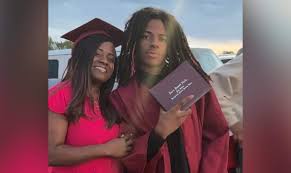
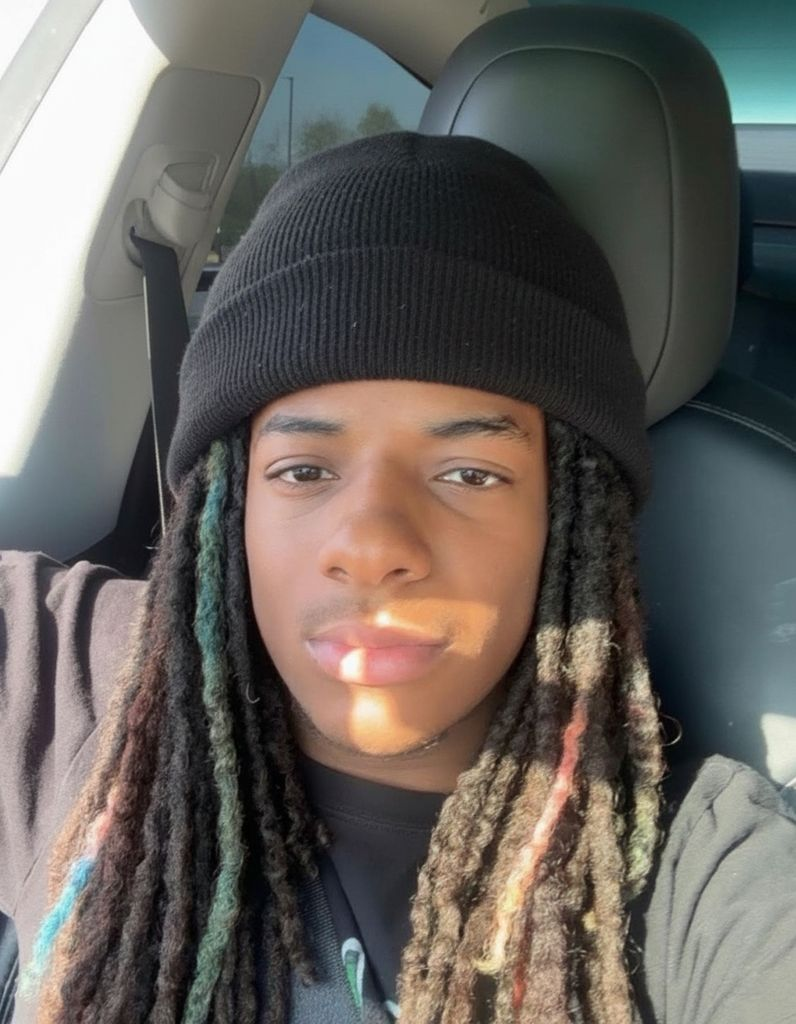
What happened to nineteen-year-old Saveion McConnell is the kind of account that should stop a country in its tracks, not slip past it as another headline in a crowded feed.
Because according to state-confirmed facts, there is no ambiguity here about the most basic truths: he was unarmed. No weapon was found on him, near him, or anywhere at the scene. And in the final moments of his life, he was struck by a sheriff’s patrol car, got back up, ran, and was then shot to death beside a Missouri highway.
That sequence alone feels almost unreal, like a broken film reel that refuses to make moral sense when played at normal speed.
A teenager on a highway shoulder should not become a fatal pursuit scenario. A collision with a patrol vehicle should not be followed by gunfire ending a life that had not yet truly begun. Yet here, that chain of events is not speculation or rumor. It is what authorities themselves have acknowledged.
And that is where the outrage sharpens, not softens.
Because when every verified fact strips away the usual defenses, what remains is a raw question of necessity. Why was lethal force the final chapter for an unarmed nineteen-year-old who, even after being hit by a patrol car, was still in motion rather than neutralized in custody? What threat was so immediate, so unavoidable, that it justified the end of a life already destabilized by impact and chaos?
These are not abstract policy questions. They are questions carved directly out of a death that now belongs to public record.
The state can confirm the facts. But confirmation is not the same as explanation. And explanation is what the public is still owed.
Because when an unarmed teenager ends up dead on the side of a Missouri highway after being struck, getting up, running, and being shot, the system involved is not just describing an incident. It is describing itself.
And right now, that description is failing to bring comfort, clarity, or anything resembling accountability.
—Kerry Hill, B1Daily




Leave a comment