—Matt Gwinta, B1Daily
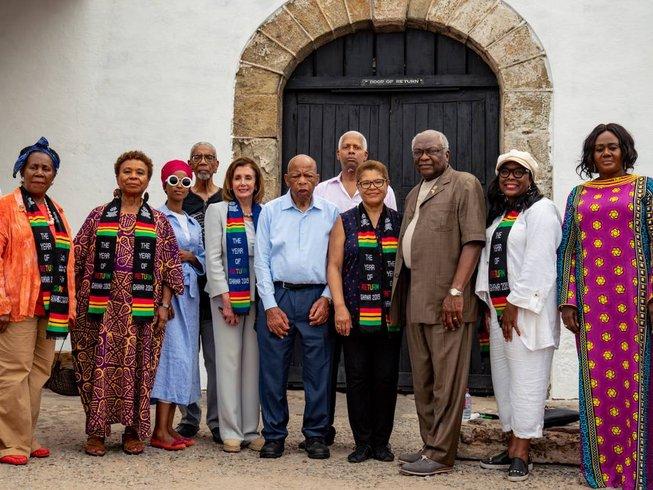
When Ghana launched the Year of Return initiative in 2019, it was presented as something historic: a symbolic bridge reconnecting descendants of the transatlantic slave trade with the African continent. For many Black Americans, it was more than tourism. It was a vision of homecoming.
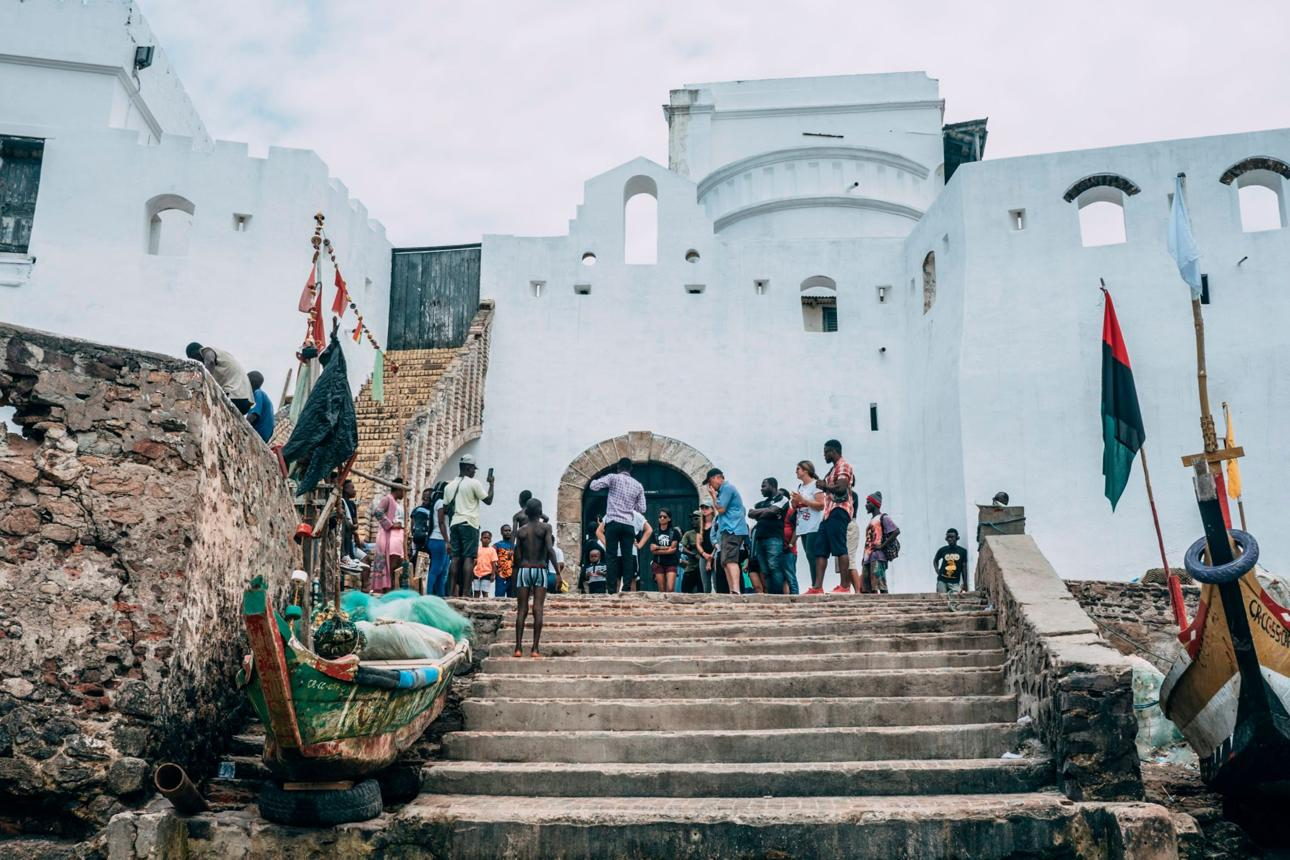
The marketing was powerful. Images of emotional visits to slave castles, investment opportunities, citizenship pathways, and Pan-African unity flooded social media. Celebrities, entrepreneurs, and activists praised Ghana as a place where Black people could finally live free from the racial burdens of the West.
Thousands answered the call.
But for many Black Americans who eventually packed their bags and relocated permanently, the reality has been far more complicated than the dream.
The “Obroni” Problem
One of the first shocks many Black American newcomers encounter is a word they hear repeatedly: “Obroni.”
In Ghanaian culture, the term is often used to describe foreigners or outsiders and does not always carry hostile intent. However, for many African Americans who arrive expecting to be viewed simply as fellow Africans returning home, the label can feel jarring.
The emotional disconnect runs deep.
Many Black Americans arrive believing they are returning to a lost homeland. Many Ghanaians, meanwhile, see them primarily as Americans.
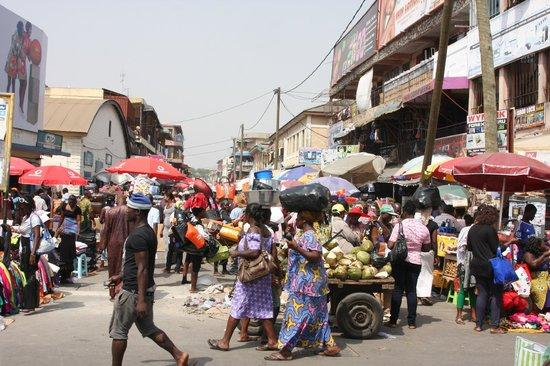
That gap in perception creates friction almost immediately.
For some newcomers, being called “Obroni” feels like a reminder that cultural identity and ancestral identity are not necessarily the same thing. Despite shared African ancestry, centuries of separation have produced different languages, customs, expectations, and social norms.
The result is often an uncomfortable realization: the continent may feel familiar historically, but socially it can feel just as foreign as any other country.
Expectations Meet Economic Reality
Social challenges are only part of the story.
Many Black Americans relocate expecting a lower cost of living and abundant business opportunities. While Ghana can be more affordable in some respects, many newcomers discover hidden costs that are rarely featured in relocation videos.
Imported goods can be expensive.
Reliable utilities may require backup systems.
Business regulations can be complex.
Property disputes and land ownership issues can be difficult to navigate without extensive local knowledge.
Some expats arrive with savings they believe will last years, only to discover that inflation, currency fluctuations, and unexpected expenses quickly change the equation.
The fantasy of immediate financial freedom often collides with the realities of building a life in a developing economy.
The Social Media Version of Africa
Part of the disconnect stems from how Ghana has been marketed online.
Social media tends to showcase luxury villas, beachfront properties, nightlife in Accra, and successful diaspora entrepreneurs.
What it often leaves out are the daily challenges:
Power interruptions.
Infrastructure limitations.
Bureaucratic delays.
Healthcare navigation.
Business startup hurdles.
Cultural misunderstandings.
For every viral success story, there are many quieter stories of people struggling to adapt.
The reality is not that Ghana is failing. It is that relocation influencers often sell a simplified narrative that no country could realistically fulfill.
The Diaspora-Continent Tension
Beneath these practical challenges lies a more sensitive issue.
Some Africans view members of the diaspora as arriving with unrealistic expectations or a romanticized view of Africa.
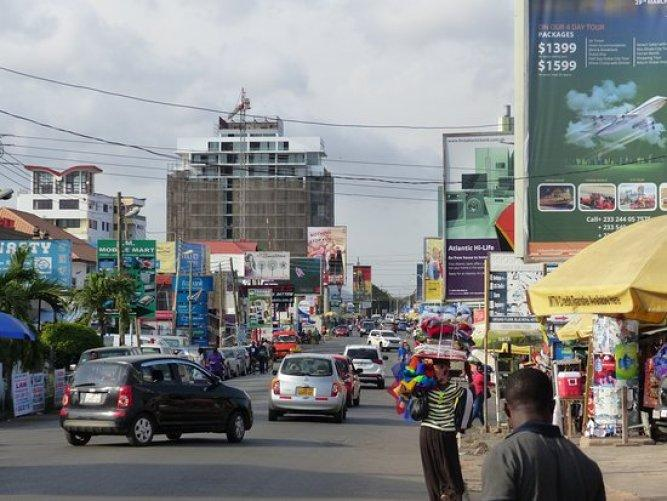
Some Black Americans feel they are treated as walking wallets, investment opportunities, or outsiders despite their ancestral ties.
Both sides often carry misconceptions about each other.
African Americans may underestimate the cultural diversity and complexity of African societies.
Africans may underestimate the historical trauma and identity questions that descendants of slavery carry.
The tension is not necessarily hostility. More often it is misunderstanding.
Yet misunderstanding can still create disappointment.
The Search for Belonging
Perhaps the deepest challenge facing some Black American migrants is not economic or cultural.
It is emotional.
Many arrive searching for belonging.
Not a vacation.
Not an investment.
Belonging.
But belonging is rarely granted immediately anywhere in the world. It is built through relationships, shared experiences, language, and time.
For some, Ghana eventually becomes home.
For others, the experience reveals that identity is more complicated than geography.
The dream of return does not automatically erase centuries of separation.
Beyond the Marketing
The Year of Return remains one of the most significant cultural initiatives in modern African history. It successfully encouraged conversations about heritage, identity, and reconnection between Africa and its global diaspora.
But the experiences of Black Americans in Ghana also reveal an important lesson.
Reconnection is not the same thing as reintegration.
The continent is not a theme park for diaspora dreams, nor is it a flawless refuge from the problems of the West.
It is a living, evolving collection of nations with their own cultures, economies, politics, and challenges.
For many Black Americans, Ghana offers opportunity, community, and a meaningful connection to ancestral roots.
For others, it offers a difficult but valuable lesson: coming home can be far more complicated than finding a place on a map.
—Matt Gwinta, B1Daily





Leave a comment