—Kerry Hill, B1Daily
ATLANTA – Georgia has become the center of a national conversation after lawmakers introduced legislation that would formally recognize Hinduphobia under state law, making it the first proposal of its kind in the United States.
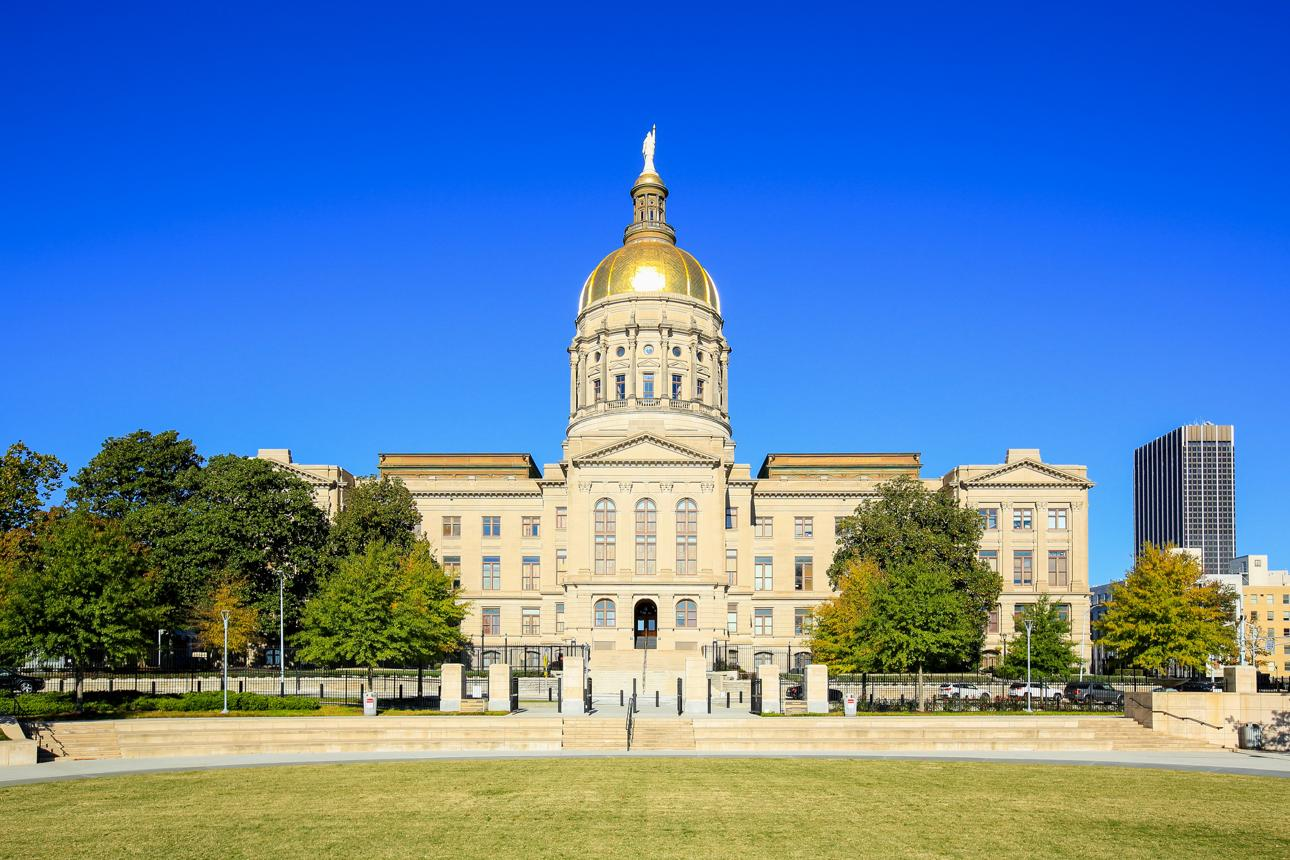
Supporters call the measure an overdue acknowledgment of anti-Hindu discrimination, while critics worry about how the legislation could affect free speech and political debate.
Here’s what the bill actually says and why it has generated national attention.
The legislation, originally introduced as Senate Bill 375 in 2025 and followed by House Bill 1124 in the 2026 legislative session, seeks to require certain Georgia agencies to consider a statutory definition of Hinduphobia when enforcing existing anti-discrimination laws. It also allows courts to consider anti-Hindu bias when determining whether a crime qualifies as a hate crime. The proposal does not create a new criminal offense or a separate class of protected individuals. Instead, it provides guidance for applying laws that already prohibit discrimination based on religion, race, color, or national origin.
The bill defines Hinduphobia as “a set of antagonistic, destructive, and derogatory attitudes and behaviors towards Hinduism and Hindus,” language similar to a resolution previously adopted by the Georgia General Assembly.
Supporters argue that the measure is necessary because incidents targeting Hindu Americans have increased in recent years. Hindu advocacy organizations point to vandalism at temples, harassment, online abuse, and acts of religious intimidation as evidence that anti-Hindu bias deserves explicit recognition in state law. They contend that formally recognizing Hinduphobia will help law enforcement identify religiously motivated crimes and improve reporting of anti-Hindu incidents.
Georgia is home to one of the nation’s fastest-growing Hindu populations, particularly around the Atlanta metropolitan area. Advocates say the state’s growing Indian American community has contributed significantly to medicine, technology, education, engineering, entrepreneurship, and public service.
Opponents, however, raise concerns that the bill’s language could create uncertainty about where criticism of political movements ends and unlawful discrimination begins. Civil liberties organizations and some South Asian advocacy groups argue that criticism of the political ideology known as Hindutva, or of the policies of the Indian government, should remain clearly protected under the First Amendment. They fear that broad interpretations of Hinduphobia could chill legitimate political discussion or academic research.
Supporters reject those concerns, noting that the legislation includes language stating that it should not be interpreted to restrict constitutionally protected speech. They argue that the bill targets discrimination against people because of their religion, not criticism of governments, public officials, or political ideologies.
The proposal also builds on action Georgia lawmakers took in 2023, when the state passed a nonbinding resolution condemning Hinduphobia and recognizing the contributions of Hindu Americans. The current legislation would go further by incorporating the definition into how certain state agencies evaluate discrimination and bias-related cases.
If enacted, Georgia would become the first state to formally define Hinduphobia in connection with the enforcement of existing anti-discrimination laws, potentially serving as a model for similar proposals elsewhere in the country.
The debate surrounding the legislation reflects a broader national discussion about balancing religious liberty, equal protection, and freedom of expression. As the bill continues through the legislative process, lawmakers will likely face continued questions over how to combat religious discrimination while preserving robust protections for public debate and political speech.
Whether viewed as an important civil rights measure or a proposal requiring additional safeguards, Georgia’s Hinduphobia legislation has become one of the most closely watched state-level religious freedom bills in the nation.
—Kerry Hill, B1Daily






Leave a comment