—Kerry Hill, B1Daily
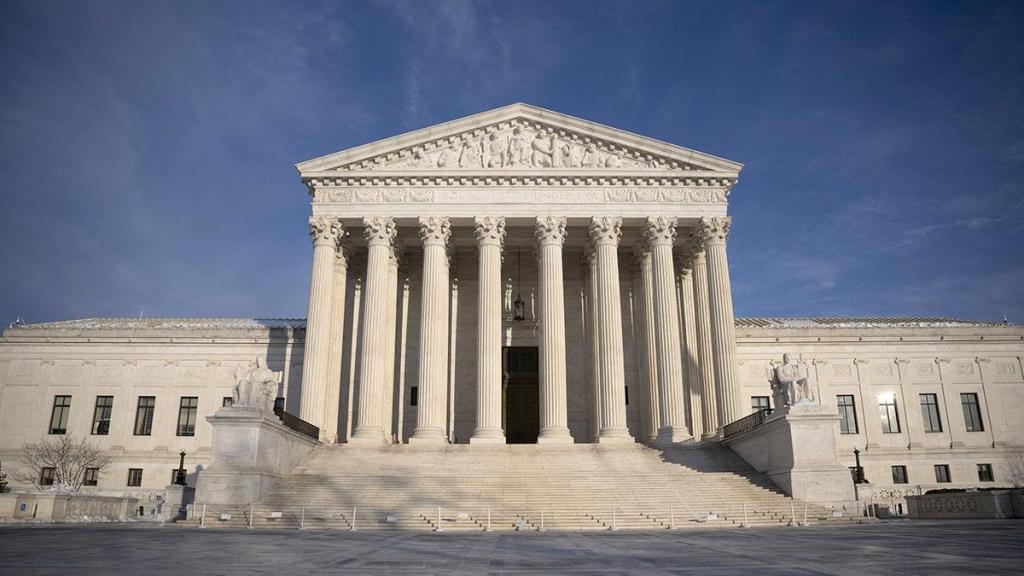
WASHINGTON, D.C. – In one of the most consequential immigration rulings of the year, the U.S. Supreme Court has ruled 6-3 that the Trump administration may proceed with ending Temporary Protected Status (TPS) for hundreds of thousands of Haitian and Syrian nationals living legally in the United States.
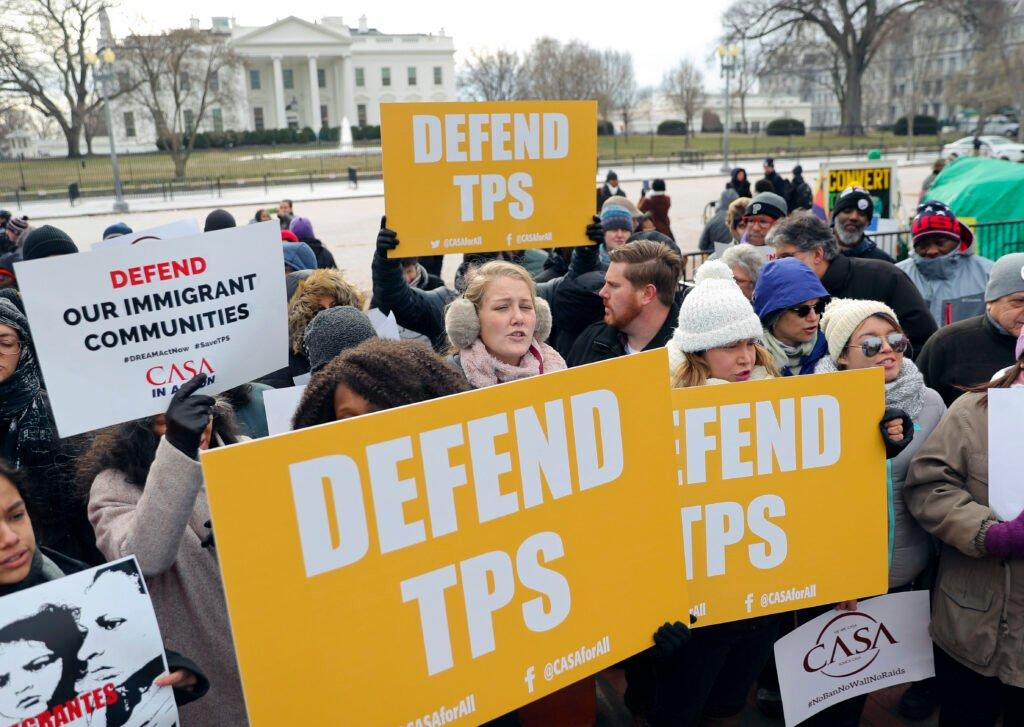
The decision represents another significant victory for the administration’s immigration agenda and could affect not only Haitians and Syrians but also future TPS designations involving other countries.
Temporary Protected Status was created by Congress in 1990 to provide temporary legal protection to individuals already living in the United States whose home countries have become unsafe because of war, natural disasters, or other extraordinary humanitarian crises. TPS allows recipients to work legally and remain in the country but does not provide a direct path to permanent residency or citizenship.
The Supreme Court’s ruling concluded that federal courts have limited authority to review the Department of Homeland Security’s decisions to terminate TPS designations. Writing for the majority, the Court held that Congress gave broad discretion to the executive branch in making these determinations.
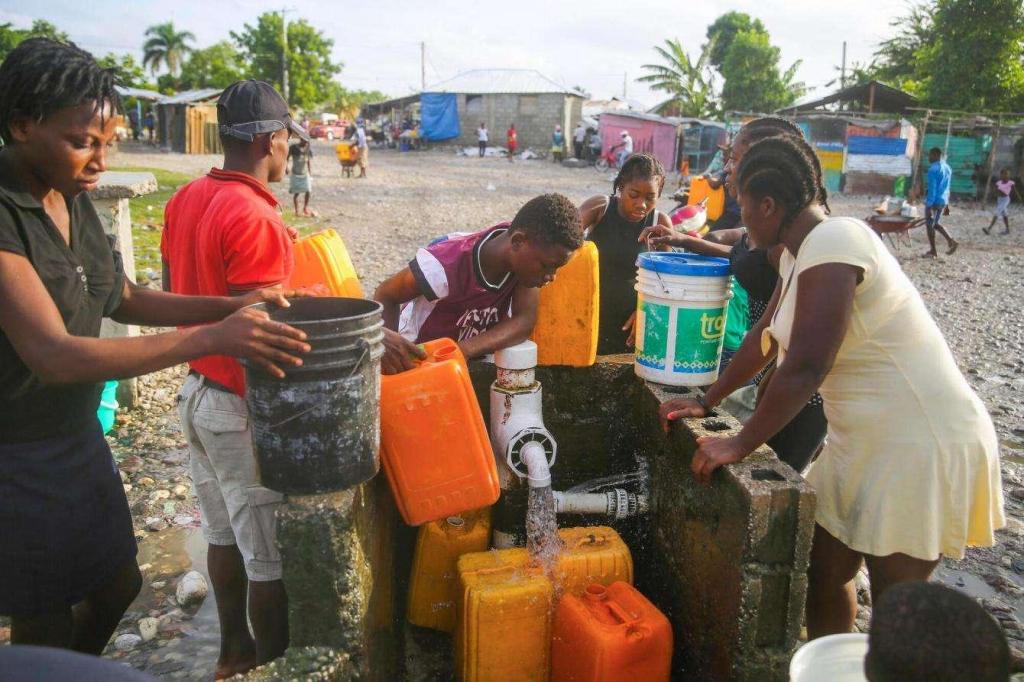
The immediate impact falls heavily on approximately 350,000 Haitian nationals and several thousand Syrian nationals who had been protected under the program. Many have lived in the United States for years, with some raising American-born children, purchasing homes, and building careers during their time under TPS.
Supporters of the ruling argue that Temporary Protected Status was never intended to become a permanent immigration program. They contend that administrations must retain the authority to determine when temporary conditions have changed enough to justify ending the protections.
Administration officials have consistently maintained that immigration laws should be enforced as written and that humanitarian programs should remain temporary rather than evolving into long-term legal residency.
Critics, however, warn that the decision could have sweeping humanitarian consequences. Advocacy organizations argue that Haiti continues to experience widespread gang violence, political instability, economic collapse, and severe humanitarian challenges. Syria likewise continues to face instability following years of civil war despite changes in political leadership.
Immigration attorneys also caution that many TPS recipients have established deep economic ties within the United States. Thousands work in health care, construction, transportation, hospitality, manufacturing, and other industries already experiencing labor shortages.
The ruling could also establish an important legal precedent. Because the Court determined that judicial review over TPS termination decisions is limited, future administrations may find it easier to end or modify protections affecting migrants from additional countries.
Legal challenges are expected to continue over related constitutional issues, but the Supreme Court’s decision allows the administration to move forward while those cases proceed.
For many families, the uncertainty remains profound. Some TPS recipients may qualify for other forms of immigration relief, while others could eventually face removal proceedings if no alternative legal status is available.
The ruling marks another chapter in the ongoing national debate over immigration policy, executive authority, and America’s humanitarian responsibilities. Whether viewed as a restoration of executive power or a reduction in humanitarian protections, the decision is likely to influence immigration law and policy for years to come.
—Kerry Hill, B1Daily




Leave a comment