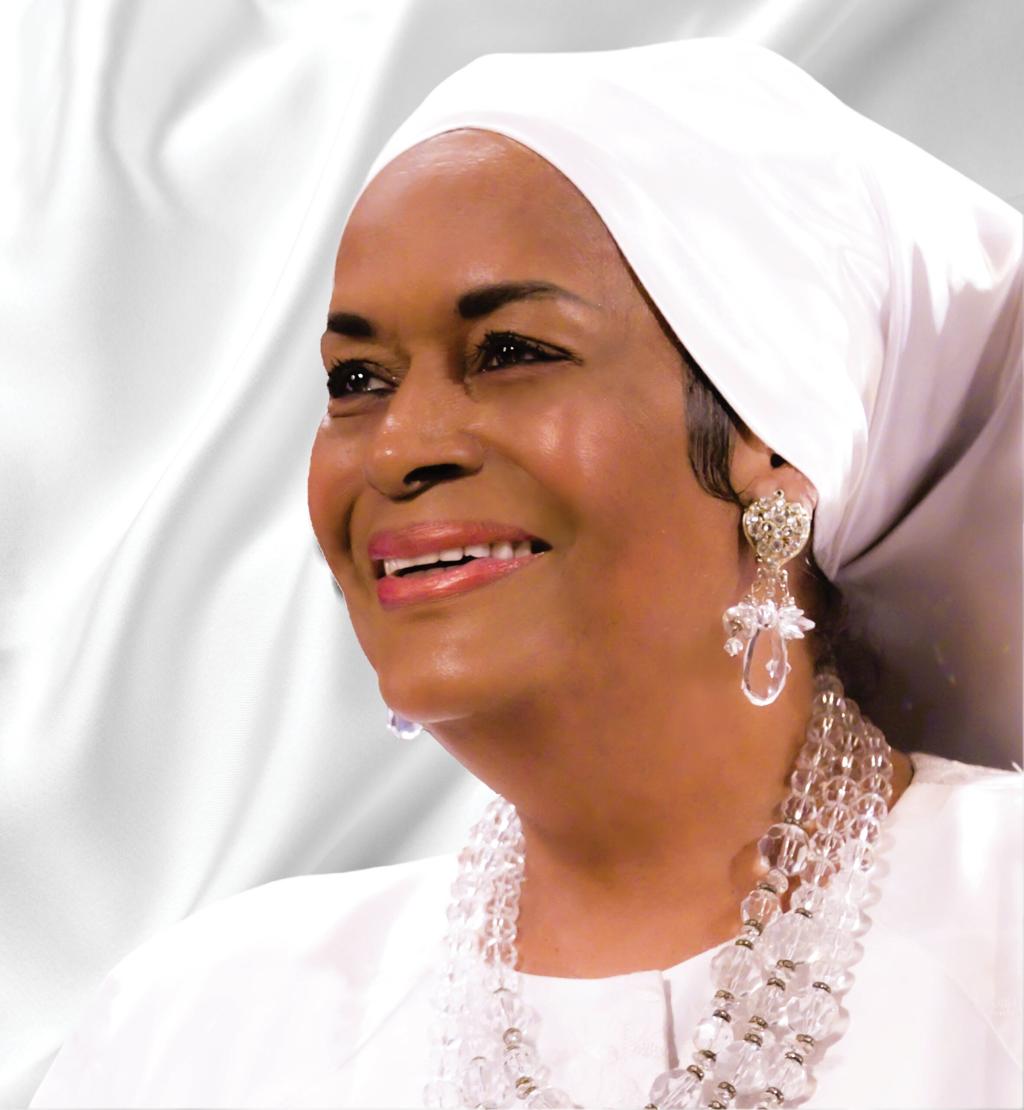
History often remembers the voices that filled stadiums, commanded microphones, and dominated headlines. But behind many of the Black community’s most recognizable leaders stood women whose influence was measured not by television cameras, but by the generations they inspired through quiet strength, discipline, and unwavering commitment.
Khadijah Farrakhan was one of those women.
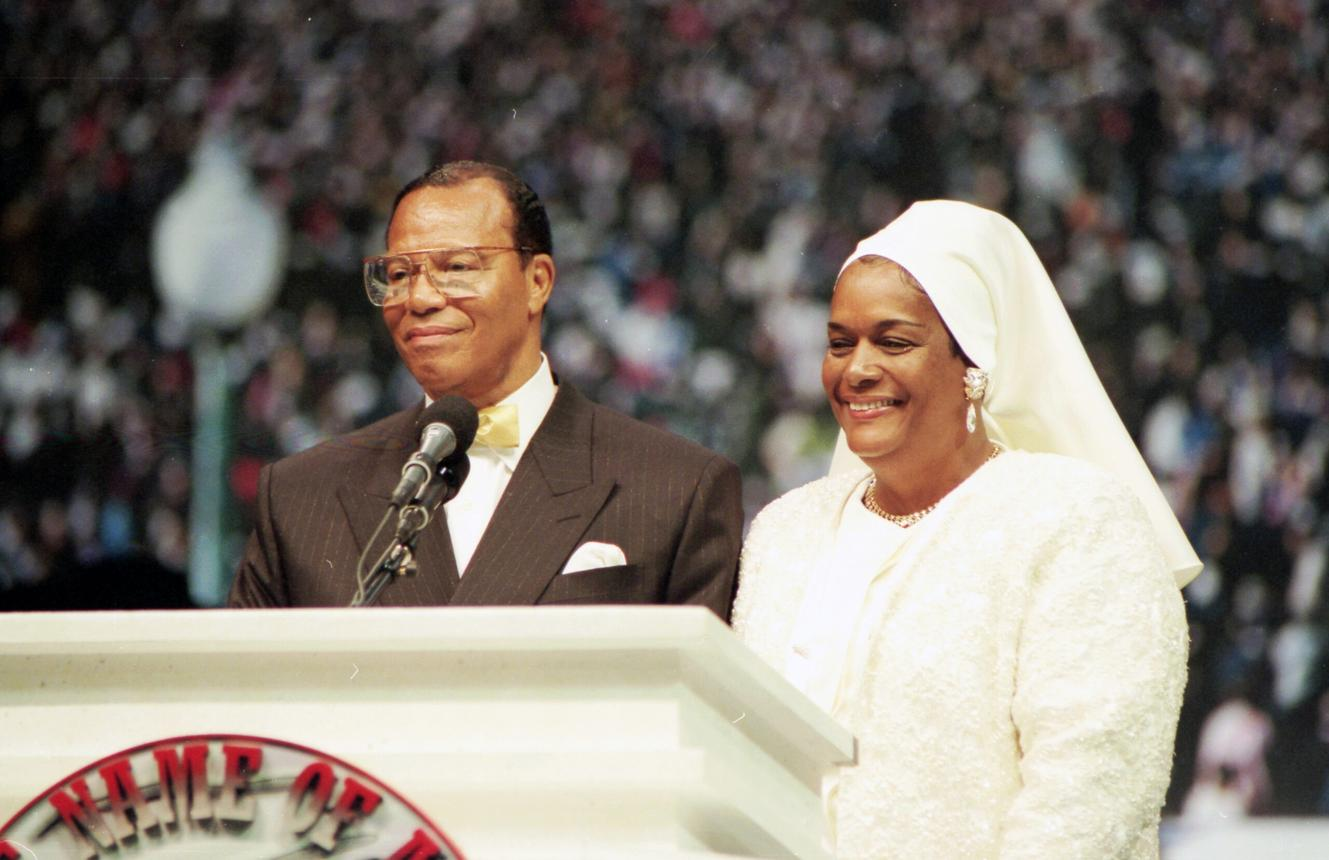
Known to many simply as “Mother Khadijah,” she passed away at the age of 90 after spending more than seven decades alongside her husband, Nation of Islam leader Minister Louis Farrakhan. While her public appearances were less frequent than his, her influence reached far beyond the stage. She became a respected symbol of faith, family, dignity, and Black womanhood for countless members of the Nation of Islam and many others throughout Black America.
Born Betsy Ross in 1935, Khadijah Farrakhan embraced Islam in the 1950s alongside her husband during a period of profound transformation in the Black freedom movement. Together they would help build one of the most recognizable Black religious and social organizations in modern American history. Through decades marked by civil rights struggles, political change, and social upheaval, she remained a constant presence behind the scenes, supporting both her family and the Nation of Islam’s mission of Black self-reliance and community development.
Although history often focuses on charismatic leaders, organizations rarely endure without individuals willing to provide stability away from the spotlight. Khadijah Farrakhan was widely viewed as one of those stabilizing forces. Admirers frequently described her as a woman of grace, discipline, and quiet leadership whose example shaped countless families within the movement. Her role demonstrated that influence is not always measured by speeches delivered, but by lives nurtured and institutions sustained over time.
One of her most memorable public moments came during the Million Woman March in 1997, where she emphasized the central role of women in strengthening families and communities. Her message reflected a broader belief that the health of a nation depends upon the strength, education, and stability of its women. That address continues to be remembered by many supporters as one of her defining contributions to public life.
Her passing also invites reflection on an era of Black leadership that is steadily fading into history. Khadijah Farrakhan belonged to a generation that witnessed segregation, the Civil Rights Movement, Black nationalism, urban transformation, and evolving conversations about economic independence. Through those decades she remained closely associated with efforts that encouraged Black families to pursue self-discipline, entrepreneurship, education, and community responsibility.
Like the Nation of Islam itself, Khadijah Farrakhan’s legacy is viewed differently across American society. Supporters celebrate her lifelong dedication to faith, family, and Black empowerment. Critics of the Nation of Islam have long challenged aspects of the organization’s teachings and public statements. Regardless of those broader debates, her personal role as a devoted wife, mother, and influential figure within the organization has been widely acknowledged in tributes following her death.
As condolences continue to arrive from supporters across the country, many are remembering not only the wife of one of America’s most recognizable Black religious leaders, but a woman whose life reflected consistency, service, and commitment over more than seventy years.
For many in the Black community, Mother Khadijah’s legacy will not simply be found in history books. It will live on in the families she encouraged, the women she inspired, and the enduring belief that lasting leadership often begins at home before it is ever seen by the world.





Leave a comment