—Barrington Williams, B1Daily
For generations, politicians have stood at podiums, delivered solemn speeches about racial justice, and pledged that America must confront its past. Few events receive more recognition than the 1921 Tulsa Race Massacre, when a prosperous Black community known as Greenwood, often called “Black Wall Street,” was devastated by racist violence. Yet more than a century later, as the last living survivors have sought reparations through the courts and public advocacy, many of those same promises have yielded little tangible relief.

This disconnect has become a point of frustration for advocates who argue that acknowledging history is not the same as repairing its damage.
The Democratic Party has frequently positioned itself as the nation’s strongest advocate for civil rights, voting rights, and racial equity initiatives. Democratic leaders have attended commemorations, issued statements honoring the victims, and spoken about the lasting legacy of Tulsa. But critics contend that symbolic recognition has not been matched by sustained political action to secure reparative compensation for the remaining survivors.
For supporters of reparations, that gap matters.
They argue that if government officials can recognize that an atrocity occurred, acknowledge that wealth was destroyed, and accept that families were permanently displaced, then justice should involve more than memorials, museum exhibits, or anniversary speeches. It should also involve addressing the measurable economic harm that continues to echo through generations.
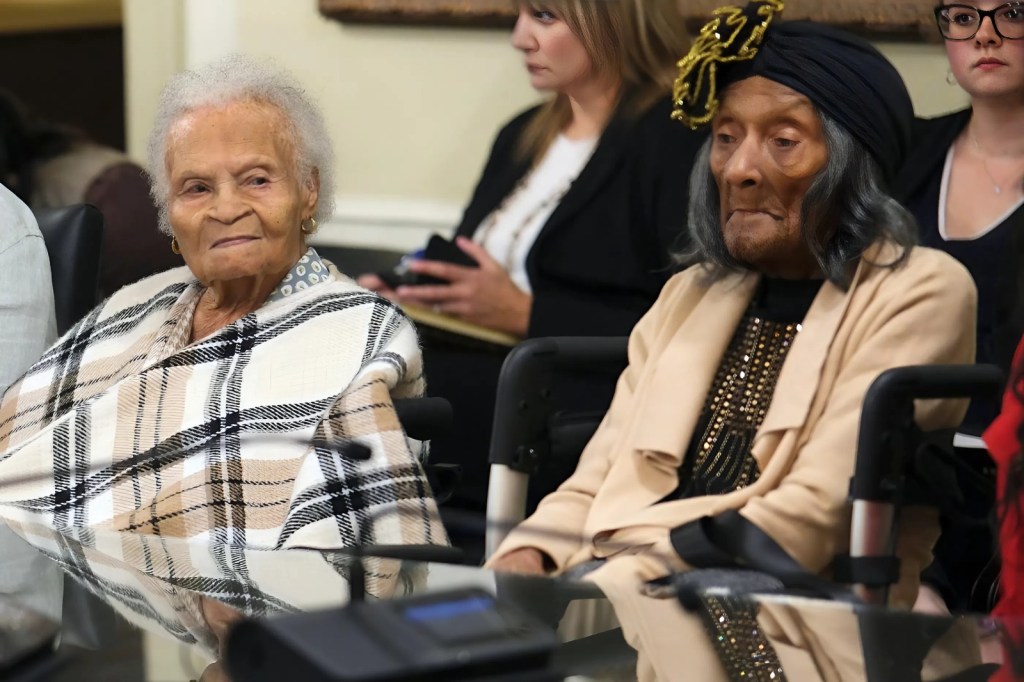
The surviving plaintiffs have spent years pursuing legal avenues, seeking compensation for losses tied to the destruction of homes, businesses, and livelihoods. Their efforts have encountered significant legal hurdles, including questions surrounding statutes of limitations and the scope of available legal remedies. Courts have generally not ruled that the massacre did not happen. Instead, many claims have turned on procedural and legal barriers rather than factual disputes.
For critics, those outcomes expose a broader problem. They argue that when existing legal frameworks cannot fully address extraordinary historical injustices, lawmakers have the authority to create new remedies if the political will exists.
That is where criticism increasingly turns toward elected officials.
Some advocates question why Democratic majorities at various points in recent decades did not pursue broader reparations legislation specifically addressing Tulsa survivors. Others point out that while national conversations about racial justice intensified after high-profile incidents in recent years, the last living survivors of one of the most notorious episodes of racial violence in American history continued aging without receiving direct compensation through federal legislation.
Supporters of Democratic leaders respond that reparations proposals face substantial constitutional, political, and procedural challenges. They note that many elected officials have supported commissions to study reparations or backed broader civil rights initiatives, even if those efforts have not resulted in direct payments to Tulsa survivors. They also argue that state and local governments share responsibility for addressing the legacy of the massacre.
Even so, frustration persists among those who believe that studying injustice cannot become a substitute for addressing it.
The Tulsa Race Massacre destroyed far more than buildings. It erased generational wealth, disrupted families, and altered the trajectory of a thriving Black community whose economic success had become a symbol of self-determination. For descendants and survivors, those losses are not abstract chapters in a history book. They represent opportunities that disappeared in smoke and violence, with consequences that extended across generations.
The debate over reparations remains politically divisive, but the passage of time has sharpened one reality that neither party can ignore: opportunities to provide justice to living survivors are becoming increasingly limited. Every year that passes narrows the possibility of delivering compensation directly to those who personally endured the aftermath of the massacre.
The question confronting policymakers is no longer whether Tulsa deserves remembrance. That question has largely been answered. The harder question is whether public recognition alone is enough, or whether justice requires material action as well.
As the remaining survivors continue their pursuit of reparative justice, their story stands as a test of whether America’s commitments to confronting racial injustice extend beyond speeches and commemorations into concrete policy. Whatever position one takes on reparations, the urgency of their claims can only diminish with time, because history’s witnesses will not be here forever.
—Barrington Williams, B1Daily





Leave a comment