—Vanessa Edwards, B1Daily
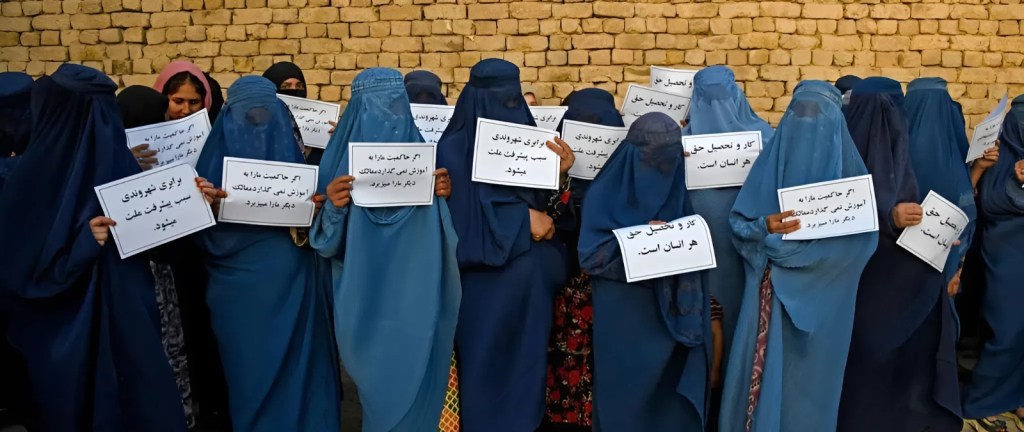
Since 2021, Afghanistan has experienced a dramatic and widely documented reversal in women’s rights under the current governing authorities.
Human rights observers describe the situation as one of the most restrictive environments for women in the world today, with limitations extending across education, employment, mobility, and public participation. These changes have reshaped daily life for millions of women and girls, narrowing access to opportunities that had expanded in previous years.
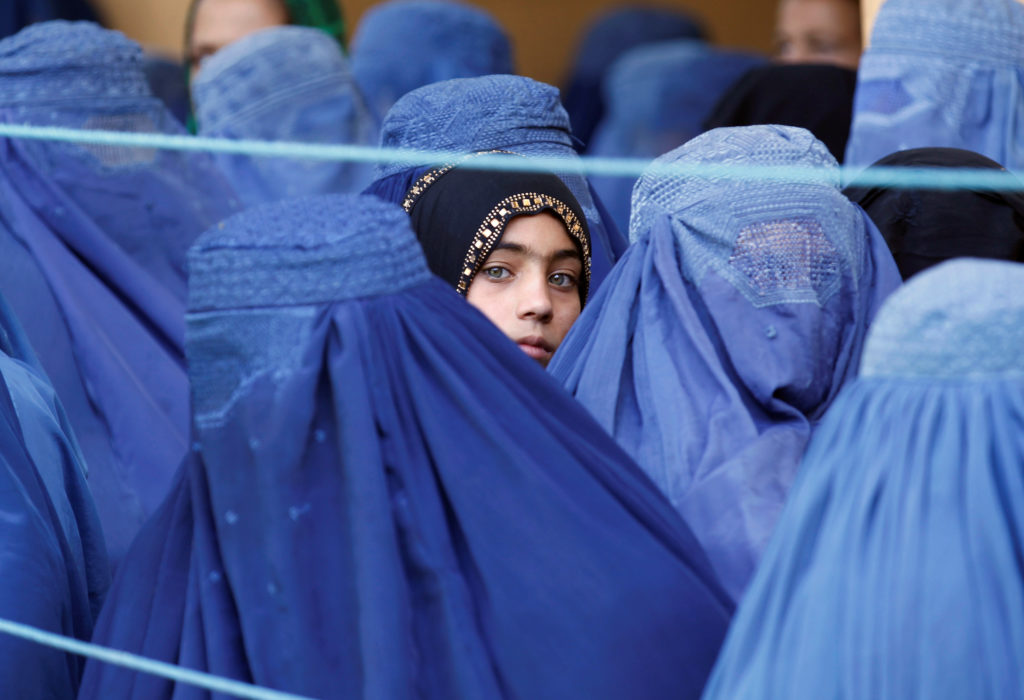
One of the most significant restrictions has been in education. Girls are barred from attending secondary school in most areas, and universities remain closed to women nationwide. Vocational training programs and professional development opportunities have also been sharply reduced or eliminated. The long-term consequence of these policies is particularly severe, as an entire generation of girls is being cut off from formal education pathways that would typically lead to economic independence and public participation.
Restrictions on mobility and public life further limit women’s autonomy. In many areas, women face requirements for male guardians when traveling, along with strict enforcement of dress codes in public spaces. Access to parks, gyms, and other recreational areas is restricted or heavily regulated. These controls reduce women’s ability to move freely, participate in community life, or make independent decisions about their daily activities.
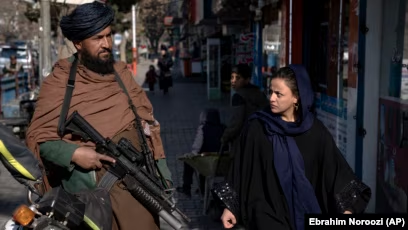
Employment opportunities for women have also been significantly reduced. Many government positions are no longer open to women, and restrictions extend into non-governmental organizations, media, and education sectors. This exclusion from the workforce has broader economic consequences, including reduced household income, increased dependence on male relatives, and fewer opportunities for financial independence.
Beyond structural restrictions, the social and psychological impact on women and girls has been profound. Reports from humanitarian organizations highlight increased levels of anxiety, depression, and isolation, as well as a growing sense of uncertainty about the future. The removal of educational and professional pathways has also affected family structures and community dynamics, placing additional strain on households already facing economic challenges.
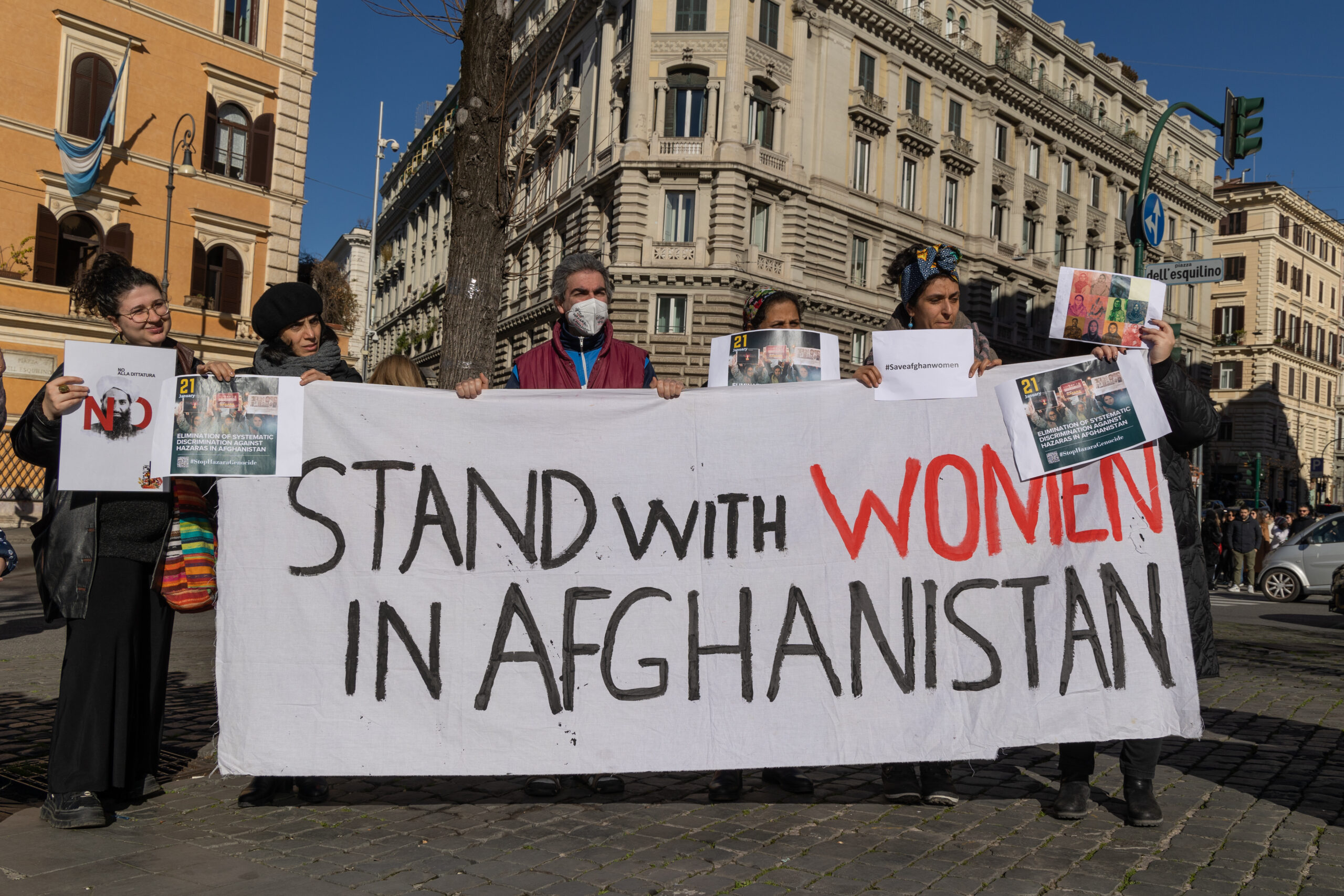
International human rights organizations and multiple governments have raised concerns about these developments, describing them as systematic and deeply restrictive. While humanitarian aid continues in various forms, political constraints limit the extent of external influence. As a result, responses from the international community have focused largely on advocacy and humanitarian support rather than direct policy change.
Compared to the period before 2021, when women in Afghanistan had expanding access to education, employment, and public life, the current situation represents a sharp reversal. Although opportunities were uneven even then, urban areas in particular had seen meaningful progress in female participation across multiple sectors. That trajectory has now been significantly disrupted.
Despite these conditions, women in Afghanistan continue to demonstrate resilience through informal education networks, community support systems, and efforts to preserve knowledge and opportunity in constrained environments. The future remains uncertain, shaped by internal policy decisions, international engagement, and the persistence of local adaptation under difficult circumstances.
—Vanessa Edwards, B1Daily




Leave a comment