—Travis Luyindama, B1Daily
Sliding a game disc into an Xbox has always been a ritual. It wasn’t just about installing a game. It was about ownership. It meant collecting steelbooks, lining shelves with your favorite titles, and knowing that years later you could still pop that disc into your console and relive the experience.
That tradition may soon become history.
According to recent reports, Microsoft’s next-generation Xbox, known internally as Project Helix, is expected to ship without a built-in disc drive. Instead, the console is rumored to embrace an entirely digital future, much like modern gaming PCs and handheld devices. While Microsoft has not officially confirmed the hardware design, the reports have already ignited passionate debate across the gaming community.

The biggest concern isn’t simply the missing disc drive. It’s what happens to the millions of physical Xbox games already sitting on players’ shelves.
Rumors suggest Microsoft is investigating a project reportedly codenamed “Positron,” which could allow players to convert certain physical games into digital entitlements. If implemented, such a system might preserve access to existing libraries while allowing future Xbox hardware to abandon optical media altogether. However, details remain scarce, and even the original reports caution that the concept is still speculative.
For gamers, the stakes are enormous.
Physical media has always represented more than convenience. It provides permanent ownership, resale value, game preservation, and protection against disappearing digital storefronts. If a publisher removes a digital title from sale, players who own the disc can often continue playing indefinitely. Digital purchases, by contrast, rely on licensing agreements and platform ecosystems that consumers ultimately do not control.

Microsoft has spent years assuring Xbox fans that their game libraries would carry forward through backward compatibility. A digital-first Project Helix would test that promise in ways no previous console generation has.
From Microsoft’s perspective, however, the move makes business sense.
Digital games eliminate manufacturing costs, shipping expenses, retailer markups, and used-game sales that generate no revenue for publishers. Digital ecosystems also encourage subscriptions like Xbox Game Pass, cloud gaming, downloadable content, and ongoing service revenue that traditional boxed games simply cannot match.
The gaming industry has already been moving in this direction. A growing majority of game purchases now occur digitally, and even competing platforms increasingly emphasize downloadable content and subscription services. For Microsoft, removing the disc drive could reduce hardware costs while simplifying a console increasingly designed to blur the line between Xbox and Windows PCs.
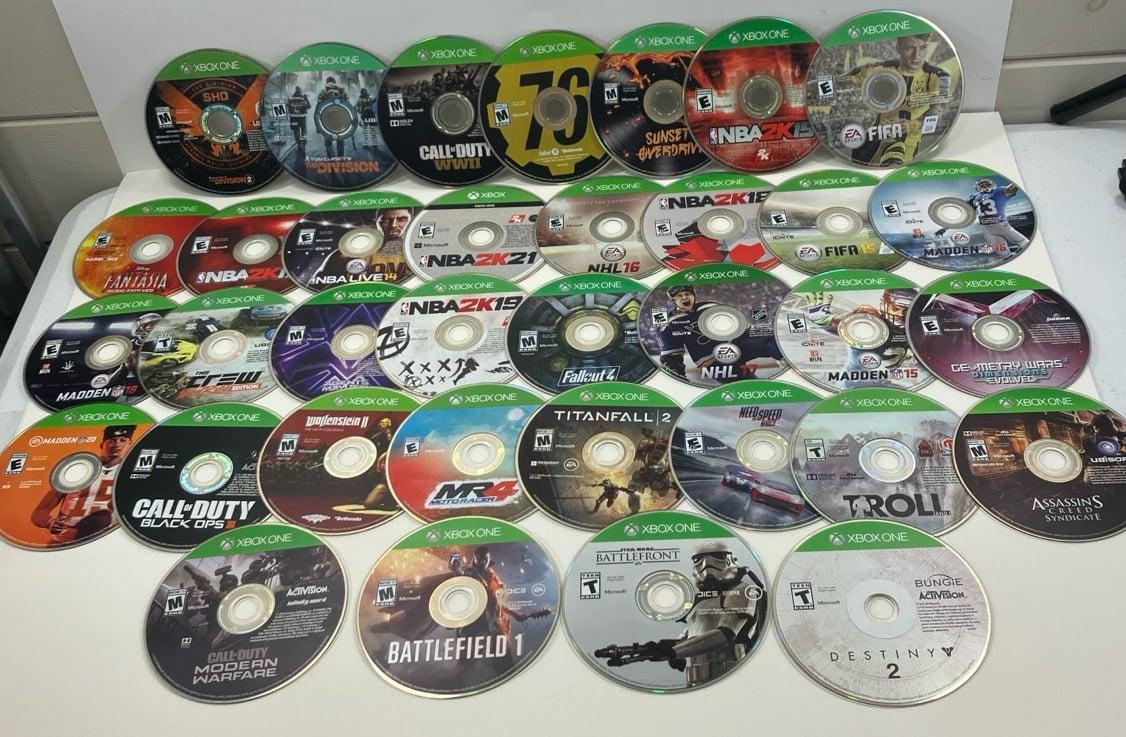
Still, many longtime Xbox fans remain skeptical.
Collectors worry about losing one of gaming’s most cherished traditions. Preservation advocates argue that physical media remains essential for maintaining access to gaming history. Others simply dislike the idea that a future console could leave decades of purchased discs collecting dust unless Microsoft delivers a seamless bridge between physical ownership and digital licensing.
The rumored Positron program, if it becomes reality, may determine whether players embrace or reject Microsoft’s vision. A generous system that recognizes existing physical collections could soften the transition. A limited or restrictive system could deepen concerns that gamers are gradually losing true ownership in favor of perpetual licensing.
Until Microsoft officially unveils Project Helix, every discussion remains rooted in rumor rather than confirmed product specifications. But one thing is already clear: the conversation is no longer just about faster processors or prettier graphics. It’s about what ownership means in an era where gaming is becoming increasingly digital.
Whether players welcome that future or resist it may shape not only the success of Project Helix, but the direction of console gaming for the next decade.
—Travis Luyindama, B1Daily






Leave a comment