—Sylvester Loving, B1Daily
A historic agreement between Germany and Namibia, intended to confront one of the darkest chapters of colonial history, has instead opened a new wave of political tension, legal debate, and community frustration.
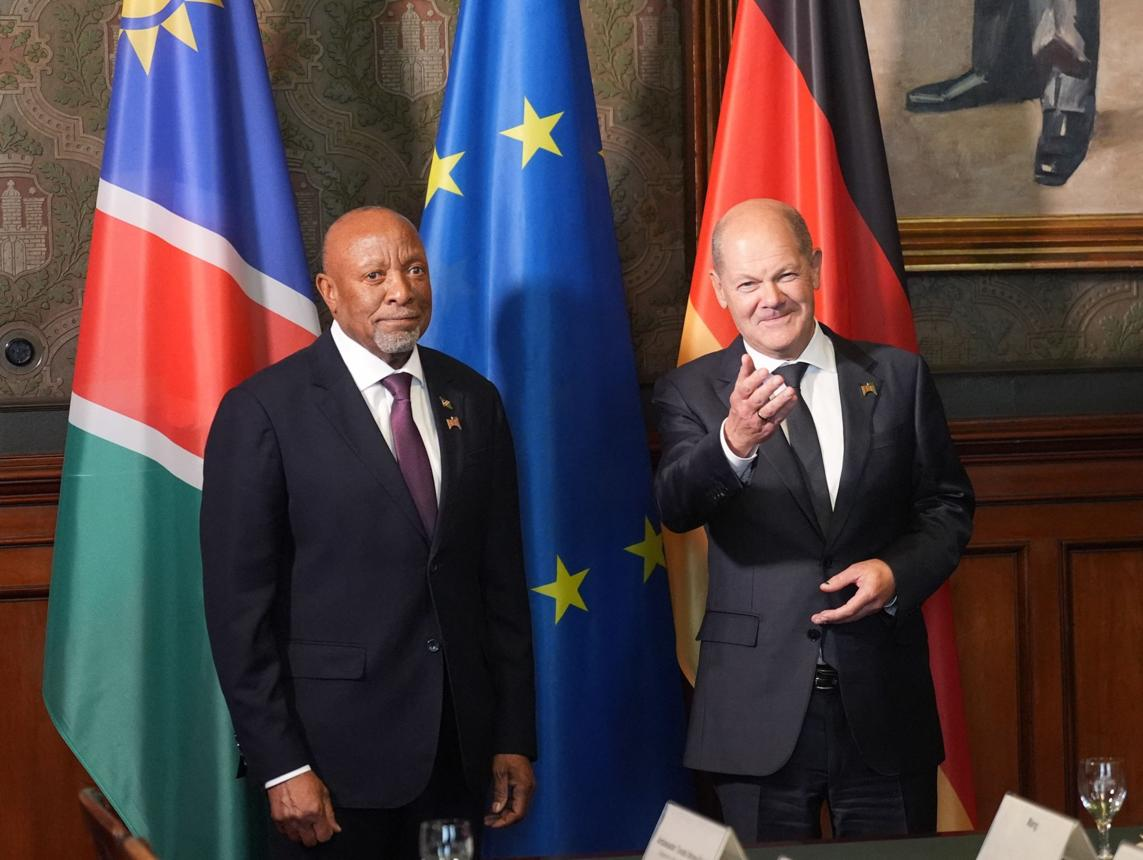
Under the deal, Germany has officially acknowledged that its colonial forces committed genocide against the Herero and Nama people during the early 20th century, a period marked by mass killings, forced displacement, and systemic destruction of indigenous communities between 1904 and 1908. In exchange, Berlin agreed to provide approximately €1.1 billion in development funding to Namibia over a 30-year period. The agreement has been widely described as “historic,” but its interpretation on the ground is deeply divided.
For the Namibian government, the deal represents a breakthrough after years of negotiations with its former colonial ruler. Officials have presented it as a milestone in diplomatic relations and a step toward long-term development support for communities affected by colonial violence. Government leaders have emphasized that securing formal acknowledgment of genocide from Germany was a major achievement in itself, marking a rare instance of a former colonial power explicitly recognizing such crimes.
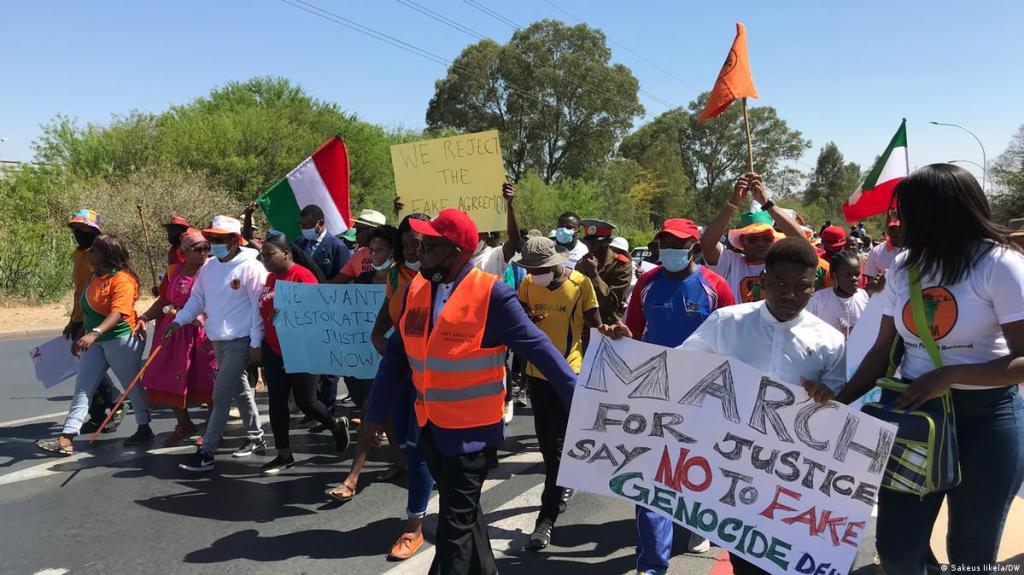
However, the agreement has been met with fierce criticism from opposition lawmakers and representatives of the Herero and Nama communities, who argue that the settlement falls short of genuine justice.
One of the central points of contention is the framing of the financial package. While Germany agreed to provide substantial funding, it explicitly avoided labeling the payments as “reparations.” German officials argued that using the term could imply legal liability under international law, particularly the 1948 UN Genocide Convention. Instead, the funds are structured as development aid and reconstruction support, a distinction that critics say dilutes the moral and historical responsibility implied by the genocide recognition.
For many descendants of the victims, that distinction is not merely semantic. Herero and Nama leaders have described the agreement as a “public relations coup,” arguing that it acknowledges historical truth while avoiding the legal and financial consequences that reparations would entail. They contend that the communities most affected by the genocide were not adequately included in the negotiation process, and that their voices were sidelined in discussions that directly affect their historical claims and future economic recovery.
Another major source of frustration is the structure of the payout itself. The €1.1 billion package is scheduled to be distributed over three decades, a timeline critics argue significantly reduces its immediate impact. Opponents say that spreading the funds over such a long period undermines the urgency of addressing generational trauma, land dispossession, and economic inequality that continue to affect Herero and Nama communities today.
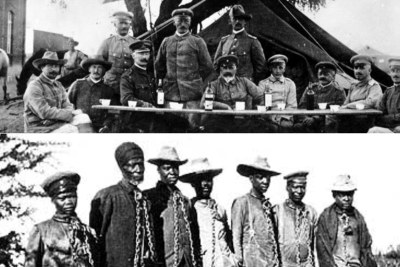
The agreement follows years of formal negotiations that began in 2015, when Namibia and Germany entered talks over the legacy of the 1904–1908 genocide. During that period, German colonial troops carried out brutal military campaigns against the Herero and Nama people after uprisings against colonial rule. Historians widely describe the events as one of the first genocides of the 20th century, involving mass killings, forced displacement into desert regions, and the establishment of concentration camps where thousands died.
The eventual 2021 agreement was intended to close a long-standing diplomatic and moral gap between the two countries. Yet rather than resolving historical grievances, it has exposed differing expectations of what justice should look like more than a century after the crimes occurred.
Supporters of the deal argue that securing an official genocide acknowledgment from Germany is a significant diplomatic achievement that sets an important precedent in international relations. They also note that the funding could support infrastructure, education, and development projects that benefit broader Namibian society, including descendants of the affected communities.
Critics, however, argue that development aid cannot substitute for reparations rooted in accountability. They maintain that the communities directly impacted by the genocide should have been central participants in shaping both the negotiation process and the final agreement. Without that inclusion, they argue, the deal risks reinforcing historical patterns in which decisions about African lives and lands are made without African agency.
The debate has also highlighted broader questions about how former colonial powers address historical atrocities in the modern era. As countries across Africa and the global South continue to push for recognition and restitution for colonial-era violence, the Namibia–Germany agreement has become a focal point in the ongoing global conversation about reparations, historical accountability, and the limits of diplomatic compromise.
For now, the deal stands as both a milestone and a source of division: a formal acknowledgment of genocide on one hand, and a reminder on the other that recognition alone does not resolve the deep economic and emotional legacies of colonial violence.
As the funds begin to flow over the coming decades, the central question remains unresolved: whether development aid framed as reconciliation can satisfy demands for justice rooted in one of the most devastating episodes of colonial history in Africa.
—Sylvester Loving, B1Daily




Leave a comment