—Matt Gwinta, B1Daily
For many Liberians, accessing government services has traditionally meant traveling to offices, waiting in long lines, and spending valuable time navigating paperwork. But that process may soon become a thing of the past as the National Social Security and Welfare Corporation (NASSCORP) takes a major step toward digital transformation.
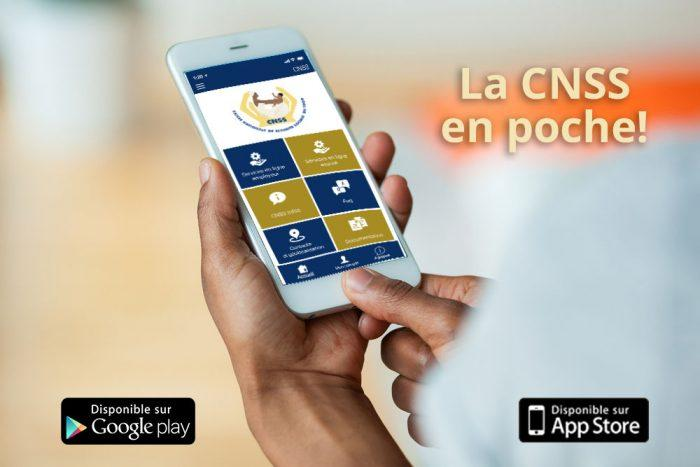
The launch of a social security services platform represents a shift toward making retirement benefits, contribution records, and other important services available through digital access. NASSCORP was created to provide social protection for Liberian workers and administer programs including the Employment Injury Scheme and National Pension Scheme.
The message behind the technology is simple: social security should not require citizens to chase the system. The system should be able to reach citizens.
Bringing Social Security Into the Hands of the People
For workers in Monrovia and rural communities alike, a mobile-based service could dramatically change how people interact with NASSCORP.
Instead of traveling long distances to check contribution histories or ask questions about benefits, citizens could eventually have access through their phones. This is especially important in a country where transportation costs and distance can create major barriers to accessing public services.
Digital access could allow workers to:
- Check contribution information
- Monitor pension records
- Receive updates about benefits
- Access important social security information without visiting an office
NASSCORP has emphasized expanding accessibility and improving service delivery, including efforts to allow beneficiaries to receive services through digital channels.
A Major Step for Liberia’s Digital Future
Liberia, like many African nations, has seen growing interest in using technology to improve government efficiency. Mobile phones have become one of the continent’s most powerful tools for financial inclusion, allowing citizens to access services without needing traditional infrastructure.
The NASSCORP digital push follows a broader movement across Liberia to modernize government services. From mobile payments to online systems, the country is increasingly exploring ways technology can reduce bureaucracy and improve transparency.
For ordinary workers, the biggest benefit may not be flashy technology. It may simply be convenience.
A market vendor, teacher, construction worker, or office employee should not have to lose an entire day just to confirm whether their social security contributions are properly recorded.
Protecting Workers Beyond Retirement
Social security is about more than old age. For many families, these programs represent a safety net during some of life’s hardest moments.
NASSCORP manages programs designed to provide protection for workers facing job-related injuries, retirement, disability, and other income disruptions. Dependents may also benefit in certain circumstances.
By improving access to information, the digital platform could help more Liberians understand what benefits they have earned and how the system works.
A social security system only works when citizens trust it. Transparency and easy access are powerful tools for building that trust.
The Challenge: Making Sure Everyone Can Participate
While the digital transition offers major opportunities, Liberia will also face challenges.
Not every citizen has reliable internet access, smartphones, or digital literacy. Rural communities may need additional support to ensure technology does not create a new divide between those who are connected and those who are not.
Government agencies will need to combine digital services with traditional assistance so that elderly citizens, rural workers, and vulnerable populations are not left behind.
The goal should not simply be creating an app. The goal should be creating a system where every Liberian can benefit from it.
A New Chapter for African Public Services
Liberia’s NASSCORP digital transformation represents something bigger than a technology upgrade. It reflects a changing expectation of government in the modern era.
Citizens increasingly expect services to be faster, simpler, and available wherever they are. A person’s access to retirement security should not depend on how close they live to a government office.
If successfully implemented, Liberia’s social security app could become a model for how African nations use technology to make public services more accessible, transparent, and citizen-focused.
The future of government may not be found behind a desk in a government building. It may be found in the phone already sitting in millions of citizens’ hands.
—Matt Gwinta, B1Daily






Leave a comment