
—Barrington Williams, B1Daily
The American Midwest has always put up a front, it pretends to be known for its family farms, close-knit communities, and hardworking values. Yet behind the peaceful image of rural roads and small towns, another story unfolded during the 1990s and early 2000s. Across states including Iowa, Missouri, Illinois, Kansas, Nebraska, Oklahoma, Indiana, and parts of Minnesota, clandestine methamphetamine laboratories became an alarming reality.
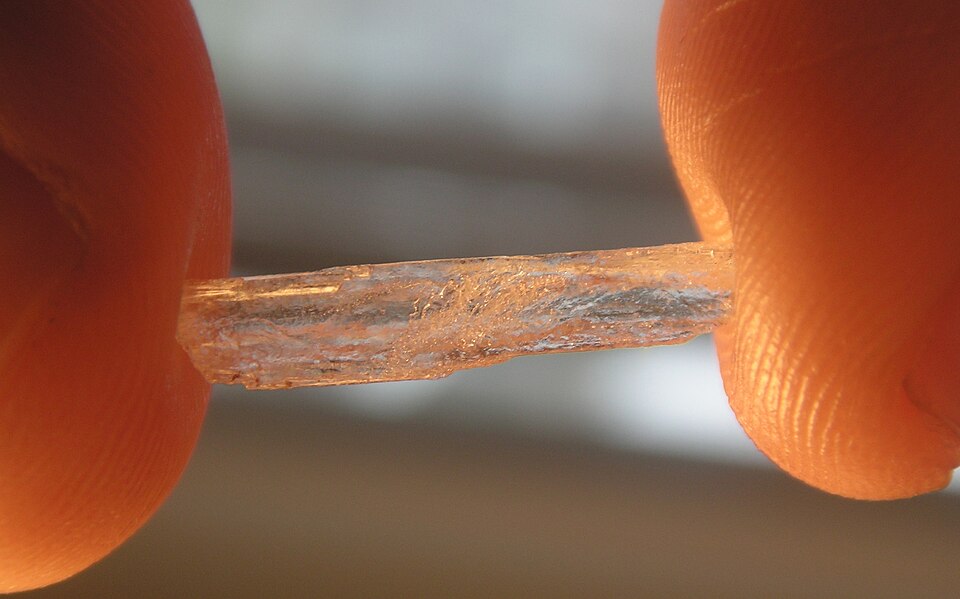
The meth epidemic was unlike previous drug crises. Instead of relying entirely on large trafficking organizations, many communities saw white supremacists manufacturing methamphetamine in garages, sheds, motel rooms, abandoned houses, and even vehicles.
The result was a dangerous combination of addiction, toxic chemical waste, explosions, and long-lasting damage to neighborhoods. Congressional hearings from the late 1990s documented a dramatic increase in clandestine meth labs throughout Iowa and neighboring Midwestern states, with hundreds of labs being seized annually by law enforcement.
Why the Midwest?
Several factors made parts of the Midwest vulnerable to clandestine meth production.
Rural isolation provided places where illegal drug manufacturing could be hidden from public view. Agricultural communities also had easier access to certain chemicals that could be diverted for illicit use. At the same time, economic hardship in some areas created conditions that criminal enterprises exploited.
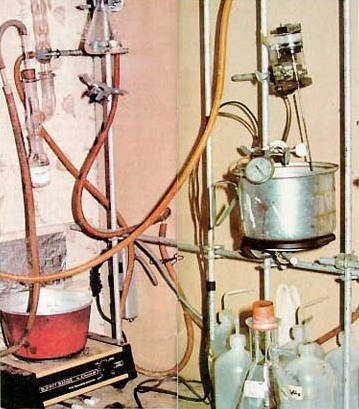
Small “one-pot” or “shake-and-bake” laboratories became increasingly common because they could be assembled using household items and precursor chemicals that were widely available at the time. These makeshift operations were notoriously unstable and frequently caused fires, explosions, and toxic contamination.
A Public Health Crisis Beyond Crime
Meth labs posed dangers that extended far beyond drug trafficking.
Every lab produced hazardous chemical waste that could contaminate homes, soil, and groundwater. Families sometimes unknowingly moved into former meth lab properties requiring extensive environmental cleanup before they were safe to occupy.
Emergency responders faced significant risks entering active labs because of flammable chemicals and poisonous fumes. Children living in homes where meth was produced were especially vulnerable to chemical exposure and neglect, making the crisis as much about child welfare and public health as criminal enforcement.
The Law Changed the Landscape
By the mid-2000s, federal and state lawmakers responded by restricting access to pseudoephedrine and other precursor chemicals through measures such as the Combat Methamphetamine Epidemic Act.
These restrictions dramatically reduced the number of small domestic meth labs in many Midwestern communities. However, the overall meth problem did not disappear. Instead, law enforcement agencies reported that much of the supply shifted toward larger criminal trafficking organizations producing meth outside the region and transporting it into the Midwest.
Broken Communities
Although the number of neighborhood meth labs has declined compared with their peak, many Midwestern communities continue to deal with the long-term effects of methamphetamine addiction.
Former lab sites still require remediation, treatment providers continue to serve individuals recovering from addiction, and law enforcement agencies remain focused on disrupting trafficking networks that supply meth across the region.
The story of meth in the Midwest is ultimately more than a crime story. It is a reminder of how economic stress, addiction, limited access to treatment, and illegal drug markets can combine to reshape entire communities. Understanding that history is essential to preventing future public health crises and supporting recovery for those affected.
—Barrington Williams, B1Daily





Leave a comment