—Barrington Williams, B1Daily
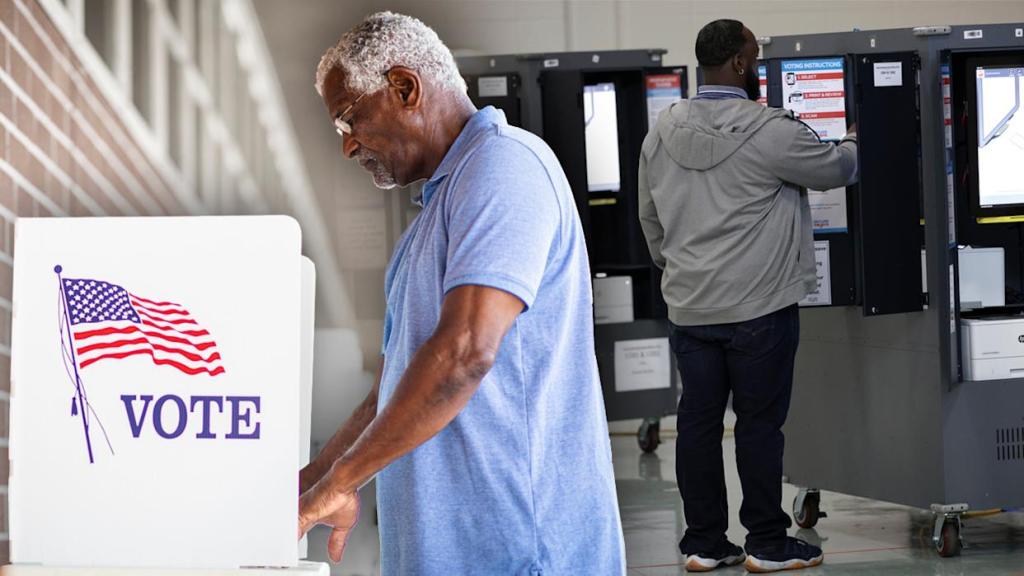
For too long, both major political parties have courted Black voters with familiar promises. Democrats have campaigned on protecting civil rights, expanding healthcare, and increasing social spending. Republicans have emphasized economic opportunity, entrepreneurship, school choice, and criminal justice reform. Yet in 2026, many Black Americans are demanding something far more concrete than campaign slogans. They want action on three issues that have remained unresolved for generations: reparations, economic empowerment, and a hate crime law for anti-Black violence.
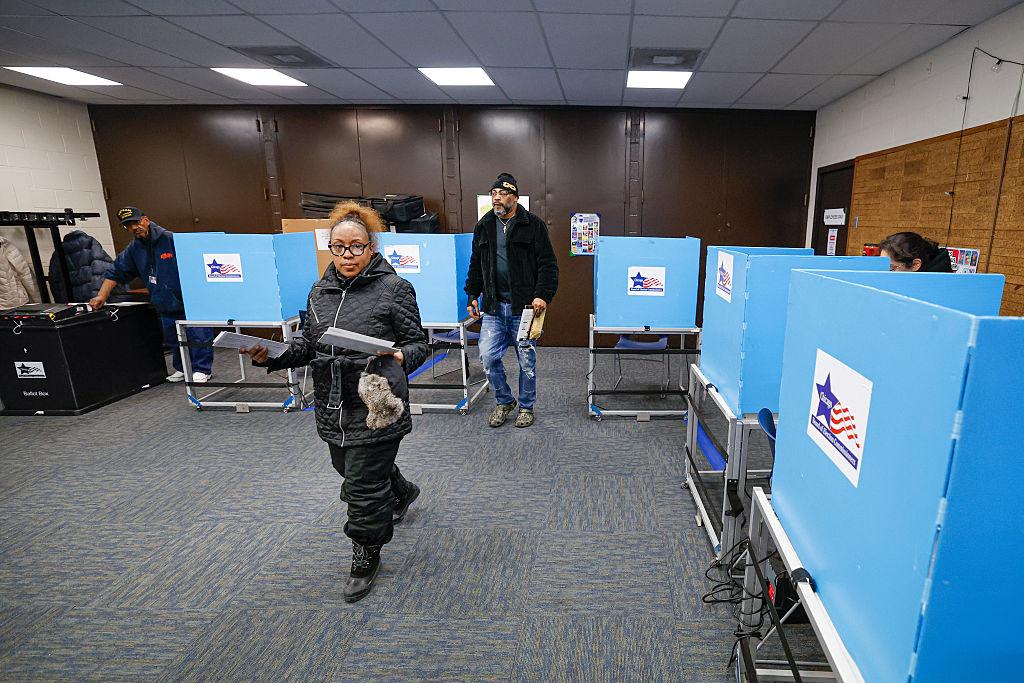
Among those priorities, reparations have become one of the clearest dividing lines in modern American politics.
The debate has moved beyond activist circles and university classrooms. It has become a serious policy issue for many Black voters who believe the United States has never fully addressed the economic consequences of slavery, Jim Crow segregation, racial terrorism, discriminatory housing policies, and decades of government-sanctioned exclusion from wealth-building opportunities.
For many descendants of enslaved Americans, reparations are not simply about acknowledging history. They are about repairing measurable economic damage that continues to shape the lives of millions today.
The wealth gap remains substantial. Black families continue to possess significantly less inherited wealth than White families, while homeownership, business ownership, and access to generational assets remain uneven. Advocates argue these disparities are not accidents of the free market but the cumulative result of centuries of discriminatory public and private policies.
While Democrats have generally shown greater willingness to discuss reparations through measures such as proposals to study the issue, many Black voters are growing impatient with commissions and studies that do not translate into legislation. Republicans, meanwhile, have largely opposed federal reparations, arguing that expanding economic opportunity, lowering taxes, supporting entrepreneurship, and increasing educational choice represent better long-term solutions.
For a growing number of Black voters, however, the question is straightforward: if government policies helped create these disparities, should government also play a role in addressing them?
Economic justice is only one part of the conversation.
Many Black communities are also demanding stronger protections against racially motivated violence. Highly publicized attacks in churches, grocery stores, neighborhoods, schools, and public spaces have renewed calls for policymakers to take anti-Black violence more seriously. Community advocates argue that racially motivated attacks targeting Black Americans deserve sustained national attention and consistent enforcement of existing hate crime laws. Others have proposed additional legislation focused specifically on preventing anti-Black hate crimes, strengthening investigations, improving data collection, supporting victims, and enhancing penalties where constitutionally appropriate.
Supporters of such proposals contend that legislation should recognize patterns of racially motivated violence while investing in prevention, law enforcement training, and community safety. Critics of crime-specific legislation sometimes argue that existing hate crime statutes already provide the necessary legal tools if they are consistently enforced. The debate therefore centers not only on whether new laws are needed, but also on how best to ensure Black communities receive equal protection under the law.
Regardless of where policymakers stand, many Black voters increasingly expect both political parties to explain how they will respond to racially motivated violence alongside broader concerns about economic inequality.
The 2026 political landscape also reflects a shift in voter expectations. Party loyalty alone is becoming less influential than policy outcomes. Many Black voters, particularly younger generations, are evaluating candidates based on measurable commitments rather than longstanding political affiliations.
Questions that once received little national attention are now appearing at community forums, town halls, and campaign events.
What is your plan to close the racial wealth gap?
Do you support meaningful reparative policies?
How will you protect Black communities from racially motivated violence?
What measurable actions will your administration take rather than simply issuing statements after tragedy strikes?
These are no longer fringe questions. They are increasingly central to how many Black Americans evaluate candidates for local, state, and federal office.
Neither Democrats nor Republicans can assume Black voters will be satisfied with symbolic gestures or election-year outreach. They are being asked to present concrete plans for economic mobility, public safety, criminal justice, educational opportunity, and wealth creation while also addressing the historical legacy that continues to influence modern disparities.
As the 2026 election cycle accelerates, both parties face the same challenge. Black voters are asking for more than promises. They are asking for policies that address historical inequities, strengthen protections against racially motivated violence, and produce measurable improvements in the lives of Black Americans.
For many voters, the future debate is no longer simply about which party offers the better message. It is about which party is prepared to deliver lasting results.
—Barrington Williams, B1Daily




Leave a comment