—Kel McKnight, B1Daily
The internet may move at lightning speed, but many of the trends racing across social media have roots in Black creativity.
Across X, TikTok, YouTube, Instagram and earlier platforms, Black creators have played an outsized role in shaping how people joke, dance, communicate and participate in online culture. What begins within a Black digital community can quickly become a meme, phrase or format used by millions of people who may never encounter the person who originated it.

Black Twitter became perhaps the clearest example. More than simply a collection of Black users, it developed into an influential cultural ecosystem where jokes, commentary, hashtags and reactions could travel from smartphones into television, advertising, journalism and everyday conversation. WIRED has described Black Twitter as an important source of memes, hashtags and trends that influenced the wider social internet.
TikTok brought that influence into an even more visual era.
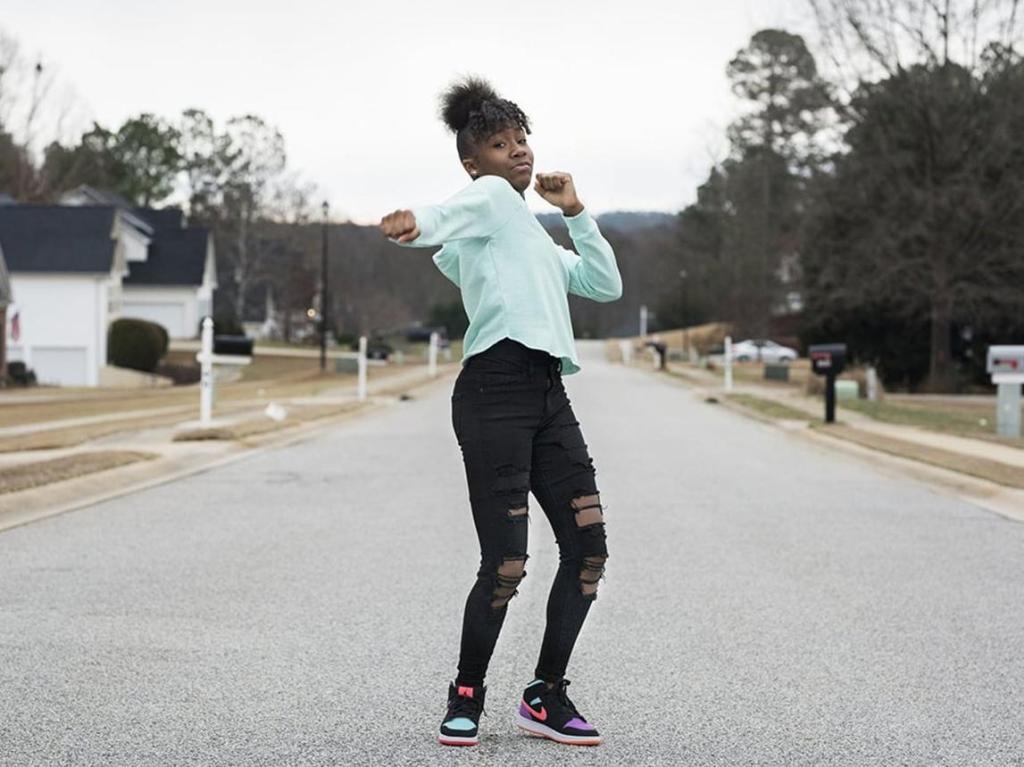
Black choreographers helped create some of the platform’s defining dance crazes. Jalaiah Harmon’s Renegade, Keara Wilson’s Savage Challenge and other routines spread to enormous audiences. Yet Black creators repeatedly complained that larger non-Black influencers reproduced their work and sometimes received greater attention, opportunities and recognition than the people who originated the dances.
The frustration eventually produced the 2021 Black TikTok strike, during which creators deliberately withheld new choreography to highlight how dependent viral culture had become on their creative labor. The protest transformed a seemingly trivial question about dance credit into a larger debate about who creates internet culture and who gets paid for it.

That problem hasn’t disappeared. A 2025 academic study examining attribution on TikTok found that the platform’s algorithms and features can create ambiguity over authorship, an especially consequential issue in a creator economy where visibility can translate directly into money and professional opportunities.
Black influence online also extends far beyond dance. Reaction GIFs, meme formats, comedic styles and expressions derived from African American vernacular regularly migrate into mainstream digital communication. Recent scholarship continues to examine how Black cultural production can become viral and commercially valuable while becoming detached from its original creators.
That creates one of the great contradictions of internet culture.
A creator can influence millions of people without receiving millions of views. A joke can become famous while its author remains anonymous. A dance can become commercially valuable after becoming disconnected from its choreographer.
The next evolution of the creator economy therefore shouldn’t simply celebrate Black creativity. Platforms, brands and audiences should become better at identifying, crediting and financially rewarding originators.
Because Black creators haven’t merely participated in internet culture.
We have writen its vocabulary.
—Kel McKnight, B1Daily



Leave a comment