
—Pratima Gadal, B1Daily
India cannot seriously confront caste discrimination while refusing to confront one of its ugliest fellow travelers: colorism.
The prejudice favoring lighter skin is sometimes dismissed as an unfortunate beauty preference. But there is nothing harmless about teaching people that fairness signals beauty, cleanliness, desirability and status while darkness supposedly signals the opposite.
And when those assumptions become entangled with caste, colorism becomes something considerably more poisonous.
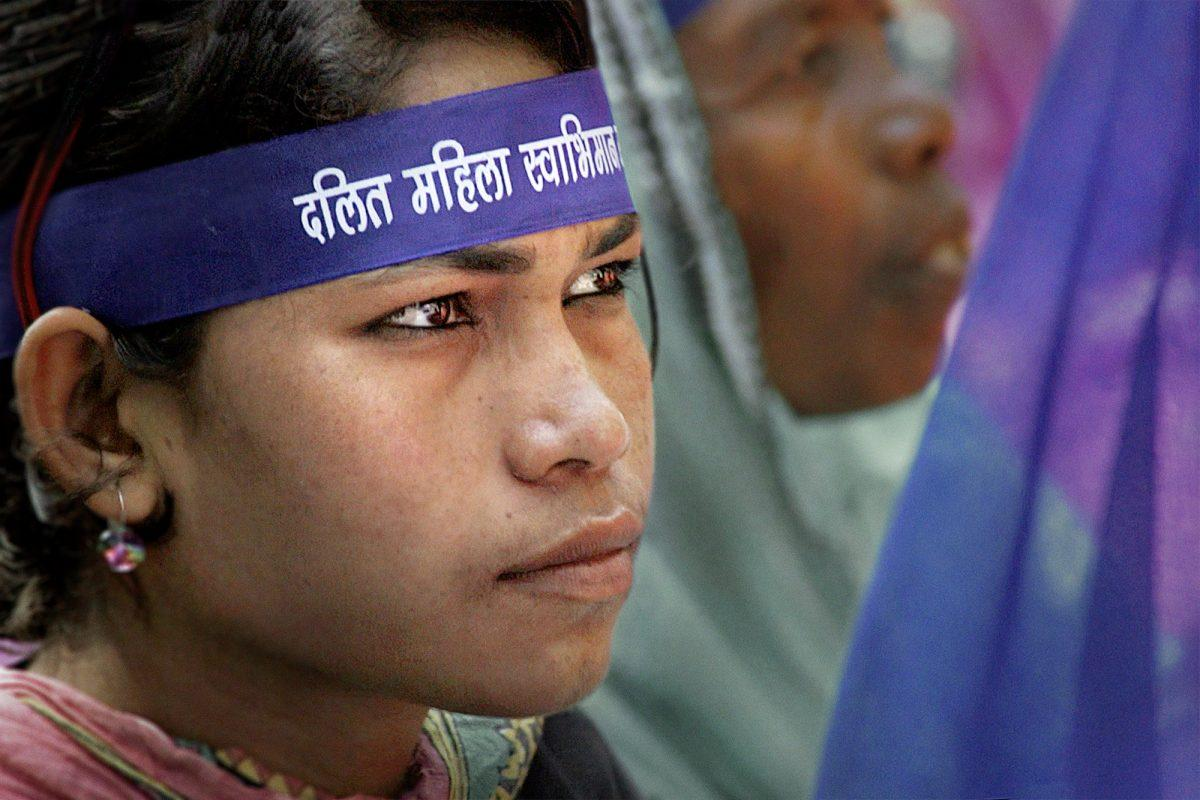
Research published in CASTE: A Global Journal on Social Exclusion found that everyday language surrounding dark and light skin in a Dalit community in Andhra Pradesh could reproduce caste distinctions. The study specifically examined how descriptions of dark skin could carry derogatory qualities when associated with Dalits, helping reinforce existing caste hierarchies.
That deserves to be called what it is: prejudice wearing the mask of aesthetics.
Caste Does Not Have a Skin Color
An important correction is necessary before going further.
India’s caste system is not literally a racial classification based upon complexion. Indians across caste groups possess an enormous range of skin tones, and a person’s complexion does not reliably reveal caste.
Research on Indian colorism likewise cautions against simplistic claims that skin preference originally derived directly from caste. India’s color hierarchy developed through a complicated mixture of caste, class, region, gender, economics, colonialism and beauty standards.
But stereotypes do not need to be scientifically true to become socially destructive.
The poisonous stereotype associating upper caste with lighter skin and lower caste, particularly Dalit identity, with darker skin has been documented by contemporary researchers. A 2025 ethnographic study in North India found precisely these associations among interviewees and argued that reactions to dark skin can reproduce ideas surrounding caste and status.
So the problem isn’t that caste can actually be determined by complexion.
The problem is that people may behave as though it can.
When Dark Skin Becomes a Social Insult
This is where colorism stops being merely cosmetic.
A 2024 study of caste and colorism found that statements directed toward Dalits such as expressing surprise that someone “doesn’t look Dalit” can carry an implicit assumption about what a Dalit person is supposed to look like. The researcher describes associations linking Dalit identity with darkness, dirtiness and unattractiveness as mechanisms through which caste can be reproduced in ordinary language.
Think about the cruelty buried inside that logic.
Darkness becomes associated with inferiority.
Fairness becomes associated with status.
Then those assumptions can be projected onto caste.
The hierarchy has migrated from an ancient social structure onto the human body itself.
Dark-Skinned Women Can Pay an Even Higher Price
The burden becomes particularly vicious for women.
Research on the Indian subcontinent has documented dark-skinned girls and women experiencing ridicule, family pressure surrounding complexion and discrimination connected with beauty and marriage expectations.
A 2024 study interviewing young women in rural Uttarakhand similarly found experiences involving stigma, bullying, social shame, reduced self-esteem and pressure surrounding skin lightening.
Another recent ethnographic study argues that colorism in North India has a specifically gendered dimension, with dark-skinned women experiencing forms of disgust and rejection connected simultaneously to ideals of femininity, caste and social status.
That means a dark-skinned Dalit woman can potentially stand at the intersection of multiple hierarchies: caste prejudice, sexism, class inequality and colorism.
And then society has the audacity to call it a “beauty preference.”
An Industry Profits From the Wound
Where prejudice creates insecurity, somebody eventually discovers a way to monetize it.
India’s enormous market for skin-lightening products didn’t invent colorism, but decades of advertising have helped turn lighter skin into a purchasable aspiration.
Recent business research conducted in Indian cities argues that skin-lightening businesses can exploit opportunities created by colorism, while consumers use the products to navigate discrimination. The researchers warn that this process can ultimately reinforce the very hierarchy creating demand for the products.
The sales pitch is ingenious in the darkest possible way:
Create or reinforce anxiety around natural skin.
Sell the supposed solution.
Profit from insecurity.
Repeat.
Colorism Must Be Challenged Alongside Casteism
India has produced extraordinary movements against caste oppression, including the intellectual and political tradition associated with B. R. Ambedkar and generations of Dalit activists.
Colorism deserves a place within that struggle.
That means challenging matrimonial preferences that casually rank people by complexion. It means confronting entertainment industries when dark skin becomes shorthand for poverty, ugliness or villainy. It means questioning families that praise lighter children while humiliating darker siblings. And it means recognizing casteist assumptions hiding beneath seemingly innocent comments about how somebody supposedly “looks.”
It also requires nuance.
Not every act of colorism is caste discrimination, and not every caste-based injustice involves complexion. One experimental study of hiring in India, for example, found no statistically significant preference for lighter-skinned applicants in its particular employment experiment.
That finding is worth acknowledging because fighting discrimination requires evidence, not exaggeration.
But the broader evidence that colorism exists and can intersect with caste and gender is substantial.
Melanin Is Not a Caste Mark
India cannot dismantle caste hierarchy while allowing another hierarchy to be painted directly onto people’s skin.
Dark skin is not evidence of intelligence, cleanliness, morality, caste, education, attractiveness or human worth.
It is melanin.
Nothing more.
The truly backward idea isn’t having dark skin. It is looking at another human being’s complexion and imagining that nature has somehow printed their social rank across their face.
Until that mentality is dragged into the light and rejected, colorism will remain one of the quieter ways old hierarchies continue whispering through modern India.
—Pratima Gadal, B1Daily






Leave a comment