—Kel McKnight, B1Daily
The gaming industry loves Black culture, Black audiences, and the enormous engagement Black content creators generate. But when those same creators begin raising concerns about racism, suddenly their voices seem considerably less valuable.
That is the controversy surrounding Marvel Rivals, the wildly popular superhero shooter developed by Chinese gaming giant NetEase. Black content creators and players have increasingly accused the company of failing to adequately address racial harassment, questionable representation, and unequal treatment within its gaming community.
And the accusations are no longer limited to angry social media posts. Some prominent Black creators have reportedly begun distancing themselves from the game altogether.
The question is no longer simply whether Marvel Rivals has a toxic player base. It is whether NetEase has done enough to protect the Black creators helping sustain its popularity.
Black Creators Are Speaking Out, but Is NetEase Listening?
Content creators are essential to the success of modern multiplayer games. They produce tutorials, livestream competitive matches, promote updates, and introduce thousands of potential customers to new characters and cosmetics.

Yet Black creators have described experiences involving racial harassment, discriminatory language, and frustration with the game’s moderation systems.
Community discussions in September highlighted creators who were reportedly stepping away from Marvel Rivals, including Quad, with players citing racism, griefing, and declining enjoyment of the game among the reasons discussed.
These accounts deserve serious attention. However, individual experiences and community allegations do not independently establish that NetEase intentionally discriminates against Black creators.
What they do establish is a growing crisis of confidence among a portion of the game’s audience.
Removing Hate-Speech Reporting? Seriously?
One of the most controversial developments involved reports that Marvel Rivals removed a dedicated hate-speech category from its in-game reporting system during Season 10.

Players reportedly had to use broader categories such as inappropriate language or toxic behavior when reporting racist abuse.
That change sparked understandable frustration. Racist harassment is not simply another unpleasant interaction between competitive gamers. It is targeted abuse that can discourage people from participating in gaming communities altogether.
Even if NetEase intended to simplify its reporting system, the company should explain how racist harassment is identified, investigated, and punished.
A company cannot expect players to trust its anti-harassment policies while leaving them uncertain about whether racial abuse receives appropriate attention.
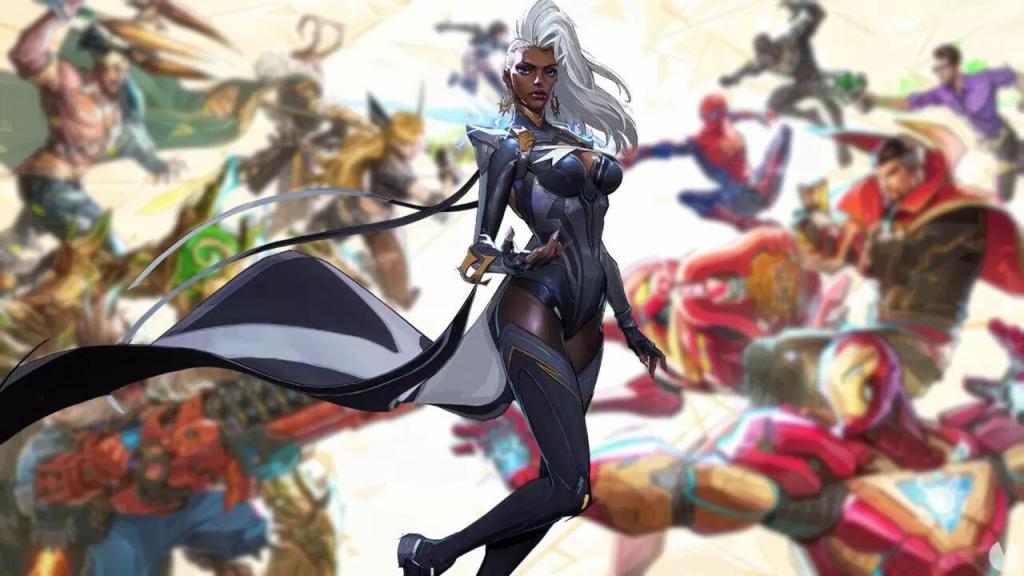
Storm, Black Panther, and the Representation Controversy
The criticism extends beyond player behavior.
Black fans have questioned the treatment of characters such as Storm, Black Panther, and Blade, arguing that they have not always received the same creative attention as other popular heroes.
In August, NetEase faced backlash when Storm’s swimsuit costume was initially classified as an Epic skin rather than a Legendary one. Following complaints, the company announced that the costume would receive a free upgrade with additional animations.
That response demonstrated something important: public criticism can influence the company’s decisions.
However, the controversy also exposed a broader perception among dissatisfied players that Black characters are too often overlooked when premium cosmetics and promotional attention are distributed.
Not every unpopular costume decision constitutes racism. But when complaints accumulate, developers have a responsibility to examine whether their creative and commercial decisions produce persistent disparities.
NetEase Needs More Than Corporate Public Relations
NetEase has every right to defend its employees against harassment and unreasonable personal attacks. Developers should not become targets simply because players dislike a cosmetic design or moderation decision.
But that principle works both ways.
Black content creators should not have to tolerate racial slurs, intimidation, or dismissive responses simply to participate in a game they enjoy.
The company could address these concerns by publishing clearer moderation standards, explaining its reporting procedures, investigating documented harassment complaints, and consulting Black creators about their experiences.
It should also provide meaningful information about enforcement rather than relying exclusively on broad statements about maintaining a positive community.
Black Gamers Deserve More Than a Seat in the Audience
The frustration surrounding Marvel Rivals reflects a larger problem in gaming. Companies enthusiastically celebrate diverse audiences while sometimes struggling to respond when those audiences demand accountability.
The allegations against NetEase should be investigated fairly, and claims of deliberate discrimination should not be presented as established fact without evidence.
But the experiences of Black creators should not be dismissed merely because a game is commercially successful or because other players have never encountered similar abuse.
Black content creators are good enough to promote the game, build its audience, and generate engagement. They should also be important enough to receive meaningful protection from racial harassment.
If NetEase wants Marvel Rivals to remain a welcoming global community, it needs to demonstrate that racial abuse is taken seriously, that moderation is applied consistently, and that Black players and creators are genuinely heard.
Because a superhero game that celebrates diversity in its fictional universe should be capable of respecting it in the real one.
—Kel McKnight, B1Daily


Leave a Reply