—Matt Gwinta, B1Daily
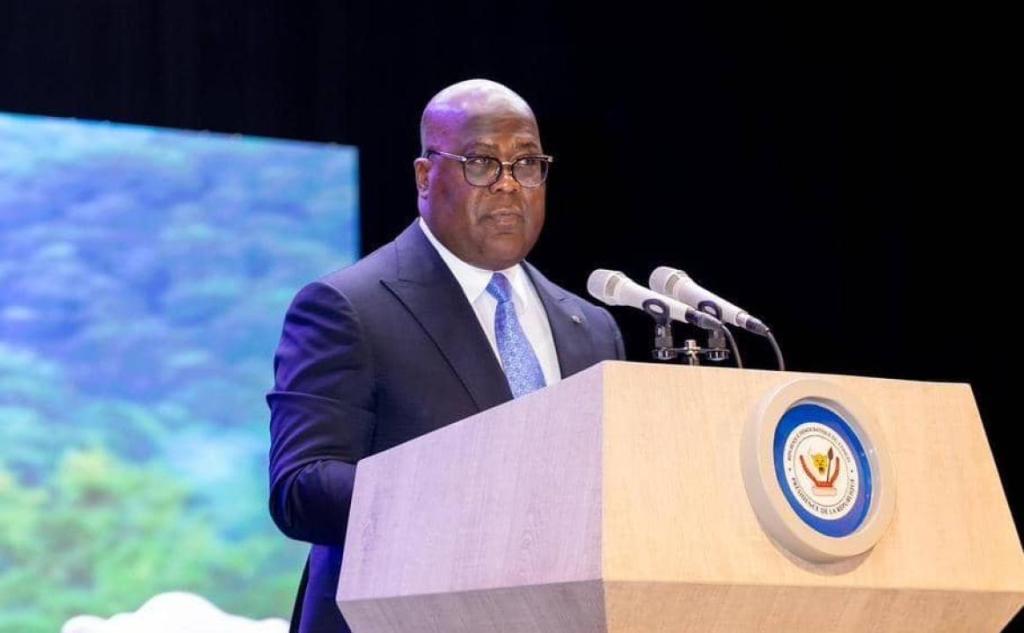
The Democratic Republic of the Congo is still more than two years away from its scheduled 2028 presidential election, but the political battle over who will govern afterward has already begun. At the center of the storm is President Félix Tshisekedi, constitutional reform and growing opposition fears that changes to the country’s political rules could create a pathway for him to remain in power.

Under the DRC’s current constitution, the president serves a five-year term that can be renewed only once, and the number and length of presidential terms are protected from constitutional revision. Tshisekedi’s second term is therefore scheduled to end in 2028. Yet in May, he said that although he had not sought a third term, he would accept one if the Congolese people wanted him to continue.
Those remarks landed like gasoline on an already smoldering constitutional debate.
The Referendum Fight
In June, parliament passed legislation establishing conditions for holding a referendum. The Constitutional Court subsequently found the law constitutional while expressing concerns about some provisions. Tshisekedi then asked parliament to reconsider the legislation, with the National Assembly expected to revisit it during its September session.
One provision has become particularly controversial. The legislation contemplates a constituent assembly followed by a referendum in circumstances involving a “major dysfunction” of state institutions. Opposition leaders fear that such a process could eventually be used to circumvent constitutional protections surrounding presidential term limits. Tshisekedi’s government portrays constitutional reform more broadly as an effort to improve dysfunctional institutions rather than simply extend his presidency.
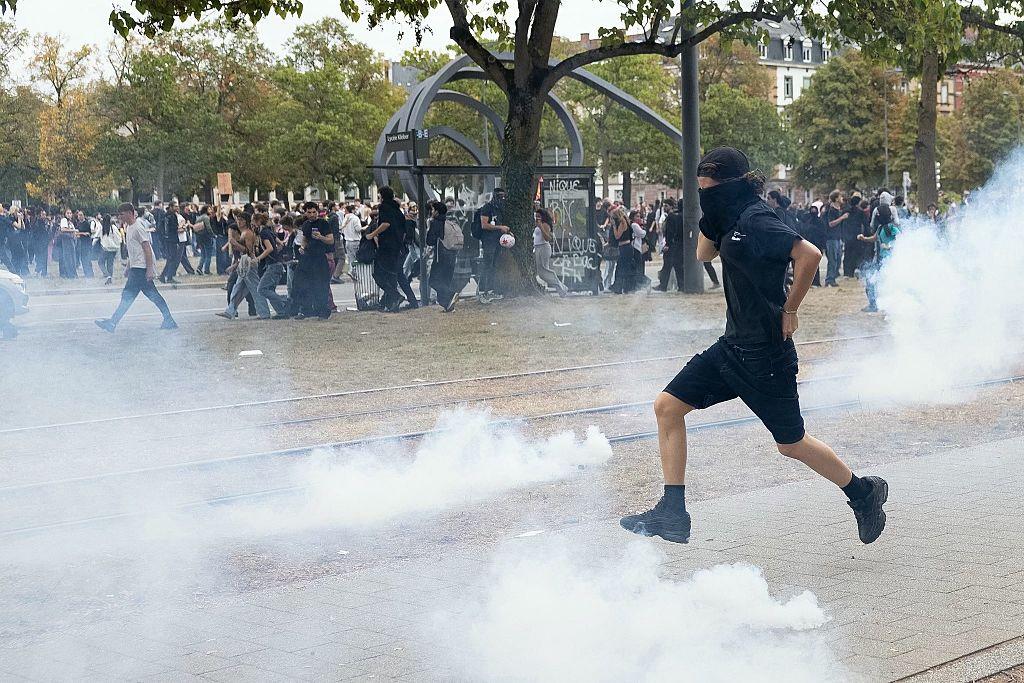
The opposition has responded by organizing around the C64 coalition, named after Article 64 of the constitution, which calls on citizens to oppose unconstitutional seizures of power. C64 has announced nationwide demonstrations for September 15, including a planned mobilisation around parliament in Kinshasa.
A Political Crisis Inside a Security Crisis
What makes this constitutional confrontation particularly dangerous is its timing.
The DRC is simultaneously fighting the M23-led rebellion in the east. M23 and the broader AFC coalition control significant territory, including Goma and Bukavu, while Kinshasa accuses Rwanda of supporting the rebellion, something Kigali denies.

Tshisekedi has also warned that continuing warfare could make holding credible elections difficult while portions of the country remain outside government control. That introduces another explosive possibility: even without a constitutional third-term amendment, insecurity could complicate the timetable for the 2028 election.
The situation is particularly sensitive because the government and the M23-led alliance only recently agreed to a new roadmap for peace negotiations, even as fighting continues.
Congo Cannot Afford Another Legitimacy Crisis
The fundamental issue extends beyond Tshisekedi himself.
Changing constitutional rules surrounding presidential succession while a sitting president approaches his term limit will inevitably generate suspicion, particularly in a country already struggling with armed rebellion, territorial fragmentation and political distrust.
Tshisekedi has proposed an inclusive national dialogue involving political parties, civil society and religious organizations. That dialogue could provide an opportunity to reduce tensions, but opposition figures are already disputing who should participate.
The DRC desperately needs functioning institutions and constitutional reform may legitimately deserve discussion. But reform must not become synonymous with changing the rules whenever they become inconvenient to those holding power.
The approaching 2028 election therefore represents more than another presidential contest.
It is becoming a test of whether Congo’s political system can manage a peaceful transfer of power while simultaneously fighting to preserve the territorial integrity of the country itself.
—Matt Gwinta, B1Daily


Leave a Reply