—Barrington Williams, B1Daily
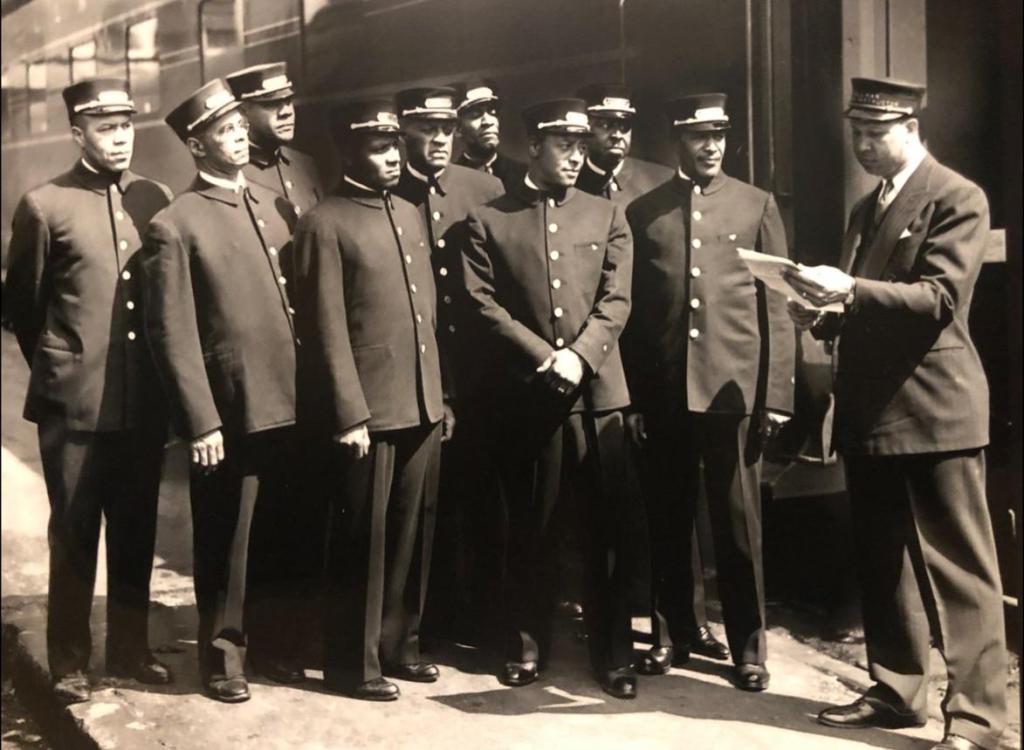
Long before corporate America seriously opened professional opportunities to Black workers, thousands of Black men found an unlikely pathway toward economic stability aboard America’s passenger trains. They were Pullman porters, and their influence reached far beyond carrying luggage and preparing sleeping berths.

The Pullman Company became the nation’s largest employer of African Americans, deliberately employing Black men, including formerly enslaved men and their descendants, as attendants on its luxury sleeping cars. Although porters faced racism, exhausting schedules and degrading treatment, the jobs generally offered better wages and social standing than many occupations available to Black men under segregation. The Smithsonian notes that Pullman porters occupied a coveted position within many Black communities.
Those paychecks mattered. At a time when discriminatory employers shut Black Americans out of numerous occupations, steady railroad employment allowed porter families to support households and contribute to churches, schools, businesses and civic organizations. The National Park Service credits African American railroad workers with helping build strong Black communities despite segregation and unequal employment conditions.
But the porters’ greatest economic victory came through organization.
In 1925, A. Philip Randolph helped establish the Brotherhood of Sleeping Car Porters (BSCP). After 12 years of resistance from the Pullman Company, the union secured a landmark contract in 1937 that brought higher wages, fewer monthly working hours, greater job security and grievance protections.

Those gains helped strengthen Black economic security at a moment when organized labor itself frequently excluded Black workers. The Library of Congress directly credits Pullman porter employment with contributing to the growth of America’s Black middle class.
The porters also carried something arguably as important as wages: information. Traveling throughout the country gave them exposure to different cities, people and political movements. Their respected positions helped turn railroad workers into important community figures, while the BSCP became a training ground for civil-rights leadership. Figures including E.D. Nixon and C.L. Dellums emerged from the movement.
The Pullman story therefore contains a remarkable contradiction. A company that benefited from racial discrimination inadvertently employed workers who would organize themselves, demand better compensation and help construct institutions that challenged that discrimination.
The Pullman porters did not merely help move America across the rails.
Their wages helped support Black families, their union helped strengthen Black labor power, and their organizing helped lay tracks toward both the Black middle class and the modern Civil Rights Movement.
—Barrington Williams, B1Daily






Leave a Reply