—Barrington Williams, B1Daily
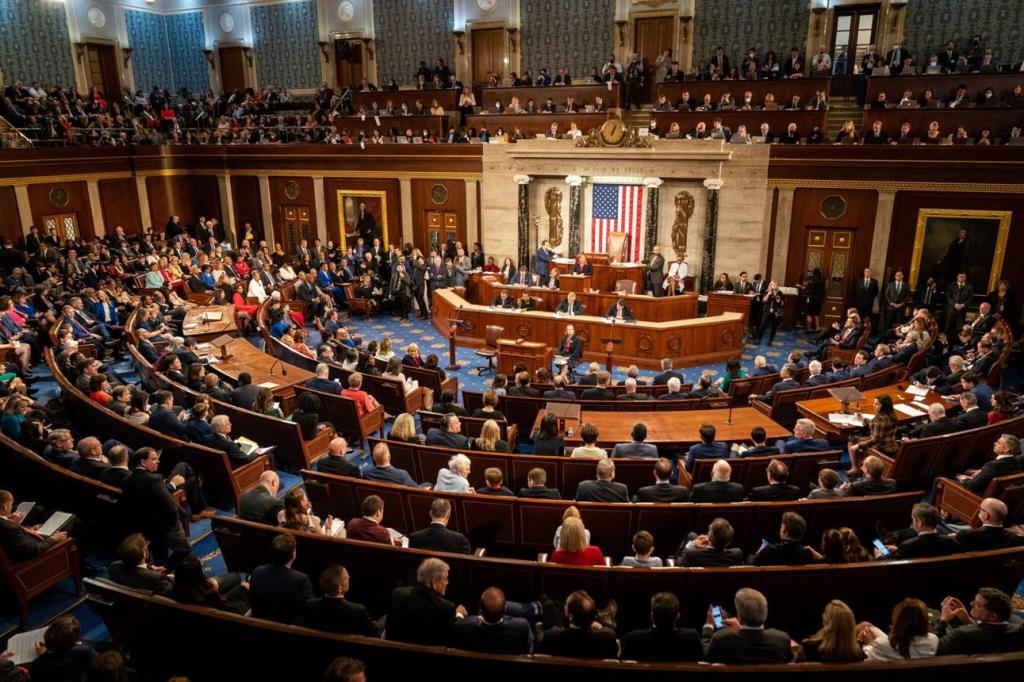
The American presidency was designed to be powerful, but not limitless. Yet administration after administration has demonstrated how easily presidential authority can expand while Congress watches from the sidelines. Executive orders, emergency declarations, military deployments and broad interpretations of old statutes have gradually made the White House the center of American political power.
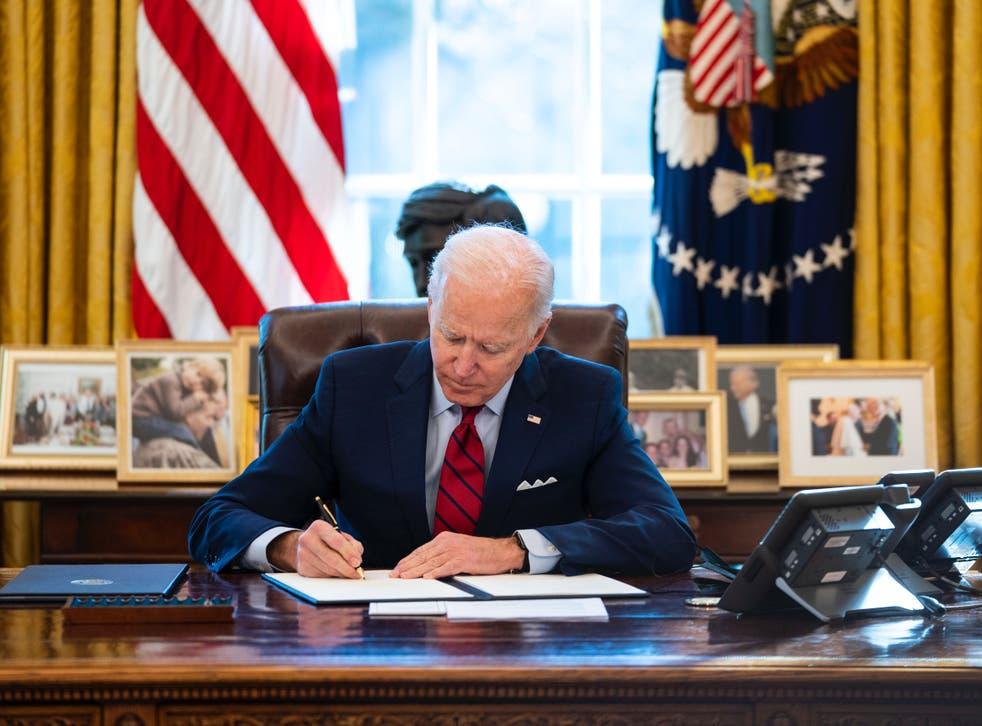
The uncomfortable truth is that Congress has helped create this problem.
The Constitution gives Congress formidable weapons. It controls federal spending, writes laws, regulates commerce, raises and supports the military, and possesses the power to declare war. The President is Commander in Chief, but Article I deliberately gives Congress substantial authority over both money and military policy.
Congress Delegated Power and Rarely Took It Back
Modern presidents did not accumulate every new authority through constitutional confrontation. Congress frequently handed presidents discretion through legislation and then became reluctant to reclaim it.
National security demonstrates the problem particularly well.
Presidents of both parties have deployed American forces abroad without formal declarations of war. Congress attempted to restrain that tendency with the War Powers Resolution of 1973, enacted over President Richard Nixon’s veto. The law requires presidential reporting and generally establishes a 60-day limit for unauthorized hostilities, with a possible 30-day extension for military necessity.
Yet presidents continued to assert substantial authority to use military force without prior congressional authorization after the law was enacted.
A restriction that Congress repeatedly hesitates to enforce eventually begins looking less like a wall and more like a speed bump.
The Power of the Purse Is Congress’s Greatest Weapon
Congress does not need to wait for the Supreme Court to rescue it.
The legislature possesses perhaps the most effective political weapon imaginable: money.
The Constitution prevents money from being drawn from the Treasury without appropriations established by law. Congressional control over appropriations supplements its other constitutional powers, including its authority over war.
If lawmakers genuinely believe a president is exercising authority Congress never intended to grant, they can restrict funding, rewrite statutes, impose expiration dates on delegated powers and conduct aggressive oversight.
The problem is political courage.
Members of Congress frequently complain about executive power when the opposing party controls the presidency, only to rediscover the virtues of presidential flexibility when their own party wins the White House.
That cycle has allowed executive authority to accumulate across administrations.
The Supreme Court Has Already Provided a Warning
The famous Youngstown steel-seizure case remains one of the clearest reminders that presidential power is not self-creating.
President Harry Truman attempted to seize steel mills during the Korean War, arguing that the action was necessary to protect national security. The Supreme Court rejected the seizure. The enduring framework associated with the case holds that presidential authority is strongest when Congress authorizes presidential action and weakest when a president acts contrary to Congress.
But that framework contains an important warning for legislators too: congressional silence can create a murky “zone of twilight” in which executive authority grows.
In other words, presidents fill political space that Congress leaves empty.
Congress Has to Want Its Job Back
Restoring the balance does not require destroying the presidency. America needs an executive capable of responding quickly to crises, administering federal law and commanding the armed forces.
What it does require is a Congress willing to legislate.
Lawmakers could place tighter expiration dates on emergency authorities, reconsider outdated delegations, strengthen reporting requirements, reclaim decisions over prolonged military operations and use appropriations to enforce statutory limits.
Most importantly, Congress would have to defend its institutional authority regardless of which political party occupies the White House.
That is the test lawmakers repeatedly fail.
The presidency keeps growing partly because presidents naturally seek flexibility and authority. Congress keeps shrinking because too many legislators have discovered that criticizing presidential decisions is politically easier than taking responsibility for making difficult decisions themselves.
The Constitution gave Congress enormous power.
The question is no longer whether Congress can take that power back. It is whether Congress actually wants it.
—Barrington Williams, B1Daily





Leave a Reply