—Jermichael Evers, B1Daily
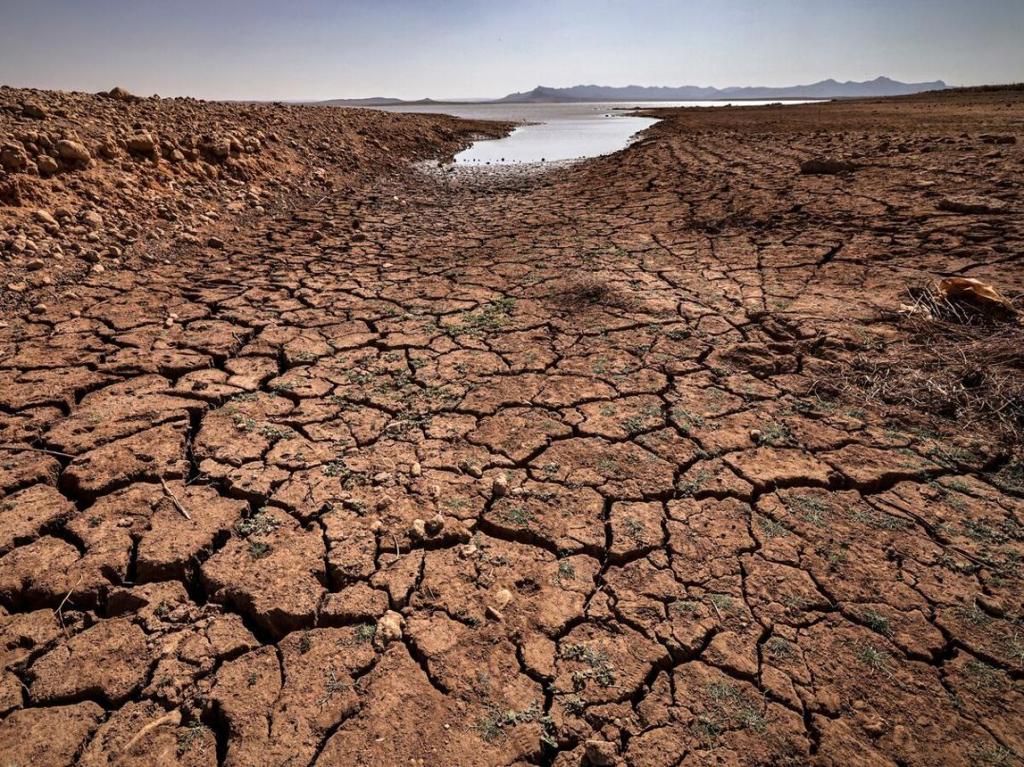
Water has always been essential to civilization, but in a hotter and more crowded world, it is increasingly becoming something else: a strategic resource capable of shaping economics, migration and international conflict. The wars of the future may not begin over oil or territory alone. They may begin with a river running dry.
The warning signs are already visible. According to the United Nations, 2.2 billion people lacked safely managed drinking water in 2024, while roughly half of the world’s population experiences severe water scarcity during at least part of the year. Climate change is intensifying the problem by disrupting rainfall, increasing droughts and chang

ing the availability of snow and glacier-fed water.
The geopolitical danger becomes especially clear when rivers and underground aquifers cross national borders. 153 UN member states share transboundary rivers, lakes or aquifers, meaning decisions made upstream can affect drinking water, agriculture and electricity production hundreds of miles away. Yet in 2023, only 43 countries had operational cooperation arrangements covering at least 90 percent of their transboundary basin areas.
Agriculture adds another layer of pressure. Roughly 70 percent or more of global freshwater withdrawals go toward agriculture, meaning a serious water shortage can quickly become a food shortage. When reservoirs shrink and rivers weaken, governments must decide whether limited water goes to cities, farms, industry or power generation.
That creates the ingredients for what could become the world’s next great resource struggle. Countries sharing rivers may fight politically over dams and water diversions. Farmers may compete with expanding cities. Wealthier communities may secure reliable supplies while poorer communities endure restrictions, contaminated water or soaring prices. Mass migration could place even greater pressure on regions already struggling with scarcity.

But water wars are not inevitable. Better irrigation, wastewater recycling, desalination where economically and environmentally practical, restoration of wetlands, stronger international water-sharing agreements and aggressive conservation could reduce the pressure. The UN emphasizes infrastructure investment, ecosystem protection and improved water-use efficiency as crucial responses to growing water stress.
Human civilization spent the twentieth century worrying about who controlled the world’s oil. The twenty-first century may increasingly be defined by who can protect, share and afford something far more fundamental: fresh water.
—Jermichael Evers, B1Daily





Leave a Reply