—Michael Lyles, B1Daily
The American home has traditionally been more than shelter. It has been one of the country’s most important engines of household wealth. But increasingly, some families looking for starter homes are competing with investors that see the same properties as income-producing financial assets.
Large institutional investors expanded aggressively after the 2007–2009 housing crash, buying foreclosed homes in bulk and converting them into rentals. By 2024, institutional investors owned between 1% and 3% of all single-family homes in six metropolitan areas studied by the Government Accountability Office. Their footprint was considerably larger within the rental market, reaching 22% of single-family rentals in Jacksonville.
National numbers, however, require perspective. Institutional investors are not buying every house in America. Large investors represent a relatively small share of the overall market, while smaller investors account for most investor-owned single-family rentals.
The political concern is concentration.
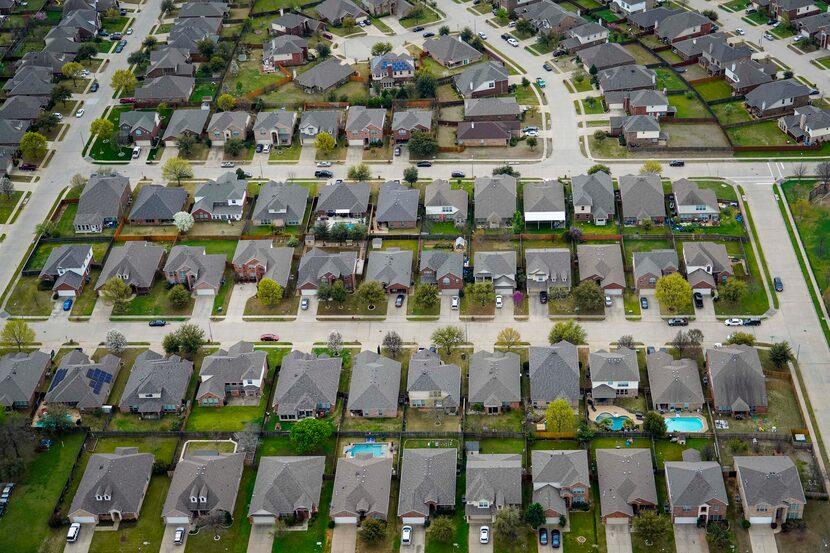
GAO previously found that investors owning more than 1,000 homes controlled an estimated 25% of Atlanta’s single-family rental market, 21% in Jacksonville and 18% in Charlotte as of 2022. When corporate ownership becomes heavily concentrated in particular neighborhoods, the national average can hide what prospective buyers experience locally.
Research also presents a complicated economic picture. GAO found studies suggesting institutional investors may have increased home prices and rents after the financial crisis, while also helping stabilize distressed neighborhoods. The agency cautioned that evidence about their effects on homeownership and tenants remains incomplete. Other recent economic research suggests institutional investment can increase nearby home values while expanding the supply of single-family rentals.
That creates the central policy dilemma. Corporate landlords provide rental houses for families who want suburban space but cannot or do not want to purchase a home. Yet every existing starter home converted permanently into an investment property is also one less opportunity for an owner-occupant to buy that particular house.
Congress has now entered the fight. In 2026, lawmakers passed housing legislation containing restrictions on institutional investors purchasing certain single-family homes, reflecting growing concern about corporate competition in the housing market.
The larger financial question is therefore not whether corporations should be prohibited from owning any houses. It is how much neighborhood ownership should be concentrated in investment portfolios before policymakers intervene.
Homeownership determines who captures appreciation, builds equity and passes property to the next generation. When residents own their neighborhoods, rising property values can create household wealth. When distant investors own increasing portions of them, more of that wealth flows outward as rent and investment returns.
America’s housing shortage has many causes, and corporate ownership is only one piece of the puzzle. But policymakers should pay close attention to markets where institutional ownership becomes highly concentrated.
Because eventually the question of who owns the neighborhood becomes a question of who gets to build wealth from it.
—Michael Lyles, B1Daily






Leave a Reply