—Michael Lyles, B1Daily
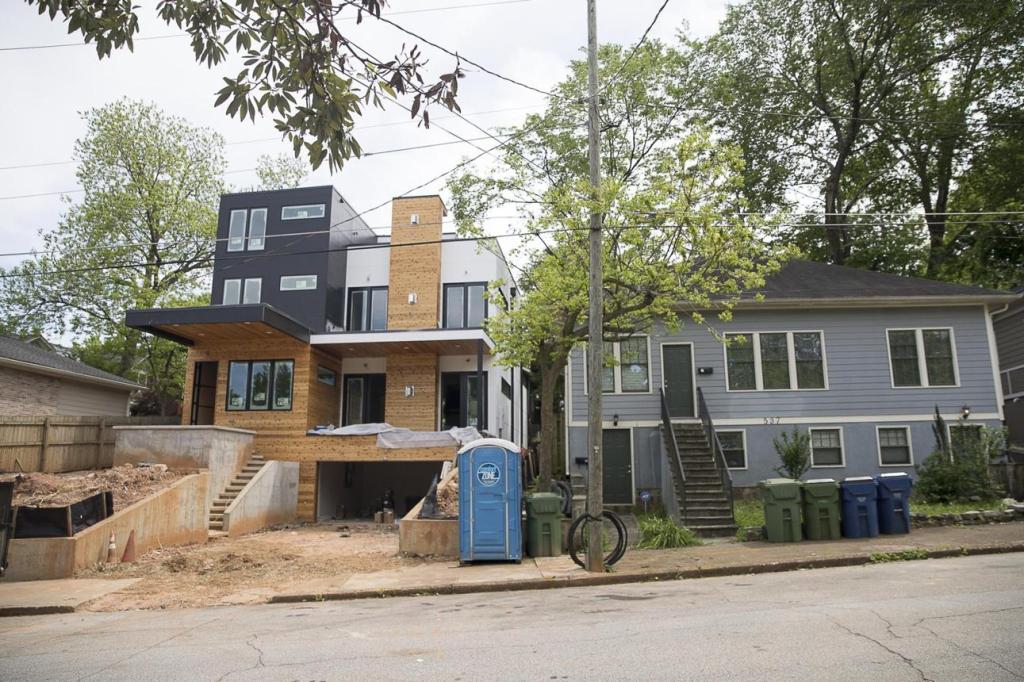
A neglected Black neighborhood can spend decades asking for grocery stores, safer streets, functioning infrastructure, business investment and access to capital. Then something strange happens: investment finally arrives, property values rise, new businesses open, and suddenly many of the people who survived the years of disinvestment can no longer afford to remain.
That raises a provocative question: When investment transforms a Black neighborhood while transferring more property and economic control to newcomers, is that simply gentrification, or something closer to economic colonization?
Investment Without Ownership
Gentrification itself is not automatically harmful. Neighborhoods need investment. Rising property values can create substantial wealth for Black homeowners who are able to remain.
The problem is who owns the appreciating assets.
A major 2025 National Community Reinvestment Coalition study examined five decades of neighborhood change. It identified 523 majority-Black neighborhoods that experienced gentrification between 1980 and 2020. Of those, 155 underwent full racial turnover, while 121 became racially mixed.
Researchers found 261,000 fewer Black residents living in gentrifying neighborhoods that had previously been majority-Black.
That is where revitalization can become something considerably less benign.
The Neighborhood Improves After Black Residents Leave
Many historically Black neighborhoods did not become inexpensive by accident.
Redlining, discriminatory lending, segregation and decades of disinvestment suppressed property values and limited access to mortgage and business capital. NCRC notes that these historical patterns helped create conditions that later made some neighborhoods attractive targets for gentrification.
Then the economic cycle can reverse.
Developers discover inexpensive property. Higher-income residents arrive. Restaurants and retailers follow. Property values increase. Landlords raise rents. Property taxes can increase for existing homeowners.
The neighborhood finally receives investment, but the original population may capture only a fraction of the resulting wealth.
Displacement Is More Complicated Than the Headlines
It would be inaccurate to claim every Black resident leaving a gentrifying neighborhood was forcibly displaced.
People move for many reasons, and researchers continue debating how displacement should be measured. A 2026 NCRC analysis estimated about 60,000 Black residents moved out of neighborhoods identified as gentrifying under its stronger-performing measurement methods between 1990 and 2020, while emphasizing that not every departure could be classified as involuntary.
But the broader racial transformation remains difficult to ignore.
The same research found Black populations declining in gentrifying areas while white populations, and in many places Hispanic populations, increased.
Development Without Displacement
Black neighborhoods should not have to choose between poverty and displacement.
The better model is investment that allows existing residents to participate financially in neighborhood improvement.
That means protecting homeowners from displacement, expanding access to mortgages, supporting Black-owned businesses, preserving affordable housing, encouraging community land trusts and creating pathways for residents to purchase commercial and residential property before prices explode.
The objective should not be stopping development.
It should be ensuring that the people who maintained neighborhoods during their least profitable years have an opportunity to own them during their most profitable ones.
Because if billions of dollars enter a Black neighborhood while the Black residents, businesses and property owners steadily disappear, calling the process “revitalization” tells only half the story.
A neighborhood has not truly been revitalized for its community if the community can no longer afford to live there.
—Michael Lyles, B1Daily


Leave a Reply